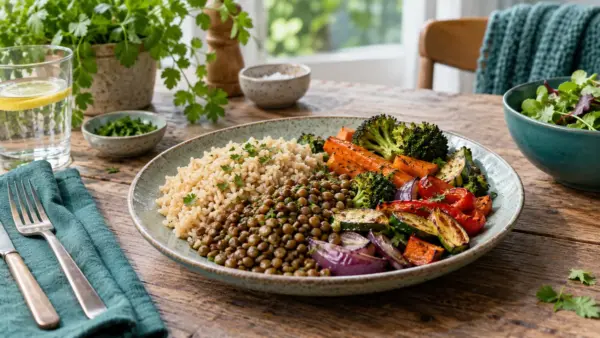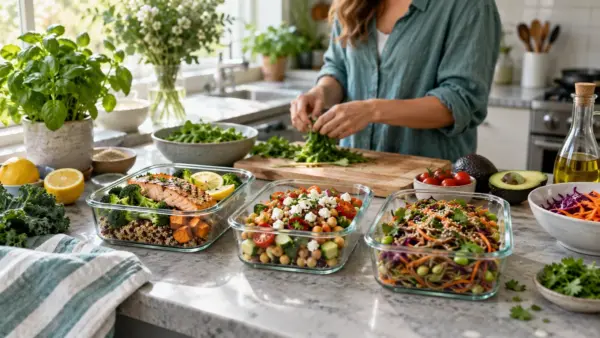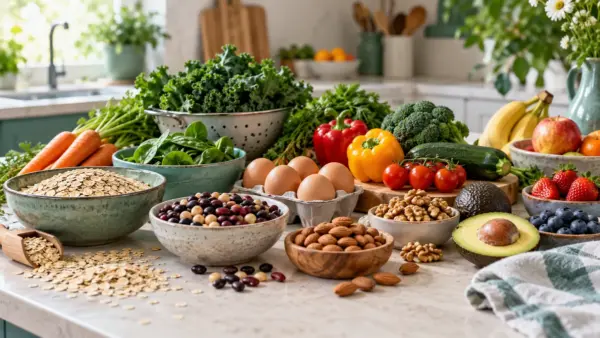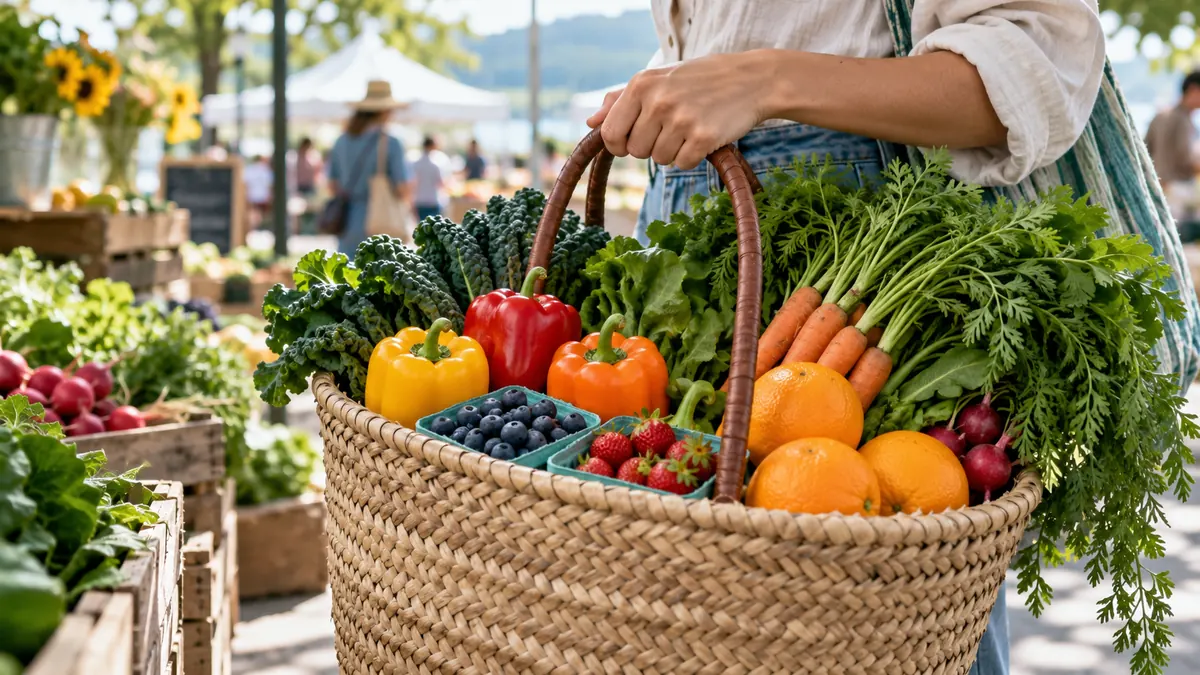

Colorful produce makes a meal visually appealing and can remind you to try different foods. Carrots, cabbage, tomatoes, berries, greens, and oranges bring different flavors, textures, and nutrients. You do not need every color at every meal, and color is not a complete nutrition system. Think of it as an easy invitation to variety.
Understand what variety contributes
Fruits and vegetables provide combinations of fiber, vitamins, minerals, and other plant compounds. The exact nutrients differ by food, variety, and preparation. A broad selection across time can help diversify what you eat, but no single fruit or vegetable supplies everything. Colorful eating works best as part of a varied overall pattern.
Avoid assigning a guaranteed health outcome to each color. A red vegetable does not function as a targeted treatment, and a purple smoothie does not detoxify your body. White and brown produce, including cauliflower, mushrooms, and potatoes, also have a place. Our healthy eating guide puts produce in the context of a complete eating pattern.
Start with a color you rarely buy
Look at your usual shopping basket and choose one additional item that you would actually like to try. If you regularly buy green beans and bananas, perhaps add carrots or purple cabbage. Buy a manageable quantity and decide how you will use it before leaving the store. Novelty is most useful when it leads to a meal.
Keep familiar foods in the plan so the change is not overwhelming. You might add shredded cabbage to a favorite taco, frozen berries to oatmeal, or grated carrot to a sandwich. This is easier than replacing an entire meal with something unfamiliar. The everyday foods article offers staples that pair well with different produce choices.
Use several forms of produce
Fresh, frozen, canned, and dried options can serve different purposes. Frozen vegetables are convenient for soups and stir-fries, while canned tomatoes create a quick sauce. Fruit that keeps well may suit infrequent shopping. Dried fruit can add flavor and texture, though its smaller volume means it differs from an equal-looking amount of fresh fruit.
Choose according to budget, storage space, and what you enjoy. Check labels on products with added sauces, salt, or sugars when those details matter to you. A frozen vegetable you use regularly is more practical than a fresh vegetable that repeatedly spoils. Variety should make eating easier, not produce a refrigerator full of obligations.
Change the preparation before giving up on a food
Texture can make a large difference. Someone who dislikes soft steamed carrots may enjoy them roasted or grated into a crunchy slaw. Cabbage can be crisp in a salad or tender in a skillet. Try a small amount prepared differently before deciding whether the food deserves a regular place in your kitchen.
Use flavor ingredients you already enjoy. Lemon, herbs, garlic, spices, a little oil, yogurt sauce, or a favorite dressing can make vegetables more appealing. There is no requirement to eat produce plain for it to count. Avoid turning food preparation into a test of how little flavor you can tolerate.
Add produce across the day
At breakfast, include fruit with oats or yogurt, or vegetables with eggs or tofu. At lunch, put cucumber and tomato in a sandwich or add frozen peas to a grain bowl. At dinner, roast an extra vegetable or include greens in a stew. Our breakfast ideas and easy lunches show how these additions fit familiar meals.
Snacks can offer another opportunity when you want one. Pair fruit with yogurt or a suitable nut or seed butter, or serve vegetables with hummus. Do not use produce to replace food you need to feel adequately fed. A snack should suit your appetite and preferences rather than simply satisfy a color goal.
Store food so it stays usable
Plan to use delicate items sooner and keep longer-lasting options for later in the week. Follow refrigeration instructions, especially for cut produce and ready-to-eat products. Wash produce under running water before preparing or eating it; FDA does not recommend soap or detergent. Use clean utensils and surfaces, and keep raw meat separate from ready-to-eat produce.
Products labeled prewashed or ready to eat generally do not require another wash; follow the package instructions. For produce you wash yourself, dry it with a clean towel when appropriate. Washing can reduce contamination but does not eliminate every risk. Food safety remains important even when the food looks fresh and appealing.
Keep the habit flexible
Some weeks may offer abundant choice; others may revolve around the same few affordable foods. You do not need to score your meals or count colors daily. Choose a practical addition, notice whether it gets eaten, and adjust your shopping. If you have medical dietary restrictions, use individualized advice rather than assuming more of every produce item is always appropriate.
A useful next step is to name one fruit or vegetable and one specific meal where you will use it. That small decision connects variety to action. Over time, a wider selection can become familiar without requiring an expensive shopping trip or a complete change in your cooking style.
Frequently Asked Questions
No. Color is a convenient reminder to vary foods over time, not a daily requirement or a complete measure of diet quality.
No. Color alone does not rank nutritional value. Foods such as cauliflower, onions, and mushrooms can contribute to a varied eating pattern.
Yes. Raw and cooked produce can both fit. Choose preparation methods you enjoy and use variety rather than assuming one form is always superior.