
Meal planning works when it reduces decisions you would otherwise make while tired or hungry. It does not need to predict every meal or require a refrigerator full of identical containers. A small plan can answer three useful questions: what food do I already have, when will I cook, and what will I eat when the day changes?
Look at the week before choosing recipes
Mark evenings with late work, appointments, travel, or other commitments. These are usually poor places for unfamiliar recipes with long preparation times. Put quick meals, safely stored leftovers, or planned takeout in those spaces. Save more involved cooking for a day when you actually want and have time to do it.
Count the meals you need at home. If you have two dinners out and usually eat leftovers for lunch, you may need fewer recipes than a seven-day menu suggests. Planning too much can create waste and make the system feel like an obligation. Start with three dinners and a few reliable breakfast and lunch options.
Check what needs using first
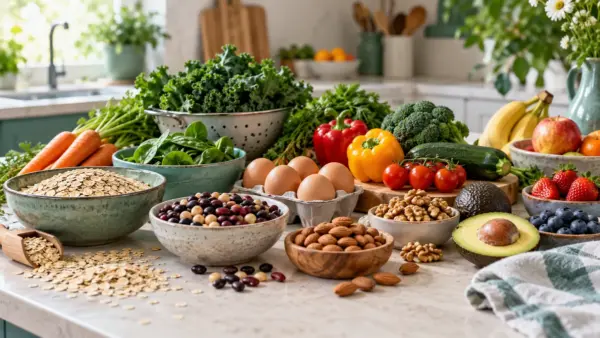
Look in the refrigerator, freezer, and pantry for ingredients you already own. Note the produce that needs attention, the open package of tortillas, and the container you froze last week. USDA’s meal-planning guidance encourages using available food and considering foods your household enjoys. Let those ingredients shape the first meals on your list.
Do not use smell alone to judge whether perishable leftovers are safe. Check storage time and conditions. Label containers with dates so you are not trying to reconstruct the week from memory. Food that has been stored unsafely should not become a creative cooking challenge simply because you want to avoid waste.
Choose meals that share ingredients
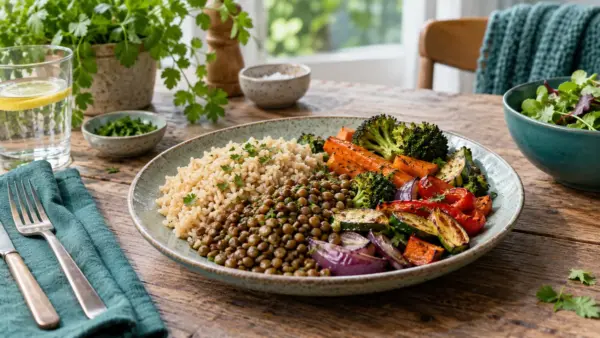
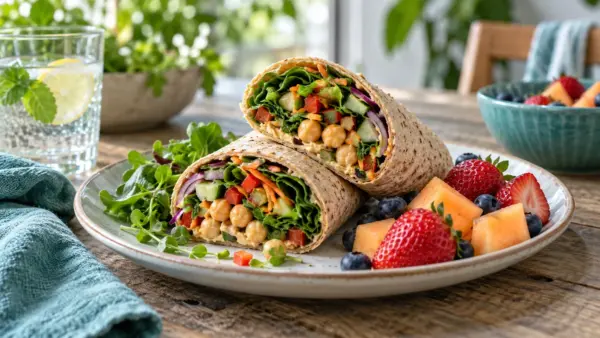
Pick a few flexible ingredients with different uses. A tray of roasted vegetables might become a dinner side, a wrap filling, and part of a grain bowl. Cooked beans could go into tacos one night and soup another. Reusing ingredients is different from requiring everyone to eat the same assembled dish repeatedly.
For example, buy cabbage, carrots, rice, beans, eggs or tofu, and a few sauces you enjoy. One meal could be a rice bowl, another a vegetable and egg skillet, and another a bean wrap with crunchy cabbage. Our easy dinner ideas offer additional combinations that can share shopping-list items without tasting identical.
Write a list that reflects real quantities
Add only the ingredients you need to complete the planned meals, then include everyday staples such as breakfast foods and snacks. Check package sizes and what you can store. A large bargain purchase is less useful if you cannot use or freeze it safely. Choose quantities according to your household and appetite.
Group the list by store area if that makes shopping easier. Keep one flexible substitute beside an ingredient that is often unavailable or expensive. Frozen spinach might replace fresh greens in a cooked dish, while lentils might replace another bean. Our everyday food staples guide can help you build a practical substitution list.
Prepare components with a clear purpose
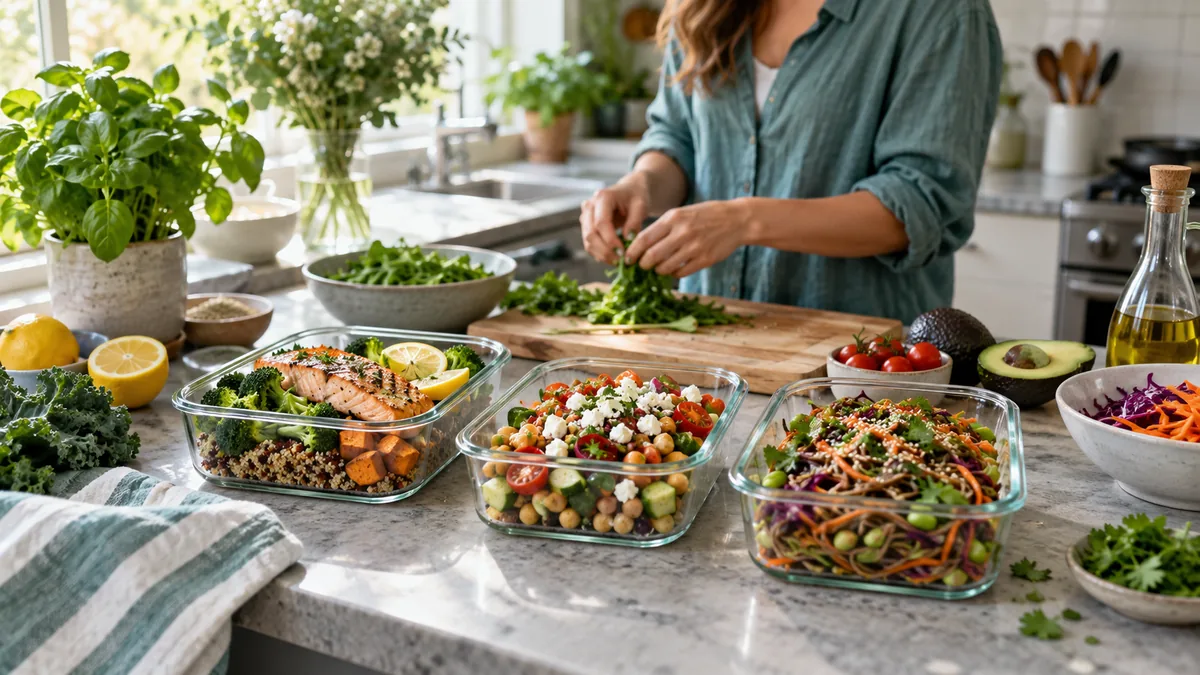
Before chopping a mountain of vegetables, decide which task will help most. Washing fruit, cooking one grain, mixing a sauce, or portioning a soup may remove a real weekday obstacle. You do not need to prepare everything. Keep crisp ingredients separate from wet ones when texture matters, and label prepared components clearly.
A short session could include cooking rice for dinner, portioning extra into shallow containers, and washing produce for tomorrow. Another week, simply stocking a few no-cook foods may be enough. The lunch ideas guide includes assembled meals that need less advance cooking, which can make the overall plan less demanding.
Plan storage as part of cooking
USDA advises refrigerating perishable leftovers within two hours, or within one hour when conditions exceed 90°F. Divide large batches into shallow containers for faster cooling rather than leaving a large pot out. Keep the refrigerator at 40°F or below, and use refrigerated leftovers within three to four days or freeze them.
Schedule later-week meals accordingly. Food cooked Sunday should not automatically be assigned to Friday without appropriate freezing. Reheat leftovers to 165°F, using a food thermometer. Planning around safe storage is more useful than trying to produce an entire week’s refrigerated meals in one session and hoping they remain acceptable.
Keep two backup meals available
A backup meal should be genuinely easy with ingredients you tend to have. Examples include beans on toast with fruit, pasta with canned tomatoes and frozen vegetables, or a baked potato with a suitable filling. It can also be a purchased meal you enjoy. The backup’s job is to help you eat when the original plan no longer fits.
At the end of the week, notice what remained unused and which meal was easiest to prepare. Repeat what worked and remove what did not. For mornings, keep a small rotation from our breakfast ideas. A meal plan becomes more useful as it reflects your household’s real preferences instead of an imagined ideal week.
Frequently Asked Questions
Try a few dinners plus reliable breakfast and lunch options. Expand only if the system helps; a complete seven-day menu is not necessary.
Yes. Include restaurant meals or takeout when they fit your schedule and resources. Planning should describe how you actually eat, not exclude useful options.
Prepare versatile ingredients instead of complete repeated meals. You can also cook smaller quantities or freeze suitable portions for a later week.