
Breakfast becomes easier when you have a few dependable choices instead of searching for a new recipe every morning. A useful meal can be quick, savory, sweet, cooked, or assembled from leftovers. These twelve ideas combine familiar ingredients in different ways so you can choose what fits your appetite, equipment, and available time.
Use a simple starting formula
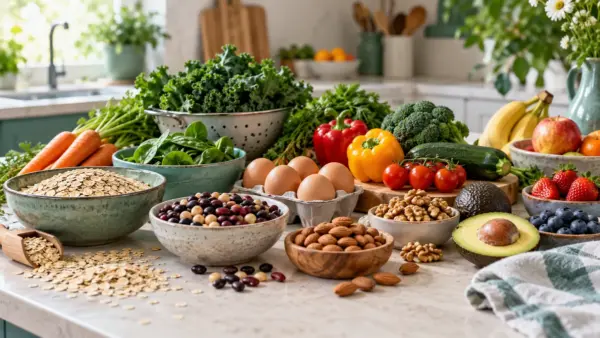
Begin with something substantial, such as oats, bread, potatoes, or another grain. Add a protein-containing food and fruit or vegetables when practical. This is a flexible meal-building idea, not a rule that every breakfast must follow. Our balanced plate guide explains how to adapt food groups to the meals you already enjoy.
1. Overnight oats with fruit
Mix rolled oats with milk or a suitable fortified alternative, cover, and refrigerate overnight. In the morning, add banana slices, berries, or chopped apple. Stir in nut or seed butter if you like. Adjust the liquid until the texture suits you; the breakfast should be pleasant enough that you want to make it again.
2. Warm peanut butter oatmeal
Cook oats according to the package, then stir in peanut butter or an allergy-appropriate alternative. Add sliced pear and cinnamon for sweetness and texture. If the oats become too thick, loosen them with a little milk or water. Keep a microwave-safe bowl large enough to reduce the chance of boiling over.
3. Yogurt, fruit, and a crunchy topping
Spoon yogurt into a bowl and add fruit, oats, or a cereal you enjoy. Sprinkle on nuts or seeds if suitable for you. Dairy-free yogurts differ in protein and fortification, so compare labels if you rely on them regularly. Keep the crunchy ingredients separate until eating if preparing the meal ahead.
4. Egg and tomato toast
Cook an egg thoroughly and serve it on toast with sliced tomato or leftover cooked vegetables. Add pepper, herbs, or a favorite sauce. If you prefer a plant-based option, use scrambled tofu. One pan can prepare enough filling for another meal, provided leftovers are cooled and stored safely.
5. A bean breakfast wrap
Warm cooked beans with a little cumin or another preferred seasoning. Add them to a tortilla with scrambled egg or tofu and chopped vegetables. Fold securely and eat at home, or refrigerate promptly if preparing ahead. Use a mild filling if strong flavors do not appeal first thing in the morning.
6. Cottage cheese with fruit and toast
Pair cottage cheese with peaches, pineapple, or another fruit, then add toast or crackers. For a savory version, use cucumber, tomato, and herbs instead. This option needs little preparation and lets you keep ingredients separate. Choose a different protein food if cottage cheese does not suit your taste or dietary needs.
7. A breakfast snack plate
Arrange whole-grain crackers or bread, a cooked egg or hummus, and fruit or vegetables on a plate. Add cheese or nuts if desired and appropriate. This is useful when you want variety but do not want to cook. It can also help family members choose different combinations from the same ingredients.
8. Savory oats with vegetables
Cook oats in water or a suitable broth and stir in cooked spinach, peas, or mushrooms. Top with an egg, beans, or tofu. Finish with herbs or a little cheese. Treat the oats like another grain rather than assuming they must be sweet; the same bowl can become a quick lunch.
9. Nut butter and banana toast
Spread peanut, almond, or seed butter on toast and add banana slices. Serve with milk, a suitable alternative, or yogurt if you want more alongside it. The basic combination is portable and uses ingredients that are easy to keep available. Check school or workplace allergy rules before packing nut products.
10. A smoothie with something to chew
Blend fruit with yogurt or a protein-containing milk option, adding oats if you enjoy the texture. Serve with toast or another food if the drink alone does not satisfy you. A smoothie is one breakfast option, not a detox. Avoid assuming that a large collection of powders makes it more useful.
11. Leftover rice breakfast bowl
Reheat safely stored rice and vegetables until thoroughly hot, then add beans, tofu, or a freshly cooked egg. Use a favorite sauce to make the bowl appealing. Cooked rice requires prompt refrigeration just like other perishable leftovers. Do not leave it on the counter overnight for the next morning.
12. A familiar dinner, served again
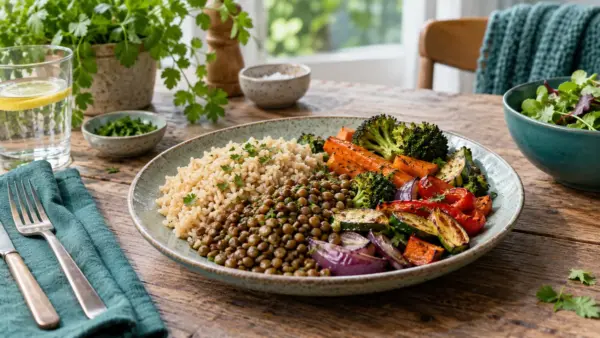
Soup, lentils with bread, or a leftover potato and vegetable dish can work at breakfast. There is no requirement to eat foods marketed for mornings. Our simple dinner ideas can provide options that carry over comfortably. Choose portions according to your appetite rather than copying a standard breakfast image.
Prepare only what makes mornings easier
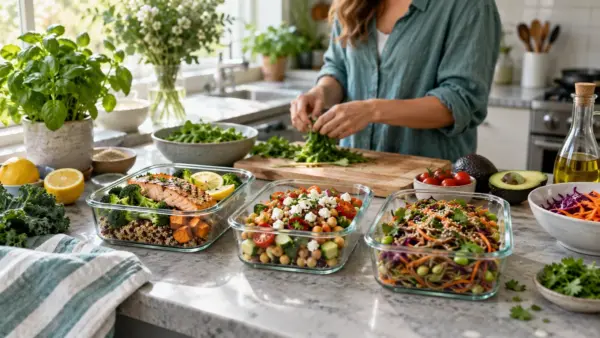
Set out a bowl, wash fruit, or portion dry oats the evening before. Refrigerate perishable ingredients, and keep cooked leftovers within USDA’s recommended refrigerated storage period of three to four days. Freeze extra portions when appropriate. The meal planning guide can help you schedule preparation without turning Sunday into an all-day cooking project.
Frequently Asked Questions
Breakfast timing can vary with your appetite, schedule, and health needs. If medication or a medical condition affects meal timing, follow individualized advice.
Absolutely. Beans, eggs, tofu, vegetables, and leftover mixed dishes can all be breakfast foods. Choose flavors that make the meal appealing to you.
Keep one no-cook option ready, such as yogurt with fruit and oats or nut butter toast. A small selection of reliable ingredients reduces morning decisions.