
Drinking enough fluid is easier when it fits naturally into your day. A glass with breakfast, water within reach at work, and a refill before leaving home can be more useful than an ambitious target you rarely remember. Hydration needs vary, so the aim is a practical routine that responds to your circumstances rather than a universal bottle count.
Understand what contributes to hydration
Water supports normal body functions, including temperature regulation and the movement of waste out of the body. Plain water is a convenient option, but other beverages and water-containing foods also contribute to fluid intake. Soup, milk, fruit, and vegetables can be part of the picture. You do not need to count every drop from every food.
CDC notes that fluid needs vary with factors such as age, activity, pregnancy, and breastfeeding. Heat and illness can also change needs. This is why a single instruction to drink a fixed number of glasses cannot suit everyone. If you have a prescribed fluid limit or a condition affecting fluid balance, follow your clinician’s guidance.
Notice the moments when drinking gets overlooked
Think about when a drink would be useful but is often missing. Perhaps you leave home without water, forget during concentrated work, or avoid refilling a bottle because the kitchen is inconvenient. Choose one of these moments to improve. A small change to access can help more than another reminder to be disciplined.
For example, fill a glass when you prepare breakfast, put a bottle beside the materials you use for work, or refill before an afternoon errand. Use a container you can clean and open comfortably. The ideal bottle is the one that fits your routine, not necessarily the largest or most elaborate one available.
Make drinks appealing without making them complicated
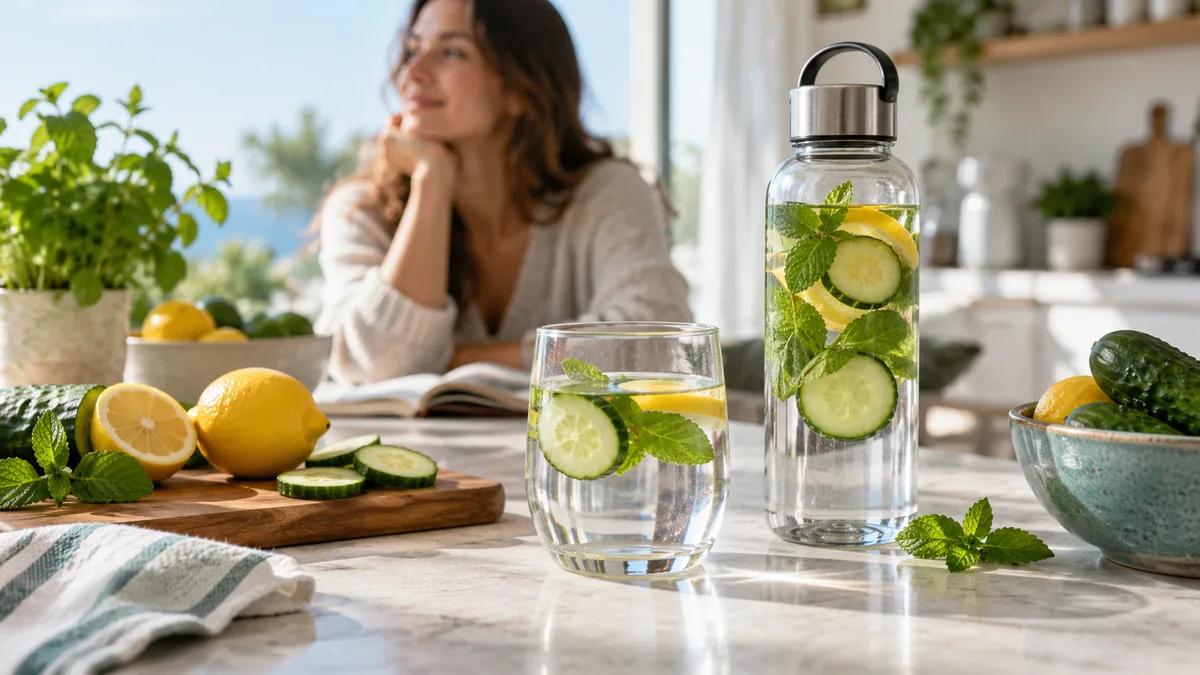
Try water at a temperature you enjoy. Add a slice of lemon, lime, cucumber, or another preferred ingredient if that makes it more appealing. Unsweetened sparkling water can provide variety. Keep infused drinks refrigerated when they contain cut produce and clean containers regularly according to their design and care instructions.
Tea, coffee, milk, and suitable alternatives can contribute fluids too. Consider caffeine, added sugars, and other ingredients in the context of your needs. Large amounts of caffeinated drinks may affect sleep or make some people feel uncomfortable. If a beverage is mostly a source of enjoyment, it can still be considered honestly rather than given a health halo.
Use meals as reliable cues
Serve a drink with meals and keep it accessible while eating. This creates repeated opportunities without requiring constant alarms. If you work away from home, check where safe drinking water is available and bring a refillable container when appropriate. Planning access matters, especially during travel or long days with limited breaks.
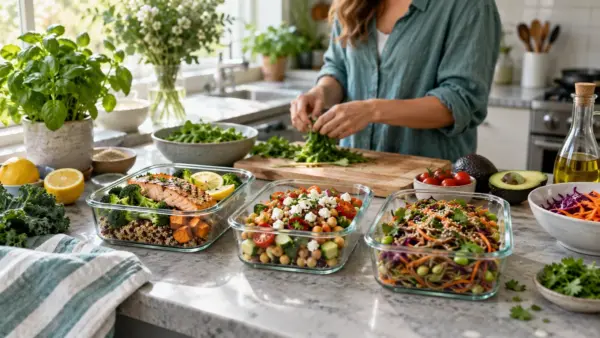
Food can support the routine as well. Fruit alongside breakfast, soup at lunch, and vegetables at dinner contribute water while providing other nutrients. Our produce guide and lunch ideas show practical combinations. They are additions to an overall eating pattern, not a reason to replace beverages with only water-rich foods.
Prepare differently for heat and exercise
Before an outdoor outing, check the conditions, expected duration, and availability of water. Bring a suitable amount and know where you can refill. For a short, comfortable walk, ordinary water and regular meals may be sufficient; prolonged, intense, or very sweaty activity may need a more individualized hydration and fueling plan.
Heat management involves more than drinking. Choose cooler times, reduce effort, take breaks, and find shade or a cooled environment when needed. Our outdoor exercise guide discusses conditions that should change the plan. Do not use a water bottle as reassurance that a strenuous session in dangerous heat has become safe.
Respond to thirst without forcing excessive intake
Thirst can be a useful cue for many adults, while regular opportunities to drink help when you are distracted. Some people, including older adults or people with certain conditions, may need more deliberate planning. Pay attention to your own patterns and any professional guidance rather than comparing your intake with someone else’s social media challenge.
Avoid forcing large volumes of water quickly. More is not always better, and excessive intake can be harmful. Urine color may offer a rough clue in some circumstances, but medications, supplements, and foods can change it. It is not a precise hydration test or a reason to chase completely clear urine all day.
Know when routine tips are not enough
Persistent dizziness, very little urine, inability to keep fluids down, or other concerning symptoms need medical advice. Confusion, collapse, or suspected heat stroke requires urgent help. These situations are different from simply forgetting your afternoon glass. If vomiting or diarrhea is ongoing, ask a professional about appropriate fluids and when to seek care.
Choose one practical adjustment for tomorrow: a drink with breakfast, a refill before a walk, or a better way to carry water. Connect it to an existing habit such as your morning movement routine. A useful hydration plan should be easy to remember and flexible enough to change with the day.
Frequently Asked Questions
No single amount fits everyone. Total fluid needs vary, and beverages and water-containing foods both contribute. Follow individualized advice if you have medical restrictions.
They are not automatically necessary. The duration, intensity, heat, sweat losses, and your health needs determine whether an exercise-specific plan is useful.
Yes. Avoid forcing excessive amounts, especially quickly. Seek individualized advice when prolonged exercise, medical conditions, or medication use makes fluid planning more complex.