
Moving outdoors can make a familiar activity feel different. A walk becomes a chance to notice changing light, a park visit creates space for a conversation, and a short outing offers a break from the room where you work. These experiences can be refreshing, but outdoor exercise does not need to promise a dramatic mental transformation to be worthwhile.
Choose a setting that supports the activity
Begin with a place you can reach easily and use comfortably. A neighborhood sidewalk, accessible park path, courtyard, or public recreation area may work. Check the surface, seating, shade, lighting, restrooms, and crossings. A scenic route loses its appeal if getting there consumes your available time or the terrain does not suit your mobility.
Visit an unfamiliar location briefly before planning a longer workout. Look for posted opening hours and rules, and notice whether the space feels comfortable at the time you expect to use it. Keep a second location in mind in case the first is crowded or closed. Simple preparation makes an outdoor plan easier to repeat.
Start with an activity you already understand
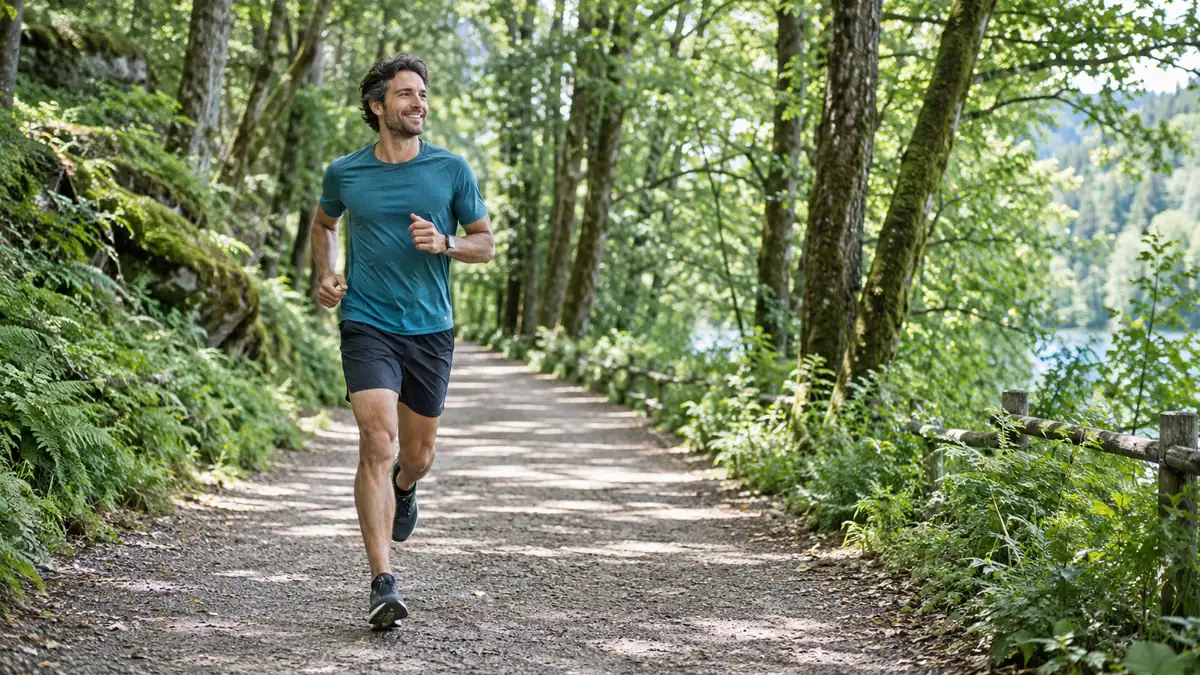
Walking is an approachable option because you can control the route and turn around when needed. Try a short loop and adjust the pace according to your ability. If you want more structure, our walking guide explains how to build time and effort gradually. You do not need to add hills immediately just because they are available.
Other possibilities include a gentle cycle on a suitable route, an accessible outdoor class, or a casual game with friends. Choose equipment and protective gear appropriate to the activity. A helmet matters for cycling, while comfortable footing matters for a walking route. Match the activity to your experience rather than treating every outing as an adventure challenge.
Give attention something pleasant to notice
You might listen for birds, notice the shape of trees, or observe how the same route changes across the week. This is an optional way to enjoy the setting, not a performance task. Keep enough attention on your footing, traffic, and other people. If a route requires concentration, let safety take priority over a relaxation exercise.
For a social outing, agree on pace and distance before starting. A conversation walk works better when everyone can participate comfortably. Use an out-and-back route or a meeting point that allows different distances. If someone wants a harder workout, plan that separately rather than pressuring the whole group to keep up.
Let weather change the plan
Check the forecast and local heat guidance before leaving. During hot conditions, choose a cooler part of the day, shorten the session, reduce effort, and use shade where possible. Carry suitable fluids and know where you can cool down. Our hydration guide offers practical ways to plan ahead without relying on a universal bottle count.
Stop activity if you become dizzy, weak, nauseated, or otherwise unwell in the heat, and move to a cool place. Confusion, collapse, or suspected heat stroke requires emergency help. People taking certain medications or living with some health conditions may be more vulnerable to heat and should follow individualized advice.
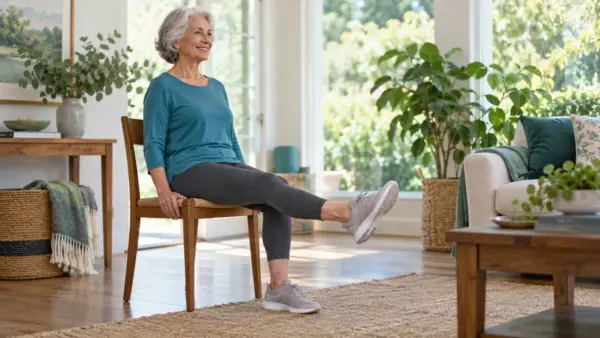
Cold, rain, and wind also affect comfort and footing. Dress for conditions and avoid slippery paths. Do not continue outdoors during lightning or other dangerous weather. An indoor home workout is a useful backup because consistency should not require ignoring a forecast or forcing a route that has become unsafe.
Check the air as well as the sky
A clear-looking day does not always mean good air quality. AirNow’s Air Quality Index guidance explains pollution categories and who may need to modify outdoor activity. Check the local forecast and follow the advice relevant to your health and planned effort, especially during wildfire smoke or pollution events.
If air quality is poor, changing the time, location, duration, or intensity may be appropriate, and some days are better spent exercising indoors in cleaner air. People with heart or lung conditions may need more specific guidance. Do not assume that choosing a park automatically removes the effects of regional pollution.
Pack for the outing you actually planned
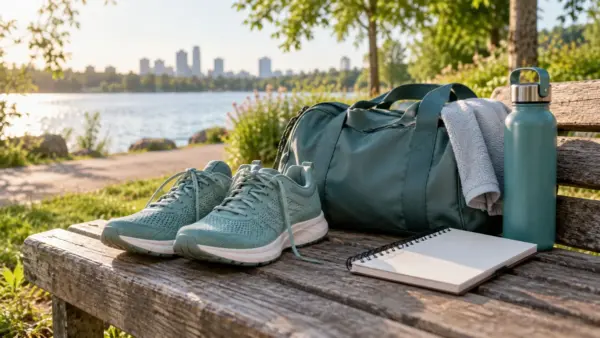
For a short familiar walk, comfortable shoes, weather-appropriate clothing, and any needed personal items may be enough. Longer or remote outings require more preparation, including navigation, water, communication, and a return plan. Tell someone your route when appropriate. Avoid escalating a simple fitness habit into a trip you are not equipped to manage.
Finish by considering whether the outing was enjoyable and practical. Was the route accessible? Did the timing work? Would a shorter distance feel better next time? Add the successful version to your weekly exercise plan. A small, repeatable outdoor session can provide a useful change of setting without requiring perfect weather or an elaborate itinerary.
Frequently Asked Questions
No. The better setting depends on access, conditions, preference, and safety. Indoor exercise may be more comfortable or reliable on many days.
Yes. A brief outing can create time for movement and a change of scenery. Its value does not depend on traveling far or completing a strenuous session.
Use a safe accessible route or outdoor area available to you. Trees and trails are pleasant options, but they are not prerequisites for moving outside.