
Food conversations often divide the grocery store into whole foods and processed foods. The distinction sounds simple, but processing includes many different activities. Washing, cutting, freezing, canning, fermenting, and combining ingredients all change food. Understanding those differences can help you make useful choices without assuming every packaged item belongs in the same nutritional category.
Start with what processing actually means
A whole or minimally processed food is usually close to its original form, although it may be washed, cut, chilled, dried, or frozen. An apple, plain oats, and frozen peas are familiar examples. Processing can also make food safer, preserve it, or reduce preparation time. Pasteurization and refrigeration are not nutritional defects.
Other products combine foods with ingredients such as salt, oil, sugar, flavorings, or stabilizers. Their nutritional value varies widely. A canned bean product and a sweetened beverage may both be processed, but they contribute very different things to a meal. Packaging alone cannot tell you whether a food is useful for your needs.
Understand the term ultra-processed
Research often uses the NOVA classification, which groups foods partly by the nature and purpose of industrial processing. Ultra-processed products typically involve formulations and ingredients not commonly used in ordinary home cooking. The category can include varied products, and classification can be difficult when ingredient information or manufacturing details are incomplete.
Definitions are still an active area of discussion. FDA has sought information toward a uniform definition for the U.S. food supply. That does not mean the topic is unimportant; it means the language should be used carefully. Avoid treating a social media checklist as a universally settled scientific or regulatory standard.
Read research with its limits in view
A 2019 NIH inpatient randomized trial enrolled twenty adults who received ultra-processed and unprocessed diets for two weeks each. Participants ate more energy on the ultra-processed diet, on average. The controlled design provided evidence about those study diets, but the small sample and short duration limit what it can establish about long-term outcomes or individual foods.
The study does not tell you that one packaged snack causes a particular disease or that everyone responds identically. Other research also examines dietary patterns, but associations alone do not establish that processing itself caused an outcome. It is sensible to take the evidence seriously while avoiding claims more specific than the research supports.
Look at what the food contributes
Ask practical questions: does this food provide a useful source of protein, fiber, or other nutrients? How much sodium or added sugar does it contain compared with a similar product? Does it help you eat regularly? FDA’s nutrition label guidance can help you compare products, especially when serving sizes differ.
The ingredient list provides additional information, including allergens, but length is not a complete score of food quality. A fortified food may list added vitamins, and a short list may still describe a product mostly composed of sugar or salt. Use the information to understand the food rather than to create an automatic verdict.
Keep useful convenience foods available
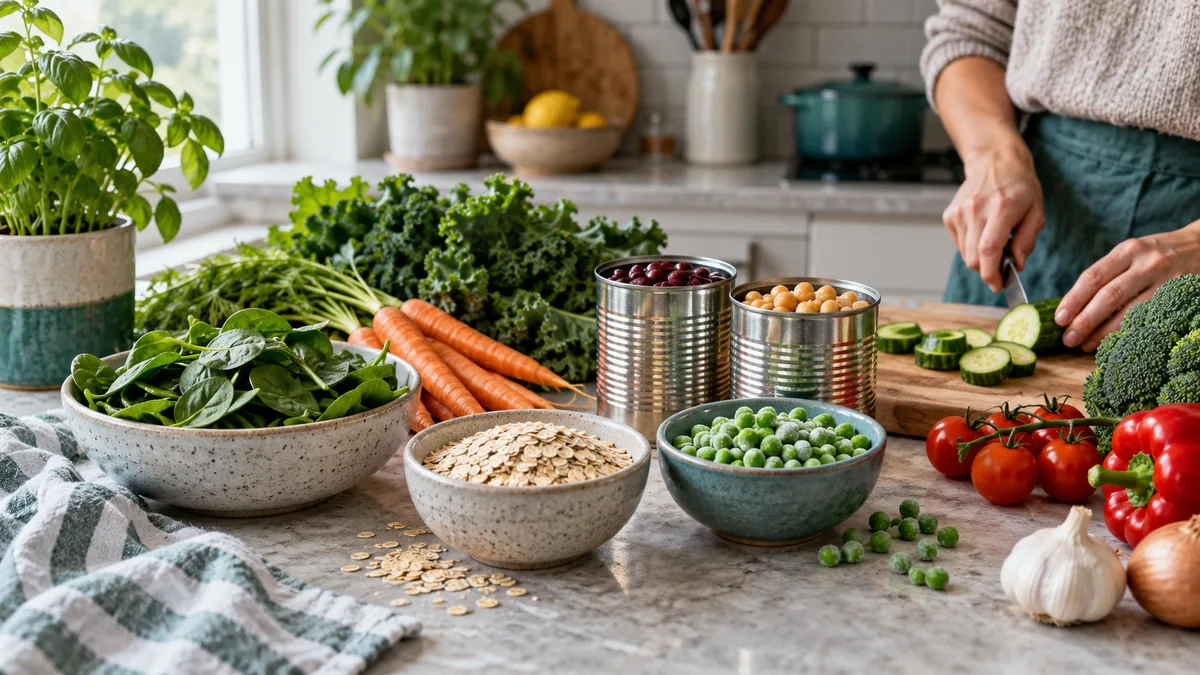
Canned beans, frozen vegetables, bread, yogurt, tofu, and ready-to-heat grains can make meals practical. Their processing and formulations differ, but many can contribute useful components. Removing every convenient option may make eating more expensive or difficult, particularly when time, mobility, kitchen access, or energy is limited.
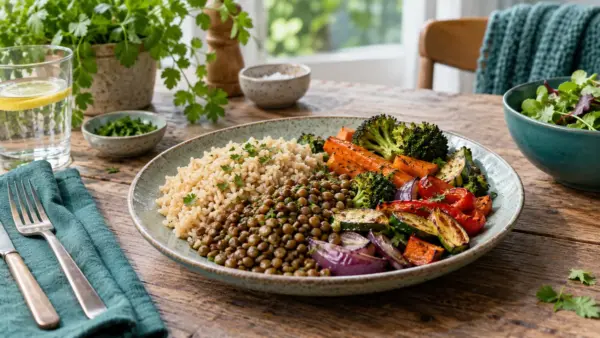
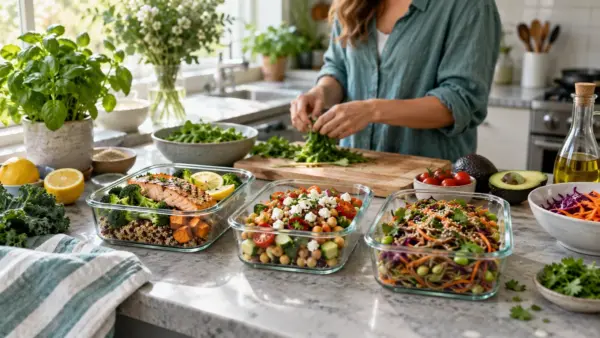
Try combining convenient ingredients: beans, a grain, and frozen vegetables with a sauce you enjoy. Our everyday food guide offers more examples. A meal does not need to be entirely homemade to provide nourishment. The relevant question is how the components work together and whether the overall pattern meets your needs.
Make changes by adding workable alternatives
If certain snack products or ready-made meals dominate your eating and you want more variety, identify one practical change. Add fruit alongside breakfast, use beans in a familiar dinner, or keep an easy lunch available. Replacing every item at once can be expensive and may leave you without food you can prepare reliably.
You might alternate a usual snack with yogurt and fruit or add vegetables and a protein food to a convenient noodle dish. These examples improve variety without requiring a purity test. Our snack ideas and home lunch guide provide combinations you can adapt according to taste and access.
Consider the whole pattern and your circumstances
Foods can serve convenience, pleasure, culture, social connection, and nourishment at the same time. One choice does not define your health or character. If avoiding a category leads to fear, guilt, or an increasingly narrow diet, step back and seek qualified support when needed. A useful framework should help you eat, not make food feel unsafe everywhere.
Choose one comparison the next time you shop: two breads, two soups, or two cereals you would actually enjoy. Look at the label, price, and practical role in your meals. The sustainable eating guide can help you turn that information into a flexible habit rather than another demanding set of rules.
Frequently Asked Questions
No. Processing includes useful preservation and preparation methods. Evaluate the particular food, what it contributes, and how it fits into your overall eating pattern.
No. An unfamiliar name alone does not establish harm. Consider reliable information about the ingredient and the food rather than judging by how scientific the name sounds.
A general article cannot prescribe an individual diet. Focus on a varied, adequate pattern and practical improvements; seek professional guidance for specific health or dietary needs.