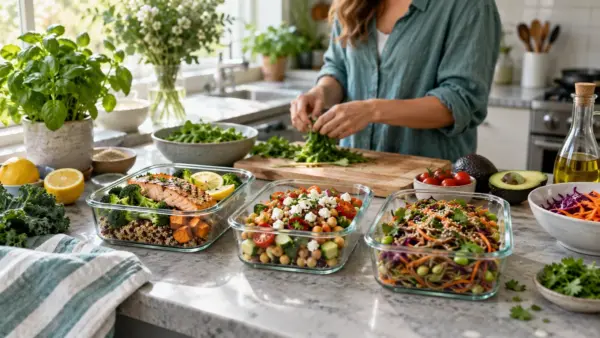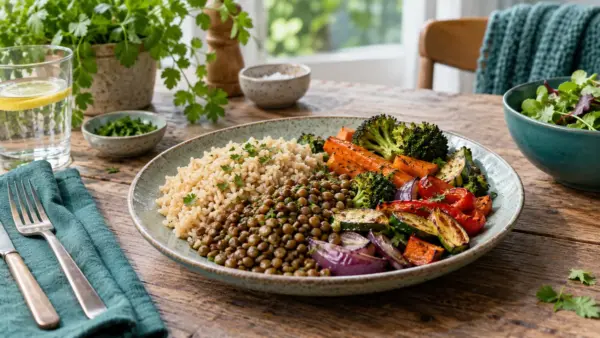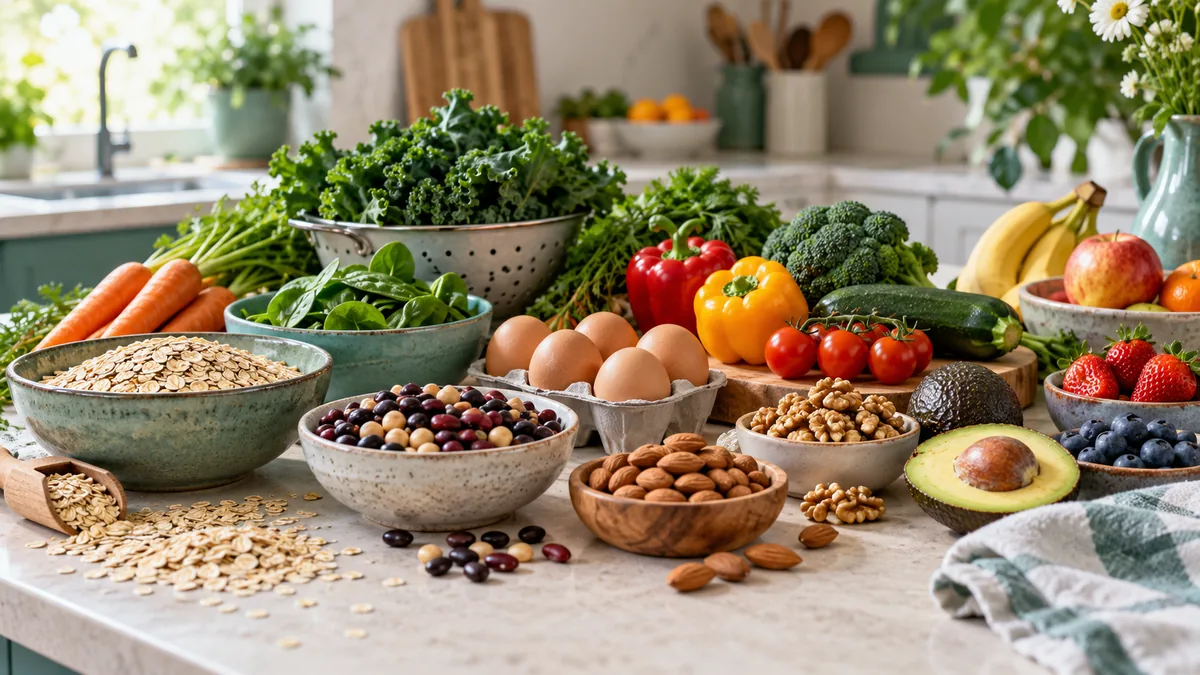

You do not need a collection of expensive specialty ingredients to put together nourishing meals. Many useful foods are ordinary items you can find in a grocery store: beans, oats, potatoes, eggs, vegetables, fruit, and other familiar staples. The best choices for your kitchen are foods you can afford, store, prepare, and enjoy in more than one way.
Build a pantry around meals you already like
Before buying a long list of foods labeled healthy, think about three meals your household eats willingly. Identify the ingredients they share and the additions that would make them more complete or convenient. A pantry becomes useful through repeated meals, not through owning ingredients you feel obligated to learn how to use.
For example, if you enjoy rice dishes, keep rice, a preferred bean or protein food, frozen vegetables, and a sauce available. If sandwiches are easier, stock bread, suitable fillings, and produce you like alongside them. Our balanced plate guide can help you identify useful components without changing your entire style of eating.
Beans and lentils: flexible meal foundations
Beans and lentils provide protein and fiber and work in soups, stews, salads, tacos, and spreads. Canned versions make quick meals possible; dried versions may suit batch cooking. Choose according to your time, equipment, and budget. A can of beans is useful only if you also have a simple idea for turning it into food.
Try mashing cooked beans with lemon and herbs for a sandwich filling, stirring lentils into tomato sauce, or adding chickpeas to a vegetable skillet. If you are eating legumes more often, increase the amount gradually if needed for digestive comfort. Compare sodium labels on canned options and rinse when appropriate for the dish.
Oats and other grains: dependable bases
Oats can become a warm breakfast, refrigerated overnight oats, or a savory bowl. Rice, barley, whole-grain bread, tortillas, and pasta offer other practical bases. Choose options you enjoy and can prepare reliably. Whole-grain choices can contribute fiber, but variety does not require replacing every familiar grain at once.
Keep one quick option for busy days, such as oats, bread, or a ready-to-heat grain. Convenience can help you assemble a meal when cooking from scratch is unrealistic. The breakfast ideas guide shows several ways to use oats and bread so a small shopping list can support different tastes.
Vegetables in several forms
Fresh, frozen, and canned vegetables all offer practical possibilities. Fresh carrots can become a crunchy side or a cooked ingredient, frozen peas can go straight into a simmering dish, and canned tomatoes can form the base of a sauce. Match the form to how you plan to use it and how soon you will cook.
Stock at least one vegetable that needs little preparation and one you enjoy cooked. If you routinely discard fresh spinach, frozen spinach may be a better purchase. Avoid judging the value of produce only by whether it was recently harvested. Availability and actual use matter in an everyday eating pattern.
Fruit that fits your routine
Choose fruit you can realistically eat before it spoils. Apples, oranges, bananas, frozen berries, or canned fruit in an option you enjoy may serve different needs. Whole fruit can be a side, a snack, or an ingredient in breakfast. Keep washing, cutting, and refrigeration needs in mind rather than assuming all fruit stores the same way.
If a large package is cheaper, consider whether another household member will share it or whether the fruit can be frozen appropriately. A smaller purchase that gets eaten can be more economical than a bargain that goes unused. Our colorful produce guide offers ways to add variety without overbuying.
Protein foods you can prepare confidently
Eggs, tofu, fish, poultry, yogurt, and other protein foods can add options alongside beans and lentils. Choose according to your dietary preferences and food-safety knowledge. Keep a no-cook or quick-cook option available for days when you do not want a complicated recipe. Read storage instructions and use opened products within appropriate limits.
Nuts, seeds, and their butters can also contribute nutrients and texture. Add them to oats, use a suitable butter on toast, or include a handful with fruit if they fit your needs. For allergies, choose safe alternatives and check labels carefully. Seeds are not automatically safe for everyone who cannot eat nuts.
Flavor ingredients make staples usable
A few seasonings can change the same basic foods considerably. Lemon, vinegar, herbs, garlic, spices, olive oil, or a preferred sauce can turn a plain grain and vegetable bowl into something appealing. You do not need every option at once. Start with flavors you already know you like and use regularly.
Write a short shopping list around two planned meals and one backup meal. The meal planning guide can help you connect purchases with actual cooking. Keep experimenting in small quantities, then restock foods that prove useful. A well-stocked kitchen is personal: it supports the meals you eat rather than displaying an idealized version of healthy living.
Frequently Asked Questions
No. Familiar foods can contribute a wide range of nutrients. Focus on variety, adequacy, and ingredients you can use consistently rather than marketing labels.
They can be valuable staples. Consider the product, preparation, storage instructions, and nutrition label instead of assuming the preservation method determines its value.
Start with enough to support a few specific meals. Add variety gradually after you know which foods your household enjoys and uses reliably.