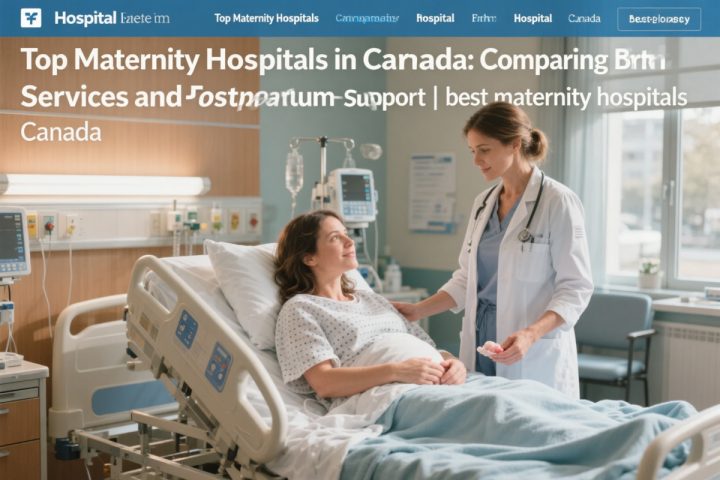
Navigating the Choice of Best Maternity Hospitals in Canada for Your Birth Journey
Selecting the right healthcare facility for childbirth is one of the most significant decisions expecting parents will make. In a country as vast and diverse as Canada, the landscape of obstetric care varies considerably by province, region, and specific hospital capabilities. For families seeking the best maternity hospitals in Canada, the decision often hinges on a complex balance of medical expertise, available birth services, postpartum support systems, and the overall patient experience. Whether you are looking for a high-risk specialized center or a community hospital known for its compassionate midwifery-led care, understanding the nuances of each facility is essential.
The search for top-tier maternity care goes beyond simple location convenience. It involves evaluating the breadth of services offered, from pain management options like epidurals to specialized neonatal intensive care units (NICUs) that can handle premature infants or complex medical conditions. Parents must also consider the philosophy of care provided by the institution, whether it leans towards a highly medicalized approach or a more holistic, natural birth-focused model. The quality of postpartum support, including lactation consulting, mental health resources, and family-centered care programs, plays an equally critical role in the recovery and bonding process after delivery.
This comprehensive guide aims to demystify the selection process by comparing leading maternity centers across major Canadian cities. We will explore the unique strengths of these institutions, detailing their specific offerings in prenatal education, labor and delivery protocols, and the robustness of their postnatal support networks. By examining real-world factors such as wait times, visitor policies, and the availability of private rooms, we hope to provide a clear roadmap for expectant parents. Ultimately, identifying the best maternity hospitals in Canada requires aligning your personal birth preferences with the clinical excellence and supportive environment that a specific hospital offers.
Understanding the Spectrum of Maternity Care Options Across Provinces
Canada’s healthcare system is publicly funded, yet the delivery of maternity services is managed at the provincial level, leading to distinct differences in how care is structured and accessed. While all Canadians have access to medically necessary hospital services, the range of amenities, private room availability, and supplementary services can vary significantly between regions. When searching for the best maternity hospitals in Canada, it is crucial to recognize that what constitutes “top-tier” care in one province may differ from another due to local regulations, funding models, and population needs.
In large metropolitan areas like Toronto, Vancouver, and Montreal, tertiary care centers often serve as the hub for high-risk pregnancies and complex deliveries. These facilities are equipped with advanced technology and multidisciplinary teams capable of managing rare complications. However, this does not mean that smaller community hospitals lack quality care. Many regional hospitals excel in providing low-intervention, family-centered births with strong midwifery integration. The key for parents is to understand the scope of practice and the specific services available at their local facilities versus those requiring referral to a major urban center.
Furthermore, the concept of choice in maternity care has expanded in recent years. Some provinces now offer more flexibility regarding birth settings, including hospital-based birthing centers and home birth support integrated with hospital backup. This shift reflects a growing demand for personalized care plans that respect the mother’s autonomy while ensuring safety. Parents looking for the best maternity hospitals in Canada should investigate whether their preferred hospital supports their desired birth plan, whether that involves a water birth, a cesarean section, or a natural unmedicated delivery. Understanding these systemic differences helps set realistic expectations and guides the research process effectively.
Tertiary Care Centers vs. Community Hospitals: A Critical Distinction
The distinction between tertiary care centers and community hospitals is perhaps the most important factor when evaluating potential birth locations. Tertiary care centers are large academic hospitals that specialize in treating complex medical conditions. They typically house Level III or Level IV Neonatal Intensive Care Units (NICUs), which are designed to care for extremely premature infants or babies with severe congenital anomalies. If you are carrying twins, triplets, or have a pre-existing condition like diabetes or hypertension, a tertiary center might be the safest choice for your delivery.
Conversely, community hospitals focus on low-risk pregnancies and standard deliveries. They often provide a quieter, less clinical environment that many parents find conducive to a calm birth experience. These hospitals usually have Level I or II NICUs, sufficient for stable preterm infants who need short-term monitoring before transitioning to a higher-level unit if necessary. For healthy pregnancies without complications, a community hospital can offer excellent care with shorter wait times and more personalized attention from staff. When weighing the best maternity hospitals in Canada, parents must honestly assess their risk profile to determine if they require the advanced capabilities of a tertiary center or the intimate setting of a community facility.
Top Tier Facilities in Major Metropolitan Hubs
Major Canadian cities host some of the most renowned maternity departments in the world, attracting patients from across the country and internationally. These institutions combine cutting-edge medical research with compassionate patient care, making them prime candidates for those seeking the best maternity hospitals in Canada. Each of these centers has developed a reputation for excellence in specific areas, ranging from high-risk obstetrics to innovative postpartum mental health programs.
In Ontario, the University Health Network (UHN) and Mount Sinai Hospital stand out for their comprehensive obstetric services. UHN’s Mount Sinai Hospital is particularly noted for its Women’s College Hospital partnership, offering state-of-the-art perinatal care. Similarly, in British Columbia, the BC Women’s Hospital and Health Centre in Vancouver is a leader in maternal-fetal medicine and neonatology. Their dedicated facilities ensure that both mother and baby receive specialized attention regardless of the complexity of the situation.
Montreal’s Jewish General Hospital and the McGill University Health Centre (MUHC) are other pillars of excellence in Quebec. These institutions are known for their bilingual services and robust research initiatives in reproductive health. In Alberta, the Foothills Medical Centre in Calgary provides extensive services, including a specialized fetal therapy program. These hospitals do not just treat pregnancy; they lead the way in developing new protocols for safe delivery and rapid recovery. For families prioritizing access to the latest medical advancements and specialized specialists, these metropolitan hubs represent the pinnacle of obstetric care available in the nation.
Comparing Services: Pain Management and Birth Options
One of the primary considerations for expectant parents is the variety of pain management and birth options available. The best maternity hospitals in Canada generally offer a wide spectrum of choices, but the specifics can vary. Epidural anesthesia is widely available in almost all major hospitals, but the availability of other methods such as nitrous oxide, intravenous opioids, or hydrotherapy tubs depends on the specific facility’s infrastructure and staffing.
- Epidural Anesthesia: Available 24/7 at most tertiary and large community hospitals, allowing for continuous pain relief during labor.
- Water Birth: Offered at select hospitals and birthing centers, providing a soothing environment for labor, though not universally available in all acute care settings.
- Nitrous Oxide: Gaining popularity in Canadian hospitals as a self-administered option for pain relief during early labor.
- Birthing Balls and Movement: Most modern maternity wards encourage mobility and the use of equipment to facilitate labor progress.
Parents should verify these options during their prenatal tours. Some hospitals may restrict certain practices based on staffing ratios or safety protocols, so understanding the limitations beforehand is vital. The ability to create a customized birth plan is a hallmark of top-tier maternity care, ensuring that the medical team respects the family’s wishes while maintaining safety standards.
The Importance of Postpartum Support and Recovery Programs
The journey of childbirth does not end at delivery; the postpartum period is equally critical for the physical and emotional well-being of the mother and the newborn. The best maternity hospitals in Canada distinguish themselves through robust postpartum support systems that extend beyond the immediate hours after birth. These programs are designed to facilitate breastfeeding, monitor recovery, and address the psychological aspects of becoming a parent.
Lactation support is a cornerstone of postpartum care. Leading hospitals employ certified lactation consultants who are available around the clock to assist with latching issues, milk supply concerns, and pumping techniques. This immediate support can significantly increase the likelihood of successful breastfeeding, which is linked to numerous health benefits for both infant and mother. Additionally, many facilities offer group classes and peer support groups where new mothers can connect, share experiences, and receive guidance from trained professionals.
Beyond physical recovery, mental health support has become a priority in modern maternity care. Postpartum depression and anxiety are serious conditions that require early detection and intervention. Top hospitals now integrate mental health screening into routine postpartum visits and provide easy access to counselors and psychiatrists specializing in perinatal mood disorders. Family-centered care models also encourage the involvement of partners and extended family in the recovery process, creating a supportive network that extends into the home environment. This holistic approach ensures that the transition to parenthood is as smooth and supported as possible.
NICU Capabilities and Specialized Newborn Care
While every effort is made to ensure a healthy full-term birth, unforeseen complications can arise, necessitating specialized care for the newborn. The presence and capability of a Neonatal Intensive Care Unit (NICU) are defining features of the best maternity hospitals in Canada. NICUs are categorized by levels, with Level III and IV units capable of caring for the smallest and sickest infants, including those born prematurely or with congenital heart defects.
- Level I (Well Baby Nursery): Provides basic care for healthy term infants.
- Level II (Special Care Nursery): Cares for infants who are moderately premature or have mild medical issues.
- Level III (Neonatal Intensive Care Unit): Equipped for critically ill infants, including those requiring mechanical ventilation and specialized surgery.
- Level IV (Regional NICU): Offers the highest level of care, including complex surgical interventions and long-term intensive care.
When choosing a hospital, parents should inquire about the specific level of NICU available on-site. Having a Level III or IV unit within the same building as the delivery ward allows for immediate transfer of the baby if complications occur, minimizing stress and maximizing the chances of a positive outcome. This proximity is a significant advantage for high-risk pregnancies and provides peace of mind for expectant parents.
A Comparative Analysis of Leading Maternity Services
To help families make informed decisions, we have compiled a comparative overview of key service categories found in top Canadian maternity hospitals. This table highlights the typical offerings of major centers, illustrating why they are considered among the best maternity hospitals in Canada. While specific services may vary by location, this comparison provides a general framework for what to expect from leading institutions.
| Service Category | Tertiary Care Centers (e.g., Toronto, Vancouver) | Large Community Hospitals | Small Rural/Midwifery-Led Facilities |
|---|---|---|---|
| NICU Level | Level III or IV (Full specialization) | Level II or III (Limited high-risk) | Level I (Stable infants only) |
| Pain Management | Full spectrum (Epidural, Nitrous, Water, etc.) | Standard options (Epidural, IV) | Non-pharmacological focus (Midwifery) |
| Postpartum Support | 24/7 Lactation, Mental Health, Social Work | Daily rounds, Group classes | Home visit follow-up, Peer support |
| Private Rooms | Often available (may incur extra cost) | Limited availability | Rarely available |
| High-Risk Coverage | Comprehensive (Maternal-Fetal Medicine) | Referral required for complex cases | Transfer protocol for complications |
This comparison underscores the trade-offs involved in selecting a hospital. While tertiary centers offer the highest level of medical security, they may feel more impersonal or busy. Community hospitals strike a balance, offering good care with a slightly more relaxed atmosphere. Small facilities prioritize the midwifery model and continuity of care but rely on transfer agreements for emergencies. The best maternity hospitals in Canada for a specific family depend entirely on their individual risk factors, birth preferences, and desire for privacy or medical intensity.
Costs, Insurance, and Public Funding Nuances
One of the most common questions regarding healthcare in Canada is the cost of services. Under the Canada Health Act, medically necessary hospital services, including childbirth, are covered by provincial health insurance plans. This means that for residents with valid health cards, the core costs of delivery, doctor fees, and hospital stay are generally free at the point of service. However, this coverage applies primarily to the medical necessity of the birth itself.
There are often additional costs associated with amenities that enhance comfort but are not medically required. Private or semi-private rooms, for instance, may come with a daily fee unless the hospital deems it medically necessary. Visitors’ parking, meals for family members, and certain non-essential supplies like newborn clothing or special toiletries are typically out-of-pocket expenses. Furthermore, while public insurance covers the physician and nurse midwife, it may not cover the services of a private doula or certain alternative therapies chosen by the parents.
It is also important to note that for non-residents or international students, the cost of maternity care can be substantial. Some hospitals offer packages for international patients that include accommodation and comprehensive care, but these are rarely covered by public funds. Parents considering the best maternity hospitals in Canada should budget for these ancillary costs and check with their specific hospital’s billing department to understand exactly what is included in the standard public coverage versus what requires private payment.
Frequently Asked Questions
Frequently Asked Questions
What defines the best maternity hospitals in Canada?
The best maternity hospitals in Canada are typically defined by their combination of medical expertise, specialized facilities like high-level NICUs, and comprehensive postpartum support services. Factors such as the availability of various pain management options, the ratio of nurses to patients, and the hospital’s commitment to family-centered care play a significant role. Additionally, the reputation of the medical staff, particularly in maternal-fetal medicine and neonatology, is a key indicator of quality.
Do I need private insurance to give birth in a top Canadian hospital?
No, you do not need private insurance to access medically necessary maternity services in Canada. Provincial health insurance covers the cost of the delivery, hospital stay, and physician fees for eligible residents. However, private insurance or out-of-pocket payments may be required for non-medical amenities such as private rooms, parking, or hiring a private doula. The core medical care remains accessible to all insured citizens regardless of financial status.
Can I choose my birth partner and visiting hours at these hospitals?
Most of the best maternity hospitals in Canada operate under a family-centered care model that encourages the presence of a birth partner throughout labor and delivery. Visiting hours are generally flexible, especially for immediate family and support persons, though specific policies may vary depending on the hospital’s current capacity and infection control measures. It is advisable to discuss your preferences during prenatal appointments to ensure your chosen support person is accommodated.
What happens if I have a high-risk pregnancy in a community hospital?
If a community hospital identifies a high-risk pregnancy or a complication arises during labor, they have established protocols to transfer the patient to a nearby tertiary care center. These transfers are coordinated quickly to ensure the safety of both mother and baby. While community hospitals provide excellent care for low-risk pregnancies, having a transfer agreement with a larger center is a standard safety measure that ensures access to advanced neonatal and obstetric care when needed.
How can I tour a maternity hospital before making my decision?
Most leading maternity hospitals offer scheduled tours for expectant parents. These tours allow you to see the labor and delivery rooms, the NICU, and meet with nursing staff or midwives. To arrange a tour, contact the hospital’s maternity department directly or ask your obstetrician for a recommendation. During the tour, prepare a list of questions about their specific services, pain management options, and postpartum programs to get the most out of the visit.
Sources
The information presented in this article is derived from authoritative healthcare organizations and government resources regarding maternity care in Canada.
- Government of Canada – Health System Overview
- Canadian Medical Association Journal (CMAJ)
- Canadian Medical Association
- Canadian Paediatric Society
- Society of Obstetricians and Gynaecologists of Canada (SOGC)
- BC Women’s Hospital & Health Centre
- University Health Network (Toronto)
- McGill University Health Centre (Montreal)