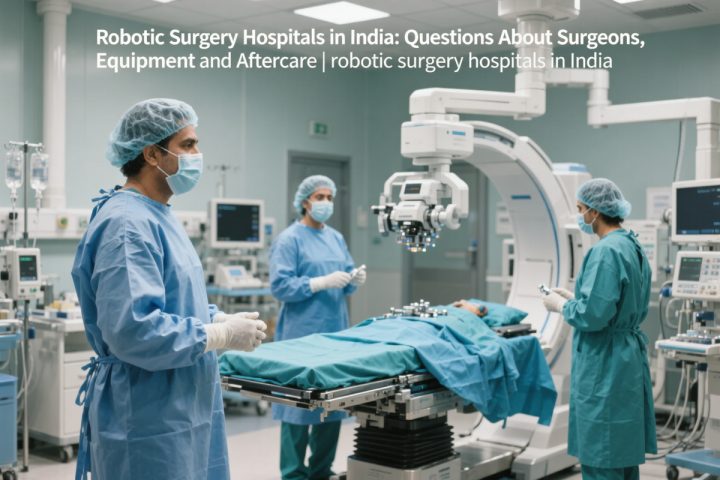
Understanding the Landscape of Robotic Surgery Hospitals in India
The landscape of advanced medical care in India has undergone a seismic shift in the last decade, moving from traditional open procedures to highly sophisticated minimally invasive techniques. At the forefront of this revolution are robotic surgery hospitals in India, which have become synonymous with precision, reduced recovery times, and improved patient outcomes. For patients seeking complex treatments for conditions ranging from prostate cancer to cardiac defects, the decision to undergo robotic-assisted surgery is often driven by the promise of superior surgical accuracy that human hands alone cannot consistently achieve.
However, the choice of a healthcare facility for such high-stakes procedures requires more than just identifying a hospital with a robot on site. It involves a deep understanding of the ecosystem surrounding these technologies. Prospective patients must evaluate the expertise of the surgeons who operate these machines, the specific models of equipment being utilized, and the comprehensive aftercare protocols that determine long-term success. The question is no longer whether robotic surgery is available, but rather how to navigate the options to find the right robotic surgery hospitals in India that align with specific medical needs and budgetary constraints.
This guide aims to demystify the process of selecting a center for robotic surgery. By addressing critical questions about surgeon credentials, the technology itself, and the post-operative journey, we provide a roadmap for patients and their families. Whether you are considering urological procedures, gynecological interventions, or general surgeries, understanding the nuances of the robotic surgery hospitals in India sector is essential for making an informed healthcare decision that prioritizes safety and efficacy.
Who Operates the Machine? Evaluating Surgeon Expertise and Credentials
A common misconception among patients is that the robot performs the surgery autonomously. In reality, the robot is merely an advanced tool that translates the surgeon’s hand movements into precise actions inside the body. Therefore, the most critical factor when choosing robotic surgery hospitals in India is the experience and certification of the operating surgeon. Unlike traditional laparoscopy, where a surgeon might perform hundreds of cases over a career, robotic surgery often requires a steep learning curve and specialized training to master the console controls and three-dimensional visualization.
When researching potential facilities, it is vital to inquire specifically about the number of robotic procedures the lead surgeon has completed. A surgeon who has performed only a handful of robotic cases may not be as adept at handling unexpected complications as one who has logged thousands of hours. Reputable robotic surgery hospitals in India typically ensure that their surgical teams have undergone rigorous training programs, often certified by the manufacturers of the robotic systems themselves, such as Intuitive Surgical. This certification ensures that the surgeon understands the full capabilities and limitations of the technology.
Beyond the raw numbers, the specialization of the surgeon matters immensely. A top-tier urologist specializing in prostatectomies using robotics will yield different results compared to a general surgeon attempting similar procedures. Patients should look for surgeons who have published research, presented at international conferences, or hold leadership roles in robotic surgery societies. The synergy between the surgeon’s skill and the machine’s precision is what defines the quality of care. Ultimately, the reputation of the surgeon is the single most reliable predictor of success within any robotic surgery hospitals in India.
Certification Standards and Training Protocols
In the competitive market of robotic surgery hospitals in India, certification standards serve as a benchmark for quality assurance. Leading institutions adhere to strict protocols where surgeons must complete a defined curriculum before they are permitted to operate independently. These curricula often include simulation training, where the surgeon practices on virtual environments to refine their dexterity and spatial awareness without risk to a patient. Following simulation, surgeons typically progress to supervised live cases, gradually increasing the complexity of the procedures until they are deemed proficient.
Patients should verify if the hospital maintains a registry of their surgeons’ training logs. Transparency regarding these metrics is a hallmark of ethical medical practice. Furthermore, continuous education is crucial in this rapidly evolving field. The best robotic surgery hospitals in India encourage their staff to attend regular workshops and update their skills with the latest software upgrades and procedural techniques. This commitment to lifelong learning ensures that the surgical team remains at the cutting edge of medical technology, providing patients with the highest standard of care available globally.
The Technology Behind the Procedure: Equipment and Capabilities
While the surgeon is paramount, the quality of the equipment used in robotic surgery hospitals in India cannot be overlooked. The primary system dominating the global and Indian markets is the da Vinci Surgical System, known for its intuitive control and high-definition 3D vision. However, not all robotic systems are created equal, and newer entrants in the market offer varying degrees of flexibility, haptic feedback, and cost-efficiency. Understanding the differences between these technologies helps patients make informed decisions about where to seek treatment.
When visiting a facility, it is important to ask which generation of the robotic system is in use. Newer iterations often feature enhanced instruments with greater range of motion, allowing for more delicate maneuvers in tight anatomical spaces. Additionally, some advanced systems offer features like force feedback, which allows the surgeon to “feel” tissue resistance through the console—a capability absent in earlier models. The presence of state-of-the-art imaging integration, such as intraoperative fluorescence imaging, can also significantly enhance the surgeon’s ability to identify blood vessels and tumors during the procedure.
The maintenance and sterilization protocols of the equipment are equally critical. Robotic surgery hospitals in India must adhere to rigorous hygiene standards to prevent cross-contamination and ensure the longevity of the expensive machinery. Regular calibration and software updates are mandatory to maintain peak performance. Patients should feel confident that the hospital invests in maintaining its fleet of robots to the manufacturer’s specifications. A well-maintained system reduces the risk of technical errors and ensures that the surgeon can rely on the technology to execute the planned procedure flawlessly.
Comparing Robotic Systems Available in India
To assist in understanding the technological landscape, here is a comparison of the primary robotic systems found in leading robotic surgery hospitals in India. While the da Vinci system remains the gold standard, other platforms are gaining traction due to cost-effectiveness and specific clinical advantages.
| System Name | Key Features | Common Applications | Market Presence in India |
|---|---|---|---|
| da Vinci Xi/Si | High-definition 3D vision, EndoWrist instruments, flexible arm movement, extensive surgeon training network. | Urology (Prostatectomy), Gynecology, General Surgery, Cardiac Surgery. | Widely available in major metropolitan hubs; considered the industry standard. |
| Medtronic Hugo RAS | Modular design, potentially lower cost per case, compatible with existing endoscopic tools. | Gynecology, Urology, General Surgery. | Emerging presence; expanding adoption in select tier-1 hospitals. |
| CMR Versius | Compact footprint, modular arms, designed for smaller operating rooms. | Gynecology, Urology, General Surgery. | Niche adoption; growing interest for specialized centers. |
| Indian Made Robotics (e.g., Asimov) | Cost-effective, localized support, tailored for specific regional needs. | General Surgery, Basic Laparoscopic procedures. | Early stage deployment in government and private teaching hospitals. |
The table above illustrates that while the robotic surgery hospitals in India primarily utilize the da Vinci platform for complex oncological and cardiac cases, the market is diversifying. Patients should discuss with their doctors which system is best suited for their specific condition. For instance, certain complex reconstructions might benefit more from the articulation of the da Vinci system, while routine procedures might be efficiently handled by newer, more compact systems. The availability of the right equipment directly impacts the feasibility and success rate of the surgery.
The Patient Journey: Pre-Operative Assessment and Surgical Process
Entering a robotic surgery hospitals in India for treatment involves a structured journey that begins well before the day of the operation. The pre-operative phase is critical for optimizing patient health and ensuring that the robotic approach is indeed the most suitable option. During this stage, the medical team conducts a comprehensive evaluation, including blood work, imaging scans (CT, MRI), and consultations with specialists. This thorough assessment helps in planning the surgical strategy, determining the exact incision points, and anticipating any anatomical challenges that the robot might need to navigate.
Once the decision to proceed is made, the actual surgical process in these advanced centers is characterized by minimal invasiveness. Unlike open surgery, which requires large incisions, robotic surgery utilizes small keyhole incisions. The surgeon sits at a console away from the patient, controlling robotic arms that hold miniaturized instruments and a camera. This setup provides a magnified, high-definition view of the surgical site, allowing for movements that are more precise than the human hand can achieve. The benefits of this approach include less blood loss, reduced pain, and a significantly shorter hospital stay.
Patients should be aware that the duration of the surgery can sometimes be slightly longer than traditional methods due to the setup time required for the robot. However, this is often offset by the speed and efficiency of the dissection once the procedure begins. The entire team, including anesthetists and nursing staff, works in a synchronized manner to ensure patient safety throughout the process. Clear communication between the patient and the surgical team regarding expectations and potential risks is a cornerstone of the experience in reputable robotic surgery hospitals in India.
Step-by-Step Surgical Workflow
To visualize the workflow within a top-tier facility, consider the following sequence of events that typically occurs during a robotic procedure:
- Preparation and Anesthesia: The patient is admitted, and general anesthesia is administered. The surgical team positions the patient carefully to allow optimal access for the robotic arms.
- Robot Docking: The robotic cart is brought into the operating room and positioned next to the patient. The surgeon connects the instruments and camera to the robotic arms.
- Incision and Access: Small incisions are made, and trocars (ports) are inserted to create pathways for the robotic instruments.
- Surgical Execution: The surgeon moves to the console, dons the 3D glasses, and begins manipulating the controls. The robotic arms mirror the surgeon’s movements with tremor filtration and scale-down capabilities.
- Completion and Undocking: Once the procedure is finished, the instruments are removed, and the robotic system is undocked. Incisions are closed with sutures or staples.
- Recovery Room Transfer: The patient is moved to the recovery area for monitoring as they wake from anesthesia.
This structured approach ensures that every step is executed with maximum precision and safety. The detailed planning and execution seen in robotic surgery hospitals in India reflect a commitment to modernizing healthcare delivery and improving patient experiences.
Post-Operative Care and Recovery Protocols
The success of a robotic procedure does not end when the surgery is concluded; the quality of aftercare is equally vital. Robotic surgery hospitals in India distinguish themselves through robust post-operative care protocols designed to accelerate recovery and minimize complications. Because robotic surgery is minimally invasive, patients typically experience less pain and can mobilize much sooner than those undergoing open surgery. However, this does not mean recovery is automatic; it requires active participation from the patient and diligent monitoring by the medical team.
In the immediate post-operative period, the focus is on pain management, prevention of infection, and early ambulation. Patients are encouraged to walk shortly after surgery, which helps prevent blood clots and promotes lung function. The nursing staff in these specialized centers are trained to recognize signs of potential complications early, such as fever or unusual swelling. Discharge timelines vary depending on the type of surgery, but many patients are discharged within 24 to 48 hours for procedures like gallbladder removal or hysterectomy, compared to several days for open surgery.
Long-term recovery involves adherence to specific lifestyle modifications and follow-up appointments. Robotic surgery hospitals in India often provide comprehensive discharge packages that include diet plans, exercise guidelines, and instructions on wound care. Telemedicine services are increasingly becoming part of the aftercare model, allowing patients to consult with their surgeons remotely for follow-ups. This continuity of care ensures that any concerns are addressed promptly, contributing to better overall outcomes. The holistic approach to recovery is a key selling point for patients considering these advanced surgical options.
Key Components of Aftercare Plans
Effective aftercare in robotic surgery hospitals in India typically encompasses several critical components:
- Pain Management Strategies: Utilizing multimodal analgesia to reduce reliance on opioids and manage discomfort effectively.
- Dietary Guidance: Personalized nutrition plans to support healing and restore energy levels quickly.
- Physical Therapy: Tailored exercises to regain strength and mobility without straining the surgical site.
- Psychological Support: Counseling services to help patients cope with the stress of surgery and recovery.
- Remote Monitoring: Use of digital health tools to track vital signs and symptoms post-discharge.
By integrating these elements, hospitals ensure that the transition from the operating theater to home is smooth and safe. The emphasis on comprehensive aftercare reflects the broader goal of improving the patient journey and ensuring that the investment in robotic surgery yields the best possible return in terms of health and quality of life.
Cost Considerations and Insurance Coverage
One of the most significant factors influencing the decision to choose robotic surgery hospitals in India is the cost. While robotic surgery offers numerous benefits, it is generally more expensive than traditional open or laparoscopic surgery due to the high cost of the equipment, maintenance fees, and consumables. However, the overall cost-benefit analysis often favors robotic surgery when considering shorter hospital stays, reduced need for pain medication, and faster return to work. Patients must weigh the upfront costs against these long-term savings.
Insurance coverage for robotic surgery varies widely. Some insurance providers in India cover the procedure entirely if deemed medically necessary, while others may classify the robotic component as an elective upgrade and cover only the base surgical cost. It is imperative for patients to check their policy details thoroughly before proceeding. Many robotic surgery hospitals in India have dedicated insurance coordination desks to help patients navigate these complexities, verify coverage, and explore financing options. Transparent pricing models are becoming more common, with hospitals providing itemized estimates that break down surgeon fees, anesthesia, room charges, and the specific robotic surcharge.
For international patients, India remains a highly attractive destination for robotic surgery hospitals in India due to the significant cost advantage compared to Western countries. Even with travel and accommodation expenses, the total cost can be a fraction of what it would be in the US or Europe. However, patients should be wary of hidden costs and ensure that all aspects of the treatment, including follow-up visits, are clearly outlined in the financial agreement. Understanding the full financial picture is essential for avoiding surprises and ensuring a stress-free medical experience.
Frequently Asked Questions
How do I know if a hospital is truly qualified for robotic surgery?
To verify a hospital’s qualification, look for accreditation from recognized bodies like NABH or JCI, and specifically inquire about the surgeon’s volume of robotic cases. A qualified robotic surgery hospitals in India will openly share data on their surgeons’ training certifications and the number of successful procedures performed. They should also have a dedicated multidisciplinary team, including specialized nurses and anesthesiologists trained in robotic protocols.
Is robotic surgery covered by health insurance in India?
Many health insurance policies in India do cover robotic surgery, but coverage often depends on the specific plan and the medical necessity of the procedure. Some insurers may cover the base surgery but exclude the additional “robotic fee.” It is crucial to obtain pre-authorization from your insurance provider and confirm exactly what portion of the cost will be reimbursed before scheduling the surgery at any robotic surgery hospitals in India.
What is the typical recovery time for robotic surgery compared to open surgery?
Recovery time for robotic surgery is generally significantly shorter than for open surgery. Patients often leave the hospital within 1 to 3 days, whereas open surgery might require a week or more. Full recovery and return to normal activities can take 1 to 2 weeks for robotic procedures, compared to 4 to 6 weeks for open surgery. This accelerated recovery is a major advantage sought by patients visiting robotic surgery hospitals in India.
Are there risks associated with robotic surgery?
Like any surgical procedure, robotic surgery carries risks, including infection, bleeding, and adverse reactions to anesthesia. There are also rare risks specific to the robot, such as mechanical failure or nerve injury due to positioning. However, the precision of the robot often reduces risks related to human error and tissue trauma. Reputable robotic surgery hospitals in India mitigate these risks through rigorous safety protocols and experienced surgical teams.
Can I get robotic surgery done in smaller cities in India?
While the majority of advanced robotic systems are concentrated in major metropolitan areas like Delhi, Mumbai, Bangalore, and Chennai, the technology is increasingly spreading to tier-2 cities. Several robotic surgery hospitals in India in smaller urban centers have acquired these systems to serve local populations. However, for highly complex cases, patients may still be advised to travel to top-tier centers in major cities where the volume of cases and surgeon expertise is higher.