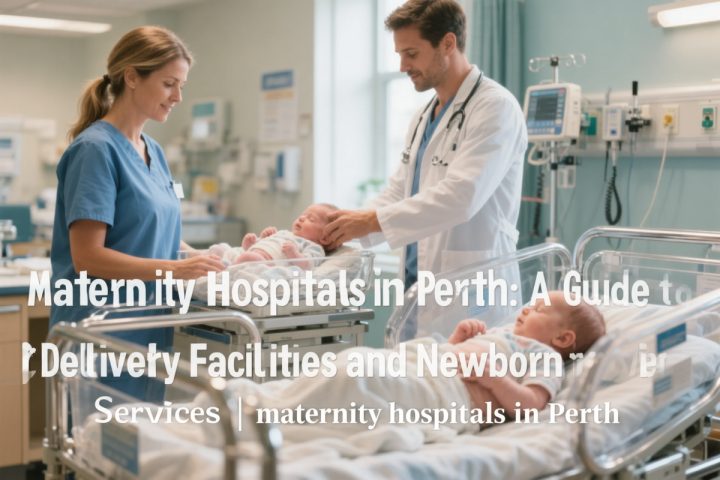
Navigating Your Birth Journey: Choosing the Right Maternity Hospitals in Perth
Expecting a child is one of the most transformative experiences in life, and selecting the right environment for delivery is a critical decision that impacts both mother and baby. For expectant parents in Western Australia, the landscape of healthcare facilities offers a diverse range of options, from large public teaching hospitals to specialized private maternity units. When searching for maternity hospitals in Perth, families are often looking for more than just medical expertise; they seek a supportive atmosphere, advanced neonatal care capabilities, and personalized service models that align with their birth preferences.
The choice between a public or private facility often dictates the level of autonomy, the type of accommodation available, and the continuity of care provided by midwives and obstetricians. Public hospitals in Perth provide comprehensive care funded by the government, ensuring accessibility for all residents while offering high-level emergency support through their tertiary centers. Conversely, private hospitals offer greater flexibility regarding room selection, partner accommodation, and the ability to choose specific specialists, though this comes with associated costs and insurance considerations. Understanding these distinctions is vital for making an informed decision before your due date arrives.
This guide aims to demystify the options available across the metropolitan area, providing a detailed overview of the facilities, services, and newborn care protocols found in leading institutions. Whether you are considering a home-like birthing suite within a major hospital or a dedicated private maternity wing, knowing what to expect regarding labor support, pain management, and postnatal recovery will empower you to plan confidently. We will explore the unique strengths of each major center, discuss the nuances of public versus private care, and outline the essential factors to consider when evaluating delivery facilities in Perth.
Public vs Private Care: Understanding the Core Differences
One of the first and most significant decisions prospective parents face is determining whether to pursue public or private maternity care. This choice fundamentally shapes the entire pregnancy journey, influencing everything from the frequency of appointments to the privacy of the delivery room. In the context of maternity hospitals in Perth, the public system is designed to provide universal access to high-quality clinical care regardless of financial status, while the private system focuses on consumer choice and customized comfort.
Public maternity services in Perth are delivered through a network of hospitals ranging from large tertiary centers like King Edward Memorial Hospital to smaller community hospitals. Patients in the public system are typically assigned a caseload midwife or a team of midwives who manage their care throughout pregnancy, labor, and the immediate postnatal period. This model promotes continuity of care, allowing patients to build a strong relationship with their caregivers. However, public patients may have less control over the timing of elective procedures, such as cesarean sections, and might experience longer waiting times for non-urgent consultations. The focus remains firmly on clinical safety and equitable access to life-saving interventions.
In contrast, private maternity care offers a higher degree of personalization. Parents can select their own obstetrician, choose the specific hospital where they wish to deliver, and often secure a private room upon admission. Private facilities frequently feature amenities that mimic hotel standards, including en-suite bathrooms, private dining options, and flexible visiting hours for family members. While this model provides enhanced comfort and convenience, it requires valid health insurance coverage and often involves out-of-pocket expenses for gaps in Medicare rebates. The cost factor is a primary consideration, as private treatment fees can be substantial without adequate insurance planning.
It is also important to note that many top-tier hospitals in Perth operate hybrid models, offering private rooms within public hospitals for those who opt for private treatment while remaining under the public system’s clinical oversight. This arrangement allows parents to enjoy some of the comforts of private care while retaining the security of public funding and access to the full spectrum of specialist services. Regardless of the path chosen, the clinical standards for safety and infection control remain rigorous across all Perth maternity facilities. Parents should weigh their financial situation, desire for control, and specific medical needs carefully before committing to a pathway.
Continuity of Care Models in Public Facilities
A defining feature of the public maternity system in Western Australia is the emphasis on continuity of care, particularly through the Caseload Midwifery Model. In this approach, a pregnant woman is cared for by a small group of midwives who know her history and preferences intimately. This model has been shown to reduce intervention rates, increase satisfaction scores, and improve outcomes for both mothers and babies. Unlike standard shift-based care where a patient might see a different midwife every few days, the caseload model ensures that the same familiar faces are present during labor and delivery.
However, eligibility for caseload midwifery can vary depending on the specific hospital and current staffing levels. Some centers prioritize this model for low-risk pregnancies, while others integrate it into broader care teams. For parents seeking this level of personalized attention within a public setting, it is advisable to inquire early in the pregnancy about availability. Even if full caseload care is not available, many public hospitals utilize shared care models where a midwife coordinates the overall plan while working alongside obstetricians for high-risk cases. This collaborative approach ensures that complex medical needs are managed without sacrificing the supportive presence of a dedicated midwife.
Flexibility and Choice in Private Settings
Private maternity hospitals in Perth are renowned for their flexibility, catering to parents who value autonomy in their birth planning. In a private setting, you generally have the final say on who attends your birth, including your partner, family members, or doulas, subject to hospital capacity and policy. The ability to choose your obstetrician is a significant advantage, allowing you to build a rapport with a doctor whose philosophy aligns with your birth goals. Whether you prefer a natural birth, an epidural, or a planned cesarean section, private practitioners often work closely with patients to create a tailored birth plan that is respected and implemented whenever clinically safe.
Furthermore, private hospitals often boast state-of-the-art technology and modern infrastructure designed to enhance the birth experience. Many facilities offer birthing suites equipped with hydrotherapy tubs, birthing balls, and comfortable lighting systems that can be adjusted to create a calming atmosphere. The accommodation is typically superior, with single rooms ensuring privacy and reducing stress for new parents. While the cost is higher, the investment often translates to a smoother, less stressful experience for families who prioritize comfort and control. When evaluating private maternity hospitals in Perth, it is crucial to verify insurance coverage details and understand any potential gap fees to avoid unexpected financial burdens.
Leading Public Tertiary Centers and Their Specialized Services
Perth is home to several world-class public hospitals that serve as the backbone of the region’s maternity services. These tertiary centers are equipped to handle the most complex pregnancies and emergencies, making them the safest option for high-risk cases. Among the most prominent is King Edward Memorial Hospital (KEMH), which stands as the only standalone women’s and children’s hospital in Western Australia. KEMH is a leader in obstetric research and clinical practice, offering a vast array of specialized services including fetal medicine, neonatal intensive care, and maternal-fetal medicine.
KEMH is particularly noted for its Level 4 Neonatal Intensive Care Unit (NICU), which is one of the most advanced in the country. This unit is capable of caring for extremely premature infants and those with severe congenital conditions requiring immediate, complex intervention. For parents expecting twins, triplets, or babies with known genetic risks, KEMH provides a comprehensive multidisciplinary team ready to support them from conception through to discharge. The hospital also houses the Fetal Medicine Clinic, where high-risk pregnancies are monitored closely using advanced ultrasound and diagnostic techniques.
Beyond KEMH, Royal Perth Hospital and Fiona Stanley Hospital play pivotal roles in the public network. Fiona Stanley Hospital, having recently opened, represents the future of healthcare design in Perth. It features a dedicated Women’s Health and Children’s Centre that integrates maternity, pediatric, and emergency services under one roof. This co-location facilitates seamless transitions for patients who require urgent care or have complex needs. The hospital’s design prioritizes family-centered care, with spacious family rooms and easy access to support services, setting a new benchmark for modern maternity hospitals in Perth.
Royal Perth Hospital, as the oldest public hospital in the state, continues to offer robust maternity services with a strong focus on trauma and emergency care. Its central location makes it accessible to a wide demographic, and its integration with other medical specialties ensures that mothers with pre-existing conditions such as heart disease or diabetes receive coordinated care. These public institutions collectively ensure that no matter the complexity of the pregnancy, expert care is available within the city limits. They serve as the safety net for the entire state, handling everything from routine births to critical obstetric emergencies.
Neonatal Intensive Care Capabilities at Major Hubs
The quality of newborn services is often the deciding factor for parents concerned about the well-being of their baby, especially in the event of complications. In Perth, the capability of the NICU is a key metric for evaluating maternity hospitals in Perth. The highest level of care, Level 4 NICU, is available at KEMH and Royal Perth Hospital. These units are staffed around the clock by neonatologists, specialized nurses, and respiratory therapists trained to manage the most fragile patients.
These facilities are equipped with advanced life support systems, incubators, and ventilators capable of sustaining premature infants who may weigh less than 500 grams. The presence of a Level 4 unit means that a baby born prematurely does not need to be transferred to another city for care, significantly reducing the risk associated with transport. Additionally, these centers offer developmental care programs that focus on minimizing stress for the infant and supporting parental bonding even in the intensive care environment. Parents are encouraged to visit these units during tours to understand the layout and meet the staff, which can alleviate anxiety before the birth.
Specialized Private Maternity Units and Boutique Services
While public hospitals dominate the volume of births, Perth’s private sector offers a range of boutique and specialized maternity units that cater to specific preferences for privacy, luxury, and personalized attention. These facilities often operate within larger private hospital complexes but maintain distinct maternity wings designed to feel less clinical and more residential. Private hospitals like St John of God Subiaco, Mount Hospital, and Hollywood Private Hospital are renowned for their commitment to delivering a premium birth experience.
St John of God Subiaco, for instance, is celebrated for its holistic approach to maternity care, integrating traditional medical practices with complementary therapies. The hospital offers private rooms with stunning views and a focus on creating a serene environment for labor. Their team of obstetricians works collaboratively with midwives to ensure that birth plans are honored, whether that involves water births, hypnobirthing techniques, or specific positioning strategies. The emphasis here is on empowering the mother and fostering a positive psychological environment during the delivery process.
Hollywood Private Hospital, located in Nedlands, is another key player in the private sector, known for its proximity to the prestigious KEMH for backup support. This strategic location allows private patients to benefit from the clinical expertise of the public system if a transfer becomes necessary, while enjoying the comforts of a private suite. The hospital boasts a dedicated day surgery unit and a sophisticated operating theater for elective cesarean sections, ensuring that surgical interventions are performed with the highest standards of sterility and efficiency.
Mothercare units within these private hospitals often provide extended postnatal stays compared to public counterparts, allowing parents more time to recover and bond with their newborns before discharge. Many also offer lactation consultants, physiotherapy, and newborn care classes as part of the package. When choosing a private maternity hospital in Perth, parents should look for accreditation, the qualifications of the medical staff, and the specific amenities included in their fee structure. The goal is to find a facility that not only provides excellent clinical care but also supports the emotional and physical transition into parenthood.
Comparative Overview of Key Facilities
To assist in decision-making, it is helpful to compare the core offerings of the major providers. The following table outlines the general characteristics of the leading public and private maternity hospitals in the Perth metropolitan area.
| Feature | King Edward Memorial Hospital (Public) | Fiona Stanley Hospital (Public) | Hollywood Private Hospital (Private) | St John of God Subiaco (Private) |
|---|---|---|---|---|
| NICU Level | Level 4 (Highest) | Level 3 | Level 3 (with transfer access) | Level 3 (with transfer access) |
| Room Type | Shared or Private (Private pay) | Private Family Rooms | Single En-Suite Suites | Single En-Suite Suites |
| Cost Structure | Funded by Medicare/Govt | Funded by Medicare/Govt | Private Insurance + Gap Fees | Private Insurance + Gap Fees |
| Obstetrician Choice | Team based / Limited Choice | Team based / Limited Choice | Full Choice of Specialist | Full Choice of Specialist |
| Key Strength | Tertiary Emergency & Research | Integrated Modern Design | Premium Amenities & Privacy | Boutique Holistic Care |
Newborn Services and Postnatal Support Systems
The quality of care extends beyond the moment of delivery into the critical postnatal period. Newborn services in Perth are designed to ensure the healthy transition of infants from the womb to the outside world. This includes routine screenings, immunizations, and monitoring for common conditions such as jaundice, feeding difficulties, and temperature regulation. All major hospitals in Perth adhere to strict guidelines set by the Department of Health WA, ensuring that every baby receives standardized, evidence-based care.
One of the most critical aspects of newborn care is the screening program. Upon admission, babies undergo a series of tests, including the heel prick test for metabolic disorders, hearing screening, and pulse oximetry checks for heart defects. These screenings are conducted by trained neonatal nurses and are essential for early detection of conditions that could affect long-term development. Parents are provided with detailed information about these tests and the results are communicated clearly to ensure timely follow-up if any abnormalities are detected.
Lactation support is another cornerstone of postnatal services. Most hospitals employ qualified lactation consultants who are available to assist mothers with breastfeeding challenges, from latch issues to milk supply concerns. In private hospitals, these services are often integrated into the daily routine, with consultants visiting rooms regularly to provide hands-on guidance. Public hospitals also offer robust support, though the intensity of interaction may depend on staffing levels and the specific ward. Many facilities now encourage “rooming-in,” where the baby stays in the mother’s room 24/7, promoting bonding and facilitating easier breastfeeding schedules.
For parents facing complications, specialized outpatient clinics provide ongoing support after discharge. These clinics monitor growth, development, and any specific medical needs identified during the hospital stay. Additionally, many hospitals offer parenting groups and educational workshops covering topics like sleep hygiene, safe sleeping practices, and infant CPR. These resources are invaluable for new parents navigating the steep learning curve of caring for a newborn. When evaluating newborn services in Perth, parents should ask about the availability of lactation support, the frequency of pediatrician visits, and the protocols for managing common postnatal issues.
Support for High-Risk Newborns
For infants born with significant health challenges, the continuum of care is even more critical. High-risk newborns may require prolonged stays in the NICU or special care nurseries. In Perth, the coordination between the hospital and community services is robust, ensuring that families are not left without support once they return home. The Early Intervention Program connects families with allied health professionals, including occupational therapists, speech pathologists, and developmental pediatricians.
Parents of high-risk infants are often given a dedicated care coordinator who acts as a liaison between the hospital, the family, and external agencies. This person helps navigate the complex landscape of disability support, equipment provision, and therapy referrals. The goal is to create a seamless transition from the highly structured hospital environment to the home setting, minimizing disruption to the infant’s care plan. This level of support is a testament to the comprehensive nature of maternity hospitals in Perth, which prioritize the long-term well-being of the child over the duration of the hospital stay.
Practical Considerations for Expectant Parents
Selecting a maternity hospital involves more than just comparing clinical statistics; it requires a practical assessment of logistics, finances, and personal preferences. Parents must consider factors such as proximity to home, parking availability, and the ease of access for partners and family members. For those living in outer suburbs, travel time to the hospital can be a significant stressor, especially during labor. Public hospitals are generally centrally located, but private hospitals may offer more convenient locations depending on the suburb.
Financial planning is another paramount consideration. While public care is largely free, there may be costs for optional upgrades like private rooms or specific medications. Private care, however, requires a clear understanding of insurance policies. Parents should check their hospital cover levels, as some policies exclude certain treatments or impose waiting periods. It is also wise to inquire about gap fees, which are the difference between the hospital’s charge and the amount reimbursed by insurance and Medicare. Unexpected costs can arise from anesthesia, pathology tests, or extended stays, so a detailed budget is essential.
Another practical aspect is the hospital’s policy on visitors and partners. During the pandemic, restrictions were tight, but many hospitals have since relaxed these rules. However, policies can still vary, with some limiting the number of visitors per day or restricting overnight stays for partners in certain wards. Parents should confirm these policies early in their pregnancy to plan accordingly. Additionally, consider the availability of accommodation for interstate or international family members who may wish to attend the birth.
Finally, trust and communication are key. Parents should feel comfortable asking questions and expressing their fears to the medical team. A hospital culture that values patient feedback and encourages open dialogue can make a significant difference in the birth experience. Visiting the hospital beforehand, attending antenatal classes, and meeting the staff can help build this confidence. By thoroughly researching and preparing, parents can ensure they choose the right maternity hospital in Perth for their unique needs.
Step-by-Step Guide to Booking Your Delivery
Once you have decided on a hospital and a care pathway, the booking process begins. This phase involves formalizing your arrangements with the chosen institution and ensuring all administrative details are in order. Following a structured approach can help streamline the process and reduce last-minute stress.
- Initial Consultation: Schedule an appointment with your preferred obstetrician or midwife to discuss your medical history and birth preferences. This is the time to express your desire to give birth at a specific hospital.
- Insurance Verification: If opting for private care, contact your health fund to confirm your coverage limits, waiting periods, and any exclusions related to childbirth. Obtain a written confirmation of your benefits.
- Registration: Complete the hospital registration forms, which usually include consent for treatment, blood typing, and emergency contact details. This can often be done online or during your first prenatal visit.
- Birth Plan Preparation: Draft a birth plan outlining your preferences for pain relief, labor positions, and immediate postnatal care. Share this with your care team to ensure everyone is aligned.
- Antenatal Classes: Enroll in hospital-specific antenatal courses to learn about the facilities, tour the wards, and meet the nursing staff. This step is crucial for familiarity.
- Final Confirmation: As your due date approaches, confirm your admission details with the hospital reception and ensure you have packed your hospital bag according to their checklist.
Common Concerns and Decision Factors
Many parents struggle with the decision between a public and private hospital, often citing fear of the unknown as a barrier. It is natural to worry about the quality of care, the behavior of staff, or the likelihood of unwanted interventions. To address these concerns, it is helpful to look at data-driven outcomes. Studies consistently show that public hospitals in Perth have excellent safety records and low complication rates, thanks to the concentration of specialists and emergency resources.
Conversely, private hospitals excel in patient satisfaction surveys, particularly regarding comfort, privacy, and the perceived control over the birth process. If your primary concern is avoiding unnecessary medical interventions, private care may offer a more conducive environment, provided your obstetrician shares your philosophy. However, it is important to remember that medical necessity always takes precedence over preference, regardless of the hospital type.
- Crisis Management: Public hospitals are better equipped for sudden, complex emergencies due to their size and resource depth.
- Comfort and Privacy: Private hospitals generally offer superior rooming-in conditions and fewer interruptions.
- Specialist Access: Both sectors offer access to top-tier specialists, but private care allows for direct selection.
- Cost Efficiency: Public care is cost-effective for families without private insurance, while private care offers value through customization.
- Location Convenience: Proximity to home can be a deciding factor for public hospitals, whereas private hospitals may require travel.
Frequently Asked Questions
What is the difference between public and private maternity care in Perth?
Public maternity care is funded by the government and provides universal access to clinical services, often with less choice regarding the specific doctor or room type. Private maternity care requires health insurance and allows parents to choose their own obstetrician, select a private room, and customize their birth experience, but it involves out-of-pocket costs and gap fees.
Do I need to book a bed at a private hospital before giving birth?
Yes, in the private system, you generally need to arrange your admission through your obstetrician and the hospital prior to labor. You do not “book a bed” in the traditional sense, but you must register with the hospital and ensure your insurance is active. Once you are admitted, the hospital will assign you a room based on availability.
Can I bring my partner to stay overnight in a public hospital?
Yes, most public hospitals in Perth allow partners to stay overnight in the ward, although space can be limited. Many facilities provide fold-out beds or recliners. However, policies can vary by ward and specific hospital, so it is best to check with the admissions desk or your midwife regarding their current visitor and overnight guest policies.
Are private rooms available in public hospitals?
Yes, many public hospitals in Perth offer private rooms for an additional fee, even for public patients. This allows you to access the clinical benefits of the public system while enjoying the privacy and comfort of a single room. Availability depends on the hospital’s occupancy and the specific ward’s layout.
What happens if I go into labor at night at a private hospital?
If you go into labor at night, you will be directed to the hospital’s emergency department or triage unit. The maternity team is on call 24/7 to assess you and admit you to the maternity ward. Your obstetrician will be notified immediately, and you will be taken to your reserved room or a temporary bed until your room is prepared.
Sources
- Department of Health Western Australia – Official Health Portal
- King Edward Memorial Hospital – Women’s and Children’s Health Service
- Fiona Stanley Hospital – Integrated Health Campus
- Royal Perth Hospital – Main Metropolitan Site
- St John of God Subiaco Hospital – Maternity Services
- Hollywood Private Hospital – Women’s Health
- Maternity WA – Parent Information and Resources