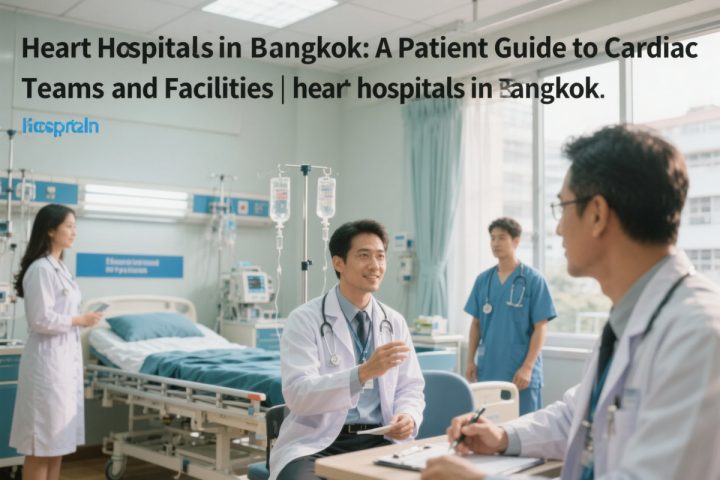
Understanding the Landscape of Heart Hospitals in Bangkok
When facing a cardiac emergency or seeking specialized cardiovascular care, the choice of medical facility is one of the most critical decisions a patient can make. For international patients and local residents alike, heart hospitals in Bangkok have emerged as a premier destination for advanced medical treatment, combining world-class surgical expertise with exceptional hospitality. The city has cultivated a reputation as a global hub for medical tourism, particularly within the realm of cardiology, where state-of-the-art technology meets highly trained medical professionals.
The demand for high-quality cardiac care in Thailand has driven significant investment in infrastructure, leading to the development of facilities that rival top institutions in the United States, Europe, and Asia. These centers are not merely hospitals; they are comprehensive cardiac institutes equipped with hybrid operating rooms, 24/7 catheterization labs, and dedicated intensive care units designed specifically for heart surgery recovery. Whether a patient requires a routine angiogram, complex valve replacement, or minimally invasive procedures, the ecosystem of cardiac centers in Bangkok offers a diverse range of options tailored to specific clinical needs.
Navigating this landscape can be overwhelming due to the sheer number of choices available. Patients often find themselves weighing factors such as surgeon experience, accreditation status, cost transparency, and the language capabilities of the support staff. Understanding the nuances between different types of facilities—from private tertiary hospitals with renowned heart institutes to specialized standalone cardiac centers—is essential for making an informed decision. This guide aims to demystify the process, providing a clear overview of the teams, technologies, and services that define the standard of care in heart hospitals in Bangkok.
The Structure of Cardiac Care Teams and Multidisciplinary Approach
The cornerstone of successful cardiac treatment in Bangkok is the multidisciplinary team approach. Unlike traditional models where a single doctor might manage all aspects of care, modern cardiac hospitals in Bangkok utilize integrated teams comprising interventional cardiologists, cardiothoracic surgeons, electrophysiologists, imaging specialists, and critical care nurses. This collaborative model ensures that every patient receives a comprehensive evaluation from multiple perspectives before any procedure is performed.
In these specialized departments, the workflow is highly coordinated. A typical case begins with a thorough consultation involving a cardiologist who reviews diagnostic imaging and patient history. If surgery is required, the case is presented at a “Heart Team” meeting, where surgeons and non-surgical specialists discuss the best approach. This rigorous peer-review process is a hallmark of top-tier heart hospitals in Bangkok, ensuring that treatment plans are evidence-based and personalized. It minimizes the risk of errors and optimizes outcomes for complex cases like congenital heart defects or multi-vessel coronary artery disease.
Beyond the physicians, the nursing staff plays a pivotal role in the recovery journey. Nurses in Bangkok’s cardiac units are often internationally trained and fluent in English, Spanish, Arabic, and other major languages, facilitating seamless communication for international patients. They provide continuous monitoring in coronary care units (CCUs) and offer education on lifestyle changes post-discharge. The presence of rehabilitation specialists, dietitians, and physiotherapists further rounds out the team, addressing the holistic needs of the patient from admission through long-term recovery.
Specialized Roles Within the Cardiac Unit
- Interventional Cardiologists: Specialists who perform non-surgical procedures such as angioplasty and stent placement using catheters.
- Cardiothoracic Surgeons: Experts in open-heart surgeries, including bypass grafting (CABG) and valve replacements.
- Electrophysiologists: Doctors who specialize in the heart’s electrical system, managing arrhythmias and implanting devices like pacemakers.
- Anesthesiologists: Critical care experts who manage anesthesia during complex cardiac procedures and monitor vital signs intraoperatively.
- Cardiac Rehabilitation Specialists: Professionals who design exercise and diet programs to help patients recover strength after surgery.
Advanced Technology and Diagnostic Capabilities
The competitiveness of heart hospitals in Bangkok is heavily reliant on their adoption of cutting-edge medical technology. To compete globally, these facilities invest millions in acquiring the latest diagnostic and therapeutic equipment. This technological edge allows for earlier detection of heart conditions and more precise, less invasive treatments. Patients traveling to Bangkok for cardiac care can expect access to high-field MRI machines, 64-slice and 128-slice CT scanners, and advanced echocardiography systems that provide detailed 3D images of the heart structure and function.
One of the most significant advancements in recent years is the proliferation of hybrid operating rooms. These specialized suites combine the capabilities of a traditional operating room with advanced imaging technology, allowing surgeons to perform complex interventions under real-time fluoroscopy or CT guidance. This integration is crucial for minimally invasive procedures, reducing trauma to the patient and shortening hospital stays. In many leading cardiac centers in Bangkok, hybrid rooms are used for transcatheter aortic valve replacement (TAVR), a procedure that avoids the need for open-chest surgery in high-risk patients.
Digital health records and telemedicine platforms are also becoming standard features. Many hospitals now offer remote second opinions and follow-up consultations via secure video links, which is particularly beneficial for international patients who return home after their initial recovery phase. The ability to share digital imaging files instantly among specialists across different continents ensures continuity of care. Furthermore, robotic-assisted surgery systems are increasingly available in top-tier facilities, offering enhanced precision for certain types of valve repairs and bypass surgeries, further cementing Bangkok’s status as a leader in cardiac medical tourism.
Top Facilities and Their Unique Specializations
While there are numerous hospitals offering cardiac services in the capital, a select few have established themselves as the leaders in the field. These institutions often hold international accreditations such as Joint Commission International (JCI) and feature dedicated heart institutes within their larger campus structures. When researching heart hospitals in Bangkok, it is important to recognize that each facility may have a unique area of specialization or a distinct reputation for specific procedures.
For instance, some hospitals are renowned for their high-volume transplant programs and complex congenital heart defect repairs, while others excel in interventional cardiology and stroke management. The Bumrungrad International Hospital, for example, is frequently cited for its comprehensive cardiac center and extensive experience with international patients. Similarly, Siriraj Hospital, a government-run teaching hospital, is known for its academic excellence and handling of complex, rare cases that require deep research and specialized knowledge. Private hospitals like Samitivej and Bangkok Heart Hospital focus heavily on patient experience and rapid recovery protocols.
Choosing the right facility often depends on the specific nature of the cardiac condition. A patient needing a routine stent placement might prioritize convenience and speed, whereas someone requiring a multi-valve replacement or a mechanical heart pump might seek out a center with a proven track record in high-risk surgeries. The diversity of options in Bangkok means that almost every type of cardiac case can be matched with a facility that specializes in that particular area of medicine.
Key Features of Leading Cardiac Centers
- JCI Accreditation: Ensures adherence to strict international safety and quality standards.
- Dedicated ICUs: Specialized Coronary Care Units (CCU) with 1:1 nurse-to-patient ratios.
- International Patient Services: Dedicated concierge teams to handle visas, accommodation, and translation.
- 24/7 Emergency Response: Immediate availability of catheterization labs and surgical teams.
- Research and Development: Active participation in clinical trials and adoption of new techniques.
Cost Considerations and Insurance Coverage
One of the primary drivers for choosing heart hospitals in Bangkok is the cost advantage compared to Western nations. While prices vary significantly based on the complexity of the procedure, the hospital tier, and the surgeon’s seniority, the savings can be substantial even when accounting for travel and accommodation expenses. Generally, cardiac surgeries in Bangkok can cost 50% to 70% less than in the United States or the United Kingdom. However, it is crucial for patients to understand what is included in the quoted price to avoid unexpected financial burdens.
| Procedure Type | Estimated Cost Range (USD) | Typical Hospital Stay | Notes |
|---|---|---|---|
| Diagnostic Angiography | $2,500 – $4,500 | 1–2 Days | Includes contrast dye and physician fees. |
| Percutaneous Coronary Intervention (PCI/Stent) | $6,000 – $12,000 | 2–4 Days | Cost varies by number of stents used. |
| Coronary Artery Bypass Graft (CABG) | $18,000 – $35,000 | 7–10 Days | Depends on number of vessels bypassed. |
| Valve Replacement (Mechanical/Biological) | $20,000 – $40,000 | 7–12 Days | Includes valve cost and ICU stay. |
| TAVR Procedure | $35,000 – $55,000 | 5–7 Days | Highly specialized, requires advanced imaging. |
| Heart Transplant | $90,000 – $150,000+ | 14–21 Days | Excludes long-term immunosuppressant costs. |
Insurance coverage for international patients can be complex. Many heart hospitals in Bangkok have direct billing agreements with major international insurance providers, but pre-authorization is almost always required before admission. Patients should contact their insurance provider to verify coverage limits for overseas treatment. Some policies cover only a percentage of the cost or exclude pre-existing conditions. Alternatively, self-pay packages are widely available and often include a bundled rate covering surgery, anesthesia, medication, and room charges, which can be more cost-effective for those without international insurance.
It is also important to consider the “hidden” costs, such as the length of stay required for recovery before flying home. Most surgeons recommend staying in Bangkok for at least two weeks after major surgery to ensure stability. Extended stays increase accommodation and living expenses. Therefore, when comparing quotes from different cardiac centers in Bangkok, patients should request a detailed breakdown of all potential costs, including extended ICU days if complications arise, to get a true picture of the financial commitment.
The Patient Journey: From Admission to Discharge
The experience of receiving treatment at a top-tier heart hospital in Bangkok is designed to be streamlined and supportive, especially for international visitors. The journey typically begins with a virtual consultation or email exchange where medical records are reviewed. Once a treatment plan is agreed upon, the hospital’s international patient department assists with visa applications, airport transfers, and hotel bookings. Upon arrival, patients are greeted by a dedicated care coordinator who guides them through the admissions process, eliminating language barriers and administrative confusion.
The diagnostic phase involves a series of tests, including blood work, ECGs, echocardiograms, and stress tests, usually completed within the first 24 to 48 hours. During this time, the multidisciplinary team finalizes the surgical or interventional plan. On the day of the procedure, the patient is taken to the operating theater, where the surgery is performed by the lead surgeon and their team. Post-procedure, the patient is moved to the Coronary Care Unit (CCU) for close monitoring. Here, the focus shifts to pain management, wound care, and early mobilization.
Recovery in Bangkok is often accelerated due to the high nurse-to-patient ratio and the emphasis on early ambulation. Physical therapists begin working with patients within a day or two of surgery to prevent complications like pneumonia or blood clots. Before discharge, the patient undergoes a final evaluation to ensure vital signs are stable and medications are understood. The hospital provides a comprehensive discharge summary in English, detailing the procedure, post-operative instructions, and a schedule for follow-up appointments. Many hospitals also arrange for the patient to meet with a local doctor in their home country to facilitate continuity of care.
Post-Operative Recovery Protocols
Recovery protocols in heart hospitals in Bangkok are rigorous and standardized. Patients are encouraged to participate in cardiac rehabilitation programs, which may include supervised exercise sessions and dietary counseling. The psychological aspect of recovery is also addressed, with counselors available to help patients cope with the stress of a major cardiac event. The goal is not just to heal the heart physically but to restore the patient’s confidence and quality of life. Families are actively involved in the care process, with visiting hours flexible enough to accommodate international relatives who may fly in to support the patient.
Choosing the Right Surgeon and Facility
Selecting the appropriate surgeon and facility is perhaps the most critical step in the decision-making process for anyone considering heart hospitals in Bangkok. While the infrastructure is impressive, the human element—the skill and experience of the medical team—is paramount. Patients should look for surgeons who are members of recognized international societies, such as the American College of Cardiology (ACC) or the European Society of Cardiology (ESC), and who have published research in peer-reviewed journals.
Experience volume is another key indicator of quality. Studies consistently show that surgeons and hospitals that perform a higher volume of specific procedures tend to have better outcomes and lower complication rates. When evaluating cardiac centers in Bangkok, ask about the annual volume of the specific procedure you need. A surgeon who performs dozens of TAVR procedures annually will likely be more proficient than one who does them occasionally. Additionally, checking patient testimonials and success rates can provide insight into the real-world performance of the hospital.
Accreditation serves as a baseline guarantee of safety and quality. Look for JCI accreditation, which requires hospitals to meet rigorous standards in patient safety, infection control, and staff qualifications. Other relevant certifications include ISO standards for medical equipment and laboratory testing. By verifying these credentials, patients can ensure they are entering a facility that prioritizes safety and adheres to global best practices. Ultimately, the decision should be based on a combination of medical expertise, facility capabilities, and the level of compassionate care provided throughout the journey.
Frequently Asked Questions
What is the average cost of a heart surgery in Bangkok?
The cost of heart surgery in Bangkok varies depending on the procedure, but generally ranges from $18,000 to $40,000 for major operations like bypass or valve replacement. This is significantly lower than costs in the US or UK. However, prices can fluctuate based on the hospital tier, the complexity of the case, and the length of the hospital stay. It is advisable to request a detailed quote from the hospital’s international patient office.
Do I need a visa to receive medical treatment in Thailand?
Yes, most international patients require a medical visa (Non-Immigrant OA or OX visa) to enter Thailand for treatment. However, many heart hospitals in Bangkok offer assistance with the visa application process, providing necessary invitation letters and documentation. Some nationalities may be eligible for a Visa on Arrival or exemption depending on their country of origin and the duration of their stay, so it is best to consult with the hospital’s patient liaison team.
How long should I stay in Bangkok after heart surgery?
For most major cardiac surgeries, such as CABG or valve replacement, doctors recommend staying in Bangkok for at least 14 to 21 days post-operation. This period allows for the removal of drains and sutures, monitoring for complications, and stabilization of vital signs. Shorter stays may be possible for less invasive procedures like angioplasty, but a minimum of 5 to 7 days is still typically advised to ensure safe recovery before air travel.
Are the doctors in Bangkok hospitals fluent in English?
Yes, the vast majority of senior cardiologists and cardiothoracic surgeons in top-tier heart hospitals in Bangkok are fluent in English. Many have received their training or board certification in English-speaking countries like the US, UK, or Australia. Additionally, these hospitals employ dedicated medical interpreters and international patient coordinators to ensure clear communication throughout the entire treatment process.
Can I bring my family with me during my treatment?
Absolutely. Most cardiac centers in Bangkok are very family-friendly and encourage the presence of family members during the recovery period. Hospitals often have guest houses or partner hotels nearby with discounted rates for families. Visiting hours are flexible, and some facilities even provide sleeping arrangements or amenities for caregivers to stay comfortably alongside the patient.
Sources
- Joint Commission International (JCI) – Healthcare Accreditation
- American Heart Association – Medical Guidelines
- Ministry of Public Health Thailand – Official Health Statistics
- Bumrungrad International Hospital – Cardiac Center Information
- Siriraj Hospital – Department of Medicine/Cardiology
- Samitivej Hospital – Heart Institute
- Tourism Authority of Thailand – Medical Tourism Hub