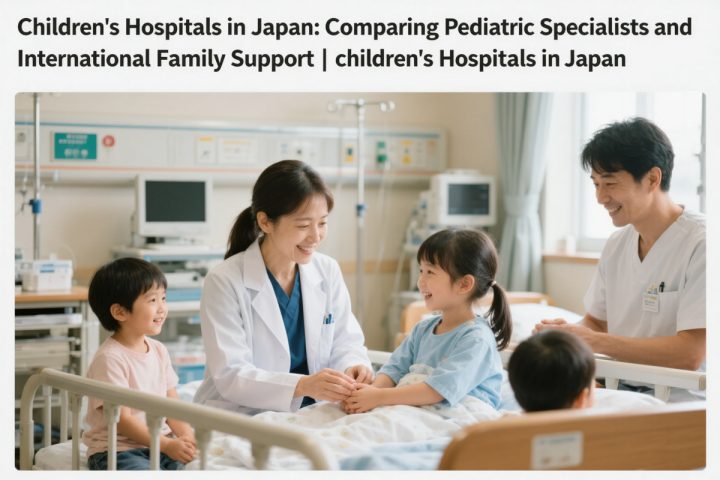
Understanding the Landscape of Pediatric Care in Japan
When families face a serious medical emergency or require specialized treatment for their children, finding the right facility is one of the most critical decisions they will make. For international parents considering medical travel, children’s hospitals in Japan represent a unique convergence of cutting-edge technology, highly trained specialists, and a distinct cultural approach to patient care. The reputation of Japanese healthcare extends far beyond domestic borders, drawing patients from across Asia and the West who seek precision medicine that often rivals or exceeds standards found in other major global hubs.
The decision to seek treatment abroad involves navigating complex systems, language barriers, and varying insurance protocols. However, the infrastructure supporting pediatric specialists in Japan has evolved significantly over the last two decades to accommodate international needs. This evolution includes dedicated international offices, multilingual support staff, and streamlined admission processes designed specifically for foreign families. Understanding these nuances is essential for any parent evaluating options outside their home country.
Beyond the technical capabilities, the environment within top-tier facilities offers a level of cleanliness, order, and family-centered attention that many visitors find remarkable. From the layout of pediatric wards to the availability of play therapy and psychological support, the holistic approach to healing is deeply embedded in the Japanese medical philosophy. This article provides a comprehensive comparison of leading institutions, detailing how they differ in terms of specialization, international services, and the overall experience for families seeking advanced pediatric care.
Key Features of Top-Tier Pediatric Facilities
The landscape of children’s hospitals in Japan is dominated by a mix of government-funded national centers and prestigious private university-affiliated institutions. Each type of hospital brings a different set of strengths to the table, influencing the type of care a family might receive. National centers often handle the most complex, rare, and life-threatening cases, serving as referral hubs for the entire country. These facilities are equipped with the most advanced diagnostic imaging, robotic surgery suites, and intensive care units capable of managing multiple organ failures simultaneously.
In contrast, private university hospitals frequently offer a more personalized service model, often with shorter wait times for consultations and elective procedures. While public hospitals excel in mass-scale trauma and rare disease research, private institutions often prioritize comfort, privacy, and direct access to senior specialists. For international families, the choice between these two models can depend heavily on the urgency of the condition and the specific type of follow-up care required. Both sectors, however, maintain rigorous accreditation standards that ensure high-quality outcomes.
A defining characteristic of modern Japanese pediatric departments is the integration of multidisciplinary teams. Unlike some Western systems where a child might see separate specialists for different issues, Japanese hospitals often utilize “case conferences” where surgeons, oncologists, radiologists, and nurses collaborate daily to create a unified treatment plan. This collaborative approach ensures that every aspect of a child’s health is considered, reducing the risk of fragmented care. Families benefit from this coordinated effort, receiving clear, consistent information from a single point of contact within the hospital administration.
National vs. Private Institutions: A Strategic Comparison
Selecting the right institution requires understanding the operational differences between national and private entities. National children’s hospitals, such as those affiliated with the National Center for Child Health and Development (NCCHD), are the gold standard for rare diseases and complex congenital anomalies. They serve as the primary referral center for the nation, meaning they see the highest volume of difficult cases. Consequently, the specialists here are often world leaders in their specific fields, having treated thousands of similar conditions. However, the sheer volume of patients can sometimes lead to longer waiting periods for non-emergency appointments.
Private university hospitals, such as Keio University Hospital or St. Luke’s International Hospital, often position themselves as premium providers for international clients. These facilities typically have dedicated international desks that handle everything from visa assistance to translation services. The patient-to-staff ratio is generally higher, allowing for more time during consultations and bedside interactions. For families who value convenience, privacy, and rapid access to senior doctors, these private institutions may be the preferred choice, even if the cost structure differs slightly from the public system.
Comparing Pediatric Specializations Across Major Hospitals
While many general pediatric departments exist, the true strength of children’s hospitals in Japan lies in their subspecialty divisions. When searching for the best care, families must identify which hospital excels in the specific area of medicine their child requires. Whether it is pediatric oncology, neurosurgery, cardiology, or orthopedics, the depth of expertise varies significantly between institutions. Some hospitals are renowned globally for their surgical techniques, while others lead in medical management and long-term rehabilitation.
For instance, certain centers have established world-class programs for pediatric heart surgery, utilizing minimally invasive techniques that reduce recovery time. Others specialize in complex neurological conditions, offering advanced brain mapping and epilepsy monitoring that allows for precise interventions. The ability to compare these specializations is crucial for making an informed decision. Parents should not assume that a large hospital is automatically the best for every condition; rather, they should look for the specific departmental reputation that matches their child’s diagnosis.
The following table outlines a comparative overview of leading institutions and their areas of recognized excellence, providing a quick reference for families evaluating their options.
| Hospital Name | Primary Focus & Specialization | International Support Level | Notable Strengths |
|---|---|---|---|
| National Center for Child Health and Development (NCCHD) | Rare diseases, complex congenital anomalies, oncology | High (Dedicated International Office) | National referral hub, extensive research, multidisciplinary case conferences |
| Kyoto Prefectural University of Medicine Hospital | Pediatric surgery, liver transplantation, neurology | Moderate to High | Advanced transplant programs, strong regional reputation, experienced surgical team |
| St. Luke’s International Hospital | Cardiology, oncology, general pediatrics | Very High (English-speaking staff available) | Premium international services, centralized location in Tokyo, high patient comfort |
| Keio University Hospital | Neurosurgery, hematology, immunology | High | Cutting-edge research, academic leadership, comprehensive care network |
| Osaka Women’s and Children’s Medical Center | Perinatal care, neonatal intensive care, genetics | Moderate | Specialized neonatal unit, strong genetic counseling services |
The Role of Pediatric Specialists and Multidisciplinary Teams
At the core of successful treatment in children’s hospitals in Japan are the pediatric specialists who combine decades of training with a deep commitment to child development. These doctors are not merely technicians; they are educators and advocates who understand the psychological impact of illness on a growing child. In many cases, the specialist will spend significant time explaining the procedure in plain language, ensuring the child feels safe and understood before any intervention takes place. This communication style is a hallmark of Japanese medical practice and is increasingly being adopted by international-facing departments.
The concept of the multidisciplinary team is particularly vital in Japan. A typical case involving a complex condition like a rare tumor or a congenital heart defect will involve a team comprising a pediatric surgeon, a pediatric oncologist, a radiologist, a pathologist, and a nurse practitioner. These professionals meet regularly to review imaging, discuss biopsy results, and formulate a consensus treatment plan. This “round table” approach minimizes the risk of conflicting advice and ensures that the family receives a unified strategy. For international families, this coordination is often managed by a dedicated case manager who acts as the liaison between the medical team and the parents.
Furthermore, the training pipeline for these specialists is rigorous. Many attend top medical schools and complete fellowships in highly competitive sub-specialties. It is common for senior physicians to have published extensively in international journals and to participate in global clinical trials. This exposure means that the treatment protocols offered at leading Japanese pediatric centers are often aligned with the latest global standards, incorporating new drugs, surgical techniques, and diagnostic tools as soon as they become available. Families can feel confident that their child is being treated with the most current evidence-based medicine available.
Diagnostic Precision and Advanced Technology
Japan is a global leader in medical technology, and this innovation is readily accessible within its major children’s hospitals. From high-resolution MRI machines to robotic-assisted surgical systems, the equipment used in pediatric departments is state-of-the-art. The use of low-radiation imaging protocols is also a priority, reflecting a deep concern for the long-term health of young patients. Diagnostic accuracy is paramount, and the combination of advanced hardware with expert interpretation allows for earlier detection and more precise targeting of treatments.
Robotic surgery, for example, has been integrated into many pediatric programs, allowing for smaller incisions, less blood loss, and faster recovery times compared to traditional open surgery. This is particularly beneficial for delicate procedures in the abdomen or chest cavity. Additionally, the use of 3D printing technology for pre-surgical planning enables surgeons to visualize complex anatomical structures in detail before entering the operating room. These technological advantages contribute to the high success rates observed in Japanese pediatric care and provide a compelling reason for international families to consider these facilities.
International Family Support Services and Logistics
One of the most significant hurdles for families traveling to Japan for medical care is the language barrier and the complexity of the local healthcare system. To address this, many top-tier children’s hospitals in Japan have developed robust international support frameworks. These services go beyond simple translation; they encompass the entire journey, from the initial inquiry to post-treatment follow-up. Dedicated international offices act as a central hub, coordinating appointments, arranging accommodation, and facilitating communication between the medical team and the family.
Translation services are typically provided by certified medical interpreters who are fluent in English, Chinese, Korean, and other major languages. These interpreters do not just translate words; they convey cultural context and medical nuance, ensuring that consent forms are fully understood and that the family’s questions are answered accurately. In addition to verbal translation, many hospitals provide translated versions of discharge summaries, medication instructions, and educational materials. This attention to detail helps prevent misunderstandings that could compromise the safety of the child after returning home.
Beyond medical logistics, hospitals often assist with practical arrangements such as housing and transportation. Recognizing that families may need to stay in Japan for weeks or months, many institutions have partnerships with nearby hotels or serviced apartments that cater to medical travelers. Some hospitals even offer shuttle services to transport patients and their families to and from the facility. By handling these logistical challenges, the hospital allows the parents to focus entirely on their child’s recovery, reducing the stress associated with being in a foreign country.
Navigating Insurance and Financial Considerations
Understanding the financial aspects of seeking treatment at children’s hospitals in Japan is a critical step for international families. Japan operates a universal health insurance system for residents, but international patients are generally classified as self-pay or covered under specific international insurance plans. Most hospitals require full payment upfront or a substantial deposit before admission, although some may accept direct billing from major international insurance providers. It is essential for families to verify their coverage with their insurance company before traveling.
The cost of medical care in Japan can vary widely depending on the complexity of the procedure, the length of the hospital stay, and the specific hospital chosen. While Japan is often more affordable than the United States for many procedures, it can be comparable to or slightly more expensive than European countries. Families should request a detailed cost estimate from the hospital’s international office, including fees for consultation, surgery, anesthesia, medication, and nursing care. Transparency in pricing is becoming more common, with many hospitals providing itemized breakdowns to help families budget effectively.
Additionally, families should be aware of potential hidden costs, such as interpreter fees, accommodation expenses, and travel costs. Some hospitals offer financial counseling services to help families navigate these expenses and explore financing options. Planning ahead and securing all necessary funds is crucial to avoid disruptions in care. By addressing these financial considerations early, families can ensure a smooth and uninterrupted treatment process.
The Admission Process and Patient Journey
Entering a Japanese hospital as an international patient follows a structured process designed to ensure efficiency and safety. The journey typically begins with an initial inquiry, either through email, phone, or an online form submitted to the hospital’s international office. During this stage, the family provides medical records, imaging results, and a summary of the child’s condition. The hospital then reviews this information to determine eligibility for treatment and assigns a relevant specialist to the case.
Once the initial assessment is complete, the hospital issues a treatment plan and a cost estimate. If the family agrees to proceed, they will be asked to submit a deposit and arrange for a visa. The Japanese government has introduced specific medical visas for patients and their accompanying family members, simplifying the entry process. Upon arrival, the patient undergoes a final physical examination and additional tests if necessary to confirm the diagnosis and finalize the treatment plan.
The actual treatment phase involves close collaboration between the medical team and the family. Regular updates are provided, and the family is encouraged to ask questions. After the procedure, the child enters a recovery period, which may include physical therapy, nutritional support, and psychological counseling. Once the child is stable, the hospital prepares a comprehensive discharge summary and arranges for follow-up care, which may include telemedicine consultations with the family’s local doctors. This continuity of care is essential for long-term health outcomes.
Preparing for Your Visit: A Step-by-Step Guide
To ensure a smooth experience when visiting children’s hospitals in Japan, families should follow a clear preparation checklist. The following steps outline the key actions required before and during the trip:
- Gather Medical Documentation: Collect all relevant medical records, including recent test results, imaging scans (on CD or digital format), and a detailed history of the child’s condition. Ensure these documents are translated into English if possible.
- Contact the International Office: Reach out to the hospital’s international department to schedule a preliminary consultation and request a cost estimate. Ask about available interpreters and accommodation options.
- Verify Insurance Coverage: Contact your insurance provider to confirm what services are covered abroad. Obtain pre-authorization if required and understand the reimbursement process.
- Arrange Travel and Visa: Book flights and secure the appropriate medical visa. Ensure you have travel insurance that covers medical emergencies and evacuation.
- Prepare for Cultural Differences: Familiarize yourself with Japanese customs, such as removing shoes indoors and maintaining quiet in public spaces. Pack comfortable clothing and necessary personal items for a potentially long stay.
Cultural Nuances in Pediatric Care
Understanding the cultural context of healthcare in Japan is as important as understanding the medical facts. Japanese society places a high value on harmony, respect, and meticulous attention to detail, all of which are reflected in the hospital environment. For international families, this can manifest as a very polite and formal interaction style, where doctors and nurses are exceptionally courteous and attentive. However, this formality can sometimes be misinterpreted as distance or lack of empathy by those accustomed to more casual Western interactions.
Another cultural aspect is the emphasis on family involvement in the care process. In many Japanese hospitals, parents are expected to be active participants in the daily care of their child, assisting with feeding, hygiene, and mobility exercises. This hands-on approach empowers parents and fosters a strong bond between the family and the medical team. However, it also requires a willingness to adapt to the hospital’s routines and schedules. Families should be prepared to engage actively and follow the guidance of the nursing staff regarding care protocols.
The concept of “omotenashi,” or wholehearted hospitality, is also prevalent in Japanese healthcare. This philosophy drives staff to anticipate the needs of patients and families before they are even expressed. From the cleanliness of the rooms to the warmth of the welcome, every detail is curated to ensure patient comfort. While this level of service is standard, it can be a refreshing change for families dealing with the stress of a serious illness. Embracing these cultural nuances can enhance the overall experience and build trust with the medical team.
Risks, Benefits, and Decision Factors
Deciding to seek treatment at children’s hospitals in Japan involves weighing several factors, including the benefits of advanced care against the risks of medical travel. One of the primary benefits is access to specialized expertise that may not be available locally. For rare conditions or complex surgeries, Japanese specialists often have more experience and better outcomes due to the high volume of cases they handle. Additionally, the safety and hygiene standards in Japanese hospitals are among the highest in the world, minimizing the risk of hospital-acquired infections.
However, there are risks to consider. The language barrier, even with interpreters, can occasionally lead to misunderstandings. The cost of treatment and travel can be prohibitive for some families, and the logistics of coordinating care across borders can be stressful. Furthermore, the legal framework for medical malpractice in Japan differs from that in Western countries, which may affect recourse in the event of an adverse outcome. Families must carefully evaluate these risks and consult with their local doctors to determine if the potential benefits outweigh the challenges.
Ultimately, the decision should be based on a thorough assessment of the child’s medical needs, the family’s resources, and the specific capabilities of the target hospital. For many families, the prospect of receiving world-class care in a clean, organized, and supportive environment makes the journey worthwhile. By conducting extensive research and engaging with hospital representatives early, families can make an informed choice that prioritizes the health and well-being of their child.
Frequently Asked Questions
What is the typical cost of treatment for children’s hospitals in Japan?
The cost of treatment varies significantly depending on the procedure, the length of stay, and the specific hospital. Generally, children’s hospitals in Japan are more affordable than those in the United States but may be comparable to or slightly higher than costs in Europe. Families should expect to pay for consultation fees, surgery, anesthesia, medication, and nursing care. It is advisable to request a detailed cost estimate from the hospital’s international office before traveling, as most facilities require full payment or a substantial deposit upfront for international patients.
Do Japanese children’s hospitals offer English-speaking staff?
Yes, many leading children’s hospitals in Japan have dedicated international offices that provide English-speaking staff and certified medical interpreters. These interpreters assist with consultations, consent forms, and daily communication between the medical team and the family. While not all doctors may speak fluent English, the presence of professional interpreters ensures that accurate medical information is conveyed. It is recommended to confirm the availability of English support when contacting the hospital initially.
How long does the admission process take for international patients?
The admission process typically takes a few weeks, depending on the urgency of the condition and the completeness of the medical records provided. Families usually start by submitting medical documents for review, followed by a preliminary consultation and cost estimate. Once the treatment plan is agreed upon and the deposit is paid, the hospital assists with visa applications and travel arrangements. For urgent cases, some hospitals may expedite the process to facilitate immediate admission.
Can I bring my child’s medical records to the hospital?
Yes, bringing comprehensive medical records is essential. Families should gather all relevant documents, including past medical history, recent test results, imaging scans (preferably on CD or digital format), and a summary of previous treatments. It is helpful to have these documents translated into English if possible, though hospitals can often work with Japanese translations as well. Providing complete records allows the specialists to make an accurate assessment and develop an effective treatment plan quickly.
Is there a specific visa for medical treatment in Japan?
Yes, Japan offers a specific “Medical Treatment” visa for foreign patients and their accompanying family members. This visa allows individuals to stay in Japan for the duration of their treatment and recovery. To apply, families typically need a letter of invitation or certification from the hospital, proof of financial capability, and a valid passport. The hospital’s international office can often assist with the documentation required for the visa application, streamlining the process for international patients.
Sources
- National Center for Child Health and Development (NCCHD) – International Patients
- Ministry of Foreign Affairs of Japan – Medical Treatment in Japan
- St. Luke’s International Hospital – International Services
- Keio University Hospital – International Patient Support
- Ministry of Health, Labour and Welfare – Healthcare System Overview