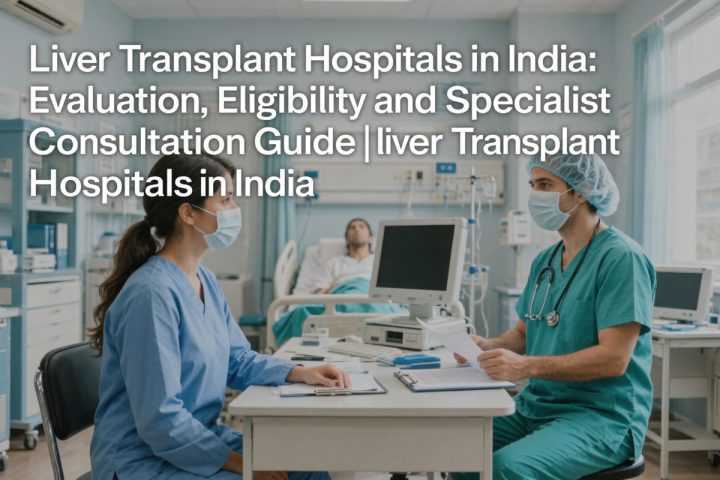
Understanding the Landscape of Liver Transplant Hospitals in India
When facing end-stage liver disease, finding a center that offers not just surgical expertise but comprehensive care is a matter of life and death. Liver transplant hospitals in India have emerged as global leaders, providing world-class medical infrastructure at a fraction of the cost found in Western nations. This surge in international medical tourism is driven by highly qualified hepatologists, advanced technology, and rigorous adherence to safety protocols. For patients and their families navigating this critical journey, understanding the ecosystem of these specialized centers is the first step toward recovery.
The decision to travel for treatment involves evaluating multiple factors beyond just price. Patients must consider the hospital’s accreditation, the experience of the surgical team, post-operative care facilities, and the logistical support available for international travelers. The landscape of liver transplant hospitals in India is vast, ranging from premier government institutes to private multi-specialty super-specialty centers. Each institution brings unique strengths, whether it is high-volume pediatric transplants or complex re-transplantation cases. A thorough evaluation helps patients align their specific medical needs with the right facility.
Furthermore, the regulatory environment in India ensures that all transplant procedures are conducted under strict guidelines set by the Transplantation of Human Organs and Tissues Act (THOTA). This legal framework protects donors and recipients alike, ensuring ethical practices throughout the process. As the demand for organ transplantation grows, these hospitals continue to refine their protocols, integrating cutting-edge immunosuppression therapies and minimally invasive techniques. Understanding these nuances allows patients to make informed decisions when seeking consultation and treatment abroad.
Critical Criteria for Evaluating Liver Transplant Centers
Selecting the right facility requires a deep dive into several key performance indicators that distinguish top-tier institutions from others. The volume of surgeries performed annually is often the most reliable indicator of a center’s proficiency. High-volume centers typically report lower complication rates and better long-term survival statistics because their teams have refined their workflows through repetition and experience. When researching liver transplant hospitals in India, prospective patients should inquire about the annual number of deceased donor and living donor transplants performed specifically by the lead surgeon and the multidisciplinary team.
Beyond surgical volume, the composition of the multidisciplinary team is paramount. A successful liver transplant is not solely the responsibility of the surgeon; it requires the seamless collaboration of hepatologists, anesthesiologists, radiologists, infectious disease specialists, dietitians, and psychosocial counselors. Leading hospitals in India maintain dedicated liver units where these experts work together daily. This holistic approach ensures that every aspect of the patient’s health is managed, from pre-operative optimization to post-operative rehabilitation. The presence of a dedicated intensive care unit (ICU) with specialized nursing staff trained in organ transplantation is another non-negotiable criterion.
Accreditation serves as a third pillar of evaluation. Hospitals accredited by the National Accreditation Board for Hospitals & Healthcare Providers (NABH) or those holding Joint Commission International (JCI) certification adhere to stringent international quality standards. These accreditations verify that the facility maintains safe infection control practices, has robust emergency response systems, and follows evidence-based clinical protocols. Additionally, transparency in reporting outcomes is a hallmark of reputable liver transplant hospitals in India. Institutions that willingly share their success rates, graft survival data, and complication profiles demonstrate confidence in their capabilities and a commitment to patient trust.
Technology and Infrastructure Capabilities
Modern liver transplantation relies heavily on advanced technological infrastructure. State-of-the-art operating theaters equipped with intraoperative ultrasound, fluorescence imaging, and robotic assistance can significantly enhance surgical precision. Furthermore, the availability of advanced diagnostic tools such as high-resolution MRI, CT angiography, and elastography is crucial for accurate pre-operative assessment. These technologies help surgeons map the vascular anatomy of the liver, identify potential risks, and plan the procedure meticulously. In the context of liver transplant hospitals in India, many leading centers have invested heavily in these technologies to compete globally and ensure optimal patient outcomes.
Post-operative monitoring is equally dependent on sophisticated equipment. Advanced ICU setups with continuous hemodynamic monitoring, mechanical ventilation, and extracorporeal membrane oxygenation (ECMO) support are essential for managing critically ill patients immediately after surgery. The ability to quickly detect and treat complications such as primary non-function, vascular thrombosis, or biliary leaks can be the difference between recovery and failure. Therefore, when evaluating potential hospitals, it is vital to assess the technical readiness of their intensive care and recovery wards.
Eligibility Requirements and Medical Assessment Process
Before any surgical intervention can be planned, a rigorous medical assessment determines a patient’s eligibility for a liver transplant. This process is designed to ensure that the benefits of the procedure outweigh the risks. Candidates must undergo a comprehensive evaluation including blood tests, imaging studies, cardiac clearance, and pulmonary function tests. The medical team assesses the severity of liver disease using scoring systems like the Model for End-Stage Liver Disease (MELD) score, which helps prioritize patients based on the urgency of their condition. For liver transplant hospitals in India, this assessment phase is thorough and often takes several days to complete.
Psychological and social evaluations are also integral parts of the eligibility criteria. Living donation, which is common in India, requires extensive screening of the donor to ensure they are physically healthy and making the decision voluntarily without coercion. Recipients must demonstrate psychological stability and a strong support system to manage the lifelong commitment of medication and follow-up care. The transplant team evaluates the patient’s ability to adhere to complex medication regimens and lifestyle changes. If a patient has active infections, uncontrolled heart disease, or a history of malignancy within the last few years, they may be deemed ineligible until these conditions are resolved.
Legal documentation plays a significant role in the eligibility process, particularly regarding organ donation laws. In India, the Transplantation of Human Organs and Tissues Act strictly regulates who can donate and receive organs. Relatives up to the fifth degree can donate, but non-related donations require approval from a state-level authorization committee. This legal hurdle is designed to prevent organ trafficking and ensure ethical practices. Patients must be prepared to provide proof of relationship and undergo interviews with the committee. Understanding these legal prerequisites early in the consultation process prevents delays and ensures a smooth pathway to treatment.
The Role of the MELD Score in Prioritization
The Model for End-Stage Liver Disease (MELD) score is a critical tool used by liver transplant hospitals in India to prioritize patients on the waiting list. Calculated based on bilirubin, INR, and creatinine levels, this score predicts the risk of death within three months without a transplant. Patients with higher scores are placed higher on the list, reflecting the urgency of their need. While the MELD score is the primary determinant for deceased donor allocation, living donor transplants operate on a different timeline based on medical compatibility and donor availability. Understanding one’s MELD score helps patients and doctors set realistic expectations regarding timing and resource allocation.
Cost Analysis and Financial Planning for Treatment
One of the most compelling reasons for choosing liver transplant hospitals in India is the significant cost advantage compared to the United States or Europe. However, costs can vary widely depending on the type of transplant, the complexity of the case, the duration of hospital stay, and the choice of room category. A typical liver transplant in India ranges from $25,000 to $45,000 USD, whereas similar procedures in the West can exceed $1 million USD. This affordability does not compromise quality, as many Indian centers offer packages that include surgery, ICU stay, medications, and initial follow-ups.
Beyond the immediate surgical costs, patients must budget for pre-operative investigations, post-operative care, and long-term medication. Immunosuppressive drugs are required for life to prevent organ rejection, and the cost of these medications can accumulate over time. Some hospitals offer financial counseling services to help patients navigate insurance coverage or explore financing options. It is important to note that while the upfront cost is lower, hidden expenses such as travel, accommodation for family members, and visa fees should also be factored into the total budget. Comprehensive planning ensures that financial constraints do not interrupt the recovery process.
| Expense Category | Estimated Cost Range (USD) | Notes |
|---|---|---|
| Surgical Procedure Fee | $15,000 – $25,000 | Includes surgeon, anesthesia, and OT charges. |
| Hospital Stay & ICU | $5,000 – $10,000 | Depends on length of stay (typically 14-21 days). |
| Donor Evaluation & Surgery | Included or +$5,000 | Often included in package for related donors. |
| Post-Op Medications (Initial) | $2,000 – $4,000 | First month of immunosuppressants. |
| Diagnostic Tests & Imaging | $1,000 – $2,500 | Pre-op and post-op monitoring. |
Step-by-Step Guide to Specialist Consultation
Navigating the consultation process for a liver transplant requires preparation and clear communication. The journey begins with gathering all relevant medical records, including biopsy reports, imaging scans, and a summary of previous treatments. Many liver transplant hospitals in India offer remote consultation services, allowing patients to submit these documents electronically for an initial review. This preliminary assessment helps determine if the patient is a suitable candidate and provides an estimated treatment plan and cost breakdown before traveling.
- Document Collection: Compile all medical history, recent lab results, and imaging reports (CT/MRI) in digital format.
- Remote Review: Submit documents via the hospital’s portal or email to the international patient department for an expert opinion.
- Video Consultation: Schedule a video call with the lead hepatologist or transplant surgeon to discuss the diagnosis and treatment options.
- Visa Assistance: Once the treatment plan is approved, the hospital will issue an invitation letter to assist with obtaining a medical visa.
- Travel Arrangements: Coordinate flight bookings and accommodation, utilizing the hospital’s assistance services if available.
- In-Person Evaluation: Upon arrival, undergo the final physical examination and confirmatory tests to proceed with scheduling.
This structured approach minimizes confusion and ensures that both the patient and the medical team are aligned on the next steps. During the in-person evaluation, the team will finalize the donor search strategy if a living donor is involved. They will also discuss the specific surgical technique to be used, such as split-liver transplantation or reduced-size grafts, which might be necessary depending on the recipient’s size and the donor’s anatomy.
Living Donor vs. Deceased Donor Transplants
In India, living donor liver transplantation (LDLT) is more prevalent than deceased donor transplantation due to the scarcity of cadaveric organs. LDLT involves removing a portion of the liver from a healthy relative or friend, which then regenerates in both the donor and the recipient. This option significantly reduces waiting times, which can be years for deceased donors in many countries. However, it carries risks for the healthy donor, making the evaluation process extremely rigorous. Liver transplant hospitals in India have established robust ethics committees to ensure that the donor’s health and consent are protected above all else.
Deceased donor transplants, while less common in terms of frequency, offer the advantage of eliminating the risk to a living person. The waiting list for these organs is managed centrally, and allocation is based on medical urgency. For patients who do not have a willing and eligible living donor, pursuing a deceased donor option requires patience and careful monitoring of their status. The choice between living and deceased donation depends on individual circumstances, including the availability of a suitable donor, the urgency of the condition, and the patient’s personal preferences.
- Living Donor Benefits: Shorter wait time, scheduled surgery, known donor health status.
- Living Donor Risks: Surgical risk to the donor, potential for complications, ethical scrutiny.
- Deceased Donor Benefits: No risk to a living person, larger organ availability for some cases.
- Deceased Donor Risks: Long waiting periods, unpredictable timing, potential for ischemia-reperfusion injury.
Recovery Protocols and Post-Transplant Care
The success of a liver transplant extends far beyond the operating room; it hinges on meticulous post-operative care and long-term management. Immediately after surgery, patients spend several weeks in the ICU and then a general ward, where the medical team monitors for signs of rejection, infection, or bleeding. Liver transplant hospitals in India emphasize a multidisciplinary recovery approach, involving physiotherapists, nutritionists, and pharmacists to optimize healing. Early mobilization and nutritional support are critical components of this phase to prevent muscle wasting and promote graft function.
Long-term care involves lifelong adherence to immunosuppressive therapy to prevent the body from rejecting the new organ. Regular follow-up appointments are essential to monitor drug levels, liver function tests, and overall health. Patients are educated on recognizing early signs of rejection, such as fever, jaundice, or abdominal pain, and are instructed to seek immediate medical attention if these symptoms occur. The psychological well-being of the patient is also addressed, with counseling services available to help them adjust to their new life and manage anxiety related to the transplant.
Many hospitals in India now offer telemedicine services for post-transplant follow-ups, allowing international patients to consult with their doctors remotely once they return home. This continuity of care is vital for maintaining the health of the graft and ensuring the patient’s long-term survival. By establishing a strong partnership with the transplant team, patients can navigate the challenges of life after transplantation with confidence and support.
Risks, Complications, and Safety Measures
While liver transplantation is a life-saving procedure, it is not without risks. Potential complications include surgical site infections, bile duct leaks, vascular thrombosis, and acute or chronic rejection. Reputable liver transplant hospitals in India employ advanced protocols to mitigate these risks, including the use of prophylactic antibiotics, precise surgical techniques, and close monitoring in the ICU. The incidence of major complications has decreased significantly in high-volume centers due to improved surgical skills and better post-operative care.
Patients must be aware of the possibility of opportunistic infections due to the immunosuppressed state. Preventive measures, such as vaccination updates and prophylactic antimicrobial therapy, are standard practice. Additionally, the risk of recurrence of the original liver disease, such as hepatitis C or autoimmune hepatitis, must be managed with appropriate medical therapy. Open communication between the patient and the medical team is essential to address any concerns and manage expectations regarding the recovery trajectory.
Frequently Asked Questions
What is the average success rate for liver transplants in India?
Top-tier liver transplant hospitals in India report one-year graft survival rates exceeding 90% and five-year survival rates around 80-85%, which are comparable to global standards. Success rates depend on various factors including the patient’s overall health, the cause of liver failure, and the type of transplant performed. High-volume centers with experienced teams consistently achieve these excellent outcomes.
Can I bring my own doctor to consult during the treatment?
Yes, patients are encouraged to involve their local physicians in the decision-making process. However, the primary medical care during the surgery and hospital stay in India will be managed by the transplant team at the selected hospital. You can coordinate with your local doctor to share medical records and receive updates, but the on-site specialists will lead the treatment.
How long is the hospital stay for a liver transplant?
The typical hospital stay for a liver transplant in India ranges from 14 to 21 days for uncomplicated cases. Patients in the ICU usually stay for 3 to 7 days, followed by a period in the general ward. The exact duration depends on the patient’s recovery speed and the absence of complications such as infection or rejection.
Is there a waiting list for deceased donor transplants?
Yes, there is a waiting list for deceased donor transplants managed by the national registry. The wait time varies significantly based on blood group, disease severity (MELD score), and organ availability in the region. Due to the scarcity of cadaveric organs, living donor transplants are often recommended to avoid prolonged waiting periods.
What documents are needed for the initial consultation?
For the initial consultation, you will need recent medical records, including blood test results, imaging reports (CT, MRI, Ultrasound), biopsy reports, and a summary of previous treatments. Passport copies and visa details are also required if you are traveling internationally. Most hospitals accept these documents via secure email or online portals for a preliminary review.
Sources
- Ministry of Health and Family Welfare – Transplantation of Human Organs and Tissues Act (THOTA)
- International Agency for Research on Cancer (IARC) – Organ Transplantation Data
- National Accreditation Board for Hospitals & Healthcare Providers (NABH)
- Joint Commission International (JCI) – Hospital Accreditation Standards
- American Association for the Study of Liver Diseases (AASLD) – Guidelines