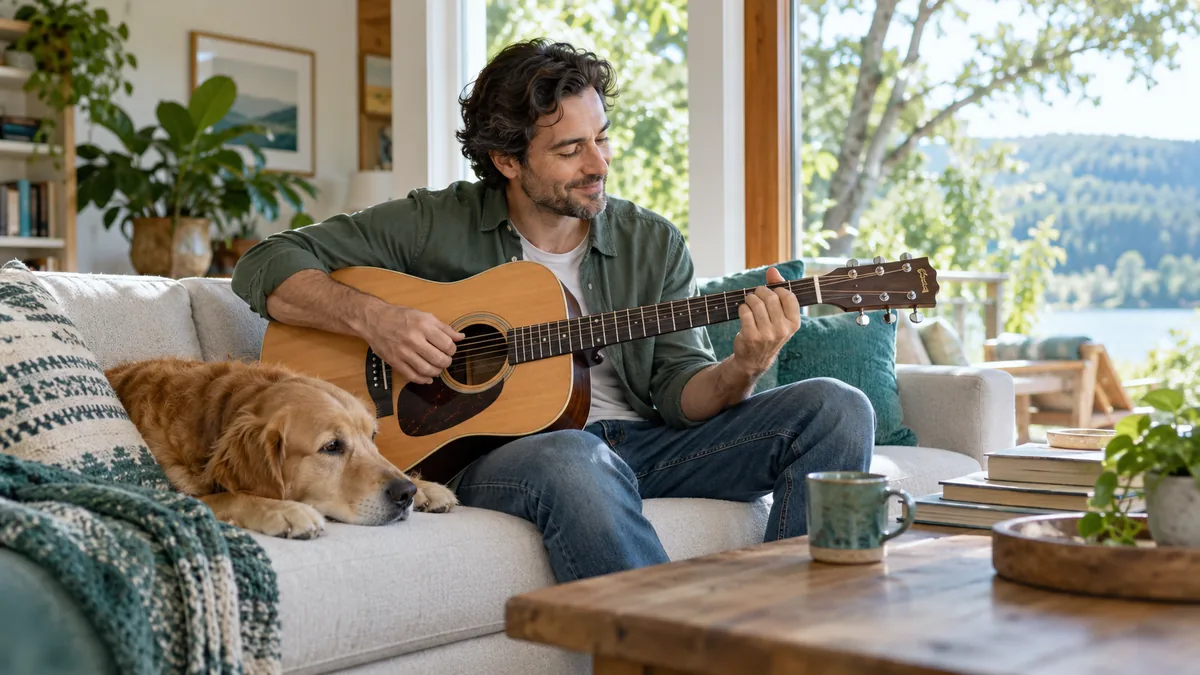

A hobby can quietly disappear when life becomes crowded. The materials remain in a cupboard, the instrument stays in its case, and the activity becomes something you will return to when everything else is finished. That day may not arrive without a deliberate change.
Making room for enjoyment does not require turning your schedule upside down. Start by reducing the effort needed to begin and choosing a small opportunity you can realistically protect. The activity can remain private, imperfect, and free from a practical purpose.
Choose interest over prestige
Ask what you are curious about or what you once enjoyed. Cooking, repairing, drawing, collecting local history, playing games, singing, and tending plants are all possible interests. A hobby does not have to look artistic or impressive to other people.
If you are unsure, try a small experiment rather than declaring a new identity. Borrow a book, attend one introductory session, or use materials already at home. Notice whether you want to return to the activity after the novelty of buying supplies has passed.
The National Institute on Aging describes meaningful activities as one part of healthy aging. That guidance is specific to older adults, but its practical emphasis on personal interest is useful when choosing an activity at any age; it does not establish guaranteed benefits for every hobby.
Lower the starting effort
Identify everything that must happen before you begin. Do you need to clear a table, find tools, locate instructions, or decide what to make? Reduce one of those obstacles.
Keep a small project kit in a container, bookmark the next lesson, or leave a note describing the next step. For music, that might be the page you want to practice. For sewing, it might be the pieces needed for a single seam.
Choose storage that remains safe and accessible, especially around children, pets, or shared spaces. Materials can be easy to reach without leaving sharp tools or small parts unsecured.
Protect a modest session
Look for a repeatable opportunity: twenty minutes after a weekly errand, a short period before an evening program, or part of a weekend morning. Name the activity rather than leaving the time vaguely available.
A short session needs a project of the right size. Sketch one object, learn a few chords, or sort photographs from one event. A large project can be divided into stages that still provide a satisfying stopping point.
Our article on making time for yourself offers ways to negotiate coverage and boundaries when other responsibilities compete. Enjoyment is easier to protect when the practical arrangements are explicit.
Keep improvement optional
You may enjoy learning and setting goals, but you do not have to improve at a measurable rate. Repeating a familiar pattern, playing an easy song, or making something uneven can still be worthwhile.
Be cautious when comparison changes the activity from curiosity to self-evaluation. Online tutorials can help, while polished examples can make beginner work seem inadequate. Limit exposure to accounts or settings that consistently drain your interest.
You also do not need to sell what you make. Monetizing a hobby introduces deadlines, customers, and financial questions that may change the experience. Choose that path only if you want the additional responsibilities.
Adapt materials and methods to your needs
Consider seating, grip, lighting, noise, and the length of time you can comfortably participate. Larger tools, digital formats, audio instruction, or a different work surface may make an activity more accessible.
If a former hobby no longer fits your abilities, identify what you valued about it. Was it working with color, solving problems, being outdoors, or sharing a skill? Another activity may preserve that element without requiring the same movements or conditions.
Cost matters too. Borrow, rent, reuse, or buy small quantities before committing. A group may share equipment, and libraries or community programs may offer introductory access. Check availability and fees rather than assuming every advertised opportunity is free.
Decide whether you want company
Some hobbies offer welcome solitude; others are more enjoyable with people. You can alternate. A recurring group can provide structure, shared knowledge, and contact, while private sessions allow you to follow your own pace.
Choose groups that welcome beginners and respect different abilities. Ask about expectations before joining. If competition or public feedback makes the activity less enjoyable, look for a setting with a different emphasis.
For starting social contact through shared interests, see building meaningful connections. Friendship can develop gradually without becoming the required outcome of every hobby session.
Leave a clear invitation to return
At the end, put away materials in a way that makes the next session easy. Record the next small step if it is not obvious. Avoid spending more time designing a tracking system than doing the activity itself.
Review after a few sessions: did you enjoy it, was setup manageable, and do you want to continue? Change direction if needed. For broader goal setting, see creating meaningful personal goals, while remembering that a hobby may need no goal beyond returning to something you like.
Frequently Asked Questions
Skill is not an entry requirement. Choose a beginner-friendly activity and let early attempts be uneven. You can also explore hobbies that center on collecting, learning, games, or observation.
Yes, chosen enjoyment can take many forms. Consider whether the activity fits your time, budget, and other needs, rather than judging it only by whether it produces a physical object.
Start with a small, familiar part of the activity and check your materials. Avoid making up for lost time. Your interests and abilities may have changed, so give yourself room to adapt.