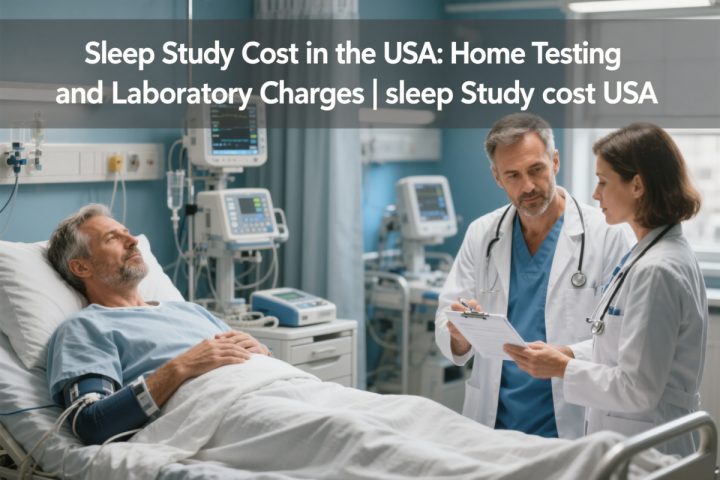
Understanding the Financial Landscape of Sleep Diagnostics
For millions of Americans struggling with chronic fatigue, snoring, or unexplained daytime sleepiness, the path to better health often begins with a diagnostic evaluation. However, before patients can schedule their appointment, they are frequently confronted by a significant barrier: uncertainty regarding the financial investment required for these tests. The sleep study cost USA is a complex topic that varies dramatically depending on the type of testing, the facility chosen, and the specific insurance coverage held by the patient. Whether you are considering a comprehensive laboratory-based polysomnogram or a simpler at-home screening, understanding the breakdown of these charges is essential for making informed healthcare decisions.
The financial reality of sleep medicine in the United States involves a mosaic of factors. Unlike many routine office visits, sleep studies are specialized procedures that require advanced technology, highly trained technologists, and detailed physician interpretation. Consequently, the price tags associated with these services can range from a few hundred dollars for basic home tests to several thousand dollars for in-lab evaluations without insurance. Patients who fail to research these costs beforehand often face unexpected bills, leading to delayed diagnoses and prolonged suffering from untreated sleep disorders like obstructive sleep apnea.
This comprehensive guide aims to demystify the pricing structures surrounding sleep diagnostics. We will explore the distinct differences between in-laboratory and home testing, analyze how insurance plans influence out-of-pocket expenses, and provide a clear comparison of typical fees across different regions and providers. By gaining a deeper understanding of the sleep study cost USA, patients can navigate the healthcare system more effectively, anticipate their financial responsibilities, and prioritize their health without the fear of unforeseen debt. The following sections will break down every component of the billing process, from facility fees to professional interpretation charges.
In-Laboratory Polysomnography: Comprehensive Testing Fees
An in-laboratory sleep study, formally known as an attended polysomnogram (PSG), represents the gold standard for diagnosing sleep disorders. This procedure requires the patient to stay overnight at a dedicated sleep center or a hospital-affiliated facility where a registered sleep technologist monitors them throughout the night. The cost of a sleep study in a lab is significantly higher than home testing due to the extensive resources required. These include the use of sophisticated monitoring equipment, the salary of the medical staff present during the night, and the overhead costs of maintaining a sterile, controlled environment designed for optimal sleep quality.
When calculating the total laboratory charges, it is important to recognize that the bill is rarely a single line item. Instead, it is typically composed of multiple components. The facility fee covers the room, the equipment usage, and the general operational costs of the sleep center. Additionally, there are professional fees charged by the sleep technologist for their time and expertise in setting up the sensors and managing the patient’s care during the night. Finally, a board-certified sleep physician must review the data, interpret the results, and write a formal report for the referring doctor. Each of these professionals bills separately, which can cause the final invoice to appear daunting if not anticipated.
On average, the base price for an in-lab study without any insurance coverage can range widely, often falling between $1,500 and $3,000, though some high-cost metropolitan areas may see prices exceeding $4,000. This variation is driven by regional economic factors, the prestige of the facility, and the complexity of the case. For instance, a study performed at a major university hospital may carry a higher premium than one conducted at a community-based sleep clinic. Furthermore, if the patient requires additional testing, such as a Multiple Sleep Latency Test (MSLT) to diagnose narcolepsy, the costs will increase substantially, potentially doubling the initial estimate.
Patients should also be aware that the sleep study cost USA includes potential add-on services. If a patient has comorbidities that require specialized monitoring, such as cardiac issues or respiratory distress, the technologist may need to employ additional sensors or monitoring protocols. These extras are billed separately and can add hundreds of dollars to the final tab. Understanding this layered billing structure is crucial for patients seeking to manage their healthcare budget effectively. It is always advisable to request an itemized estimate from the sleep center prior to the appointment to avoid surprises.
Home Sleep Testing: Affordable Alternatives and Limitations
In recent years, home sleep testing (HST) has emerged as a popular and more affordable alternative to traditional in-lab studies. Designed primarily for patients with a high pre-test probability of moderate to severe obstructive sleep apnea (OSA), these portable devices allow individuals to undergo screening in the comfort of their own beds. The primary driver for choosing this option is often the reduced home sleep test cost, which makes it accessible to a broader segment of the population. Typically, the price for a home study ranges from $300 to $600 when paid out-of-pocket, representing a fraction of the expense associated with an overnight hospital stay.
The economics of home testing are straightforward because the overhead is minimal. There are no facility fees, no overnight staffing costs, and no need for a clinical environment. The patient simply picks up a kit, wears a device that tracks breathing patterns, oxygen levels, and heart rate for one or two nights, and returns the equipment. A remote technician then analyzes the data. While the sleep study cost USA for this method is lower, it is important to note that the scope of diagnosis is narrower. Home tests generally cannot detect other sleep disorders such as narcolepsy, periodic limb movement disorder, or parasomnias, which require the full spectrum of monitoring available only in a laboratory.
Insurance companies have increasingly embraced home sleep testing as a cost-effective strategy. Many Medicare Advantage plans and private insurers now preferentially cover HST for eligible patients, often reducing the co-pay to a nominal amount similar to a regular office visit. This shift has made the cost of a sleep study at home even more attractive for consumers. However, eligibility criteria are strict; patients with certain underlying health conditions, such as congestive heart failure, stroke history, or suspected central sleep apnea, are usually required to undergo an in-lab study instead. Therefore, while the savings are significant, the medical appropriateness of the test must be determined by a physician first.
Despite the lower price point, patients should still verify what is included in the quote. Some providers charge separately for the device rental, the physician interpretation fee, and the shipping costs. Others offer a bundled price that covers all aspects of the service. When comparing quotes for home testing, it is vital to ask if the physician interpretation fee is included, as this is a mandatory component for a valid diagnosis. Ignoring this detail can lead to unexpected bills later. Ultimately, home testing offers a compelling balance of affordability and diagnostic utility for the right candidate, making it a key consideration when evaluating the sleep study cost USA.
How Insurance Coverage Impacts Out-of-Pocket Expenses
The single most significant factor influencing the actual money a patient pays for a sleep study is their health insurance plan. In the United States, the sleep study cost USA is often obscured by the complexities of insurance benefits, deductibles, copayments, and coinsurance. For many patients, the sticker price quoted by the provider is irrelevant until they understand how their specific policy applies. Most major insurance carriers, including Medicare, Medicaid, and private employers, cover sleep studies when deemed medically necessary, but the patient’s financial responsibility can vary wildly based on their plan design.
Deductibles play a critical role in the initial stages of care. If a patient has not yet met their annual deductible, they may be responsible for 100% of the allowed amount for the sleep study until that threshold is reached. For example, if a patient has a $2,000 deductible and the laboratory charges for an in-lab study are $2,500, the patient would pay the full $2,000 deductible plus 20% of the remaining $500. Conversely, once the deductible is met, the patient typically pays only a fixed copayment or a percentage coinsurance. Understanding where you stand in your deductible cycle is essential for accurate budgeting.
Network status is another pivotal element. Insurance plans negotiate discounted rates with “in-network” providers, which can reduce the sleep study cost significantly compared to out-of-network facilities. If a patient chooses a sleep center outside their network, the insurer may cover a smaller percentage of the bill, leaving the patient with a large balance. In some cases, out-of-network services may not be covered at all, requiring the patient to pay the full amount upfront. Always verifying that both the facility and the interpreting physician are within your insurance network is a crucial step in minimizing costs.
Pre-authorization is a mandatory requirement for most insurance plans before a sleep study can be performed. Without this approval, the claim may be denied, resulting in the patient being liable for the entire cost of a sleep study. The process typically involves the referring physician submitting medical records and a letter of medical necessity to the insurance company. This documentation proves that the symptoms warrant the diagnostic test. Patients should never assume their coverage is automatic; they must contact their insurance provider directly to confirm pre-authorization requirements and check their specific benefit limits for sleep diagnostics.
Breakdown of Typical Charges and Fee Structures
To fully grasp the financial implications of sleep medicine, one must dissect the specific line items that make up the final bill. The sleep study cost USA is not a monolithic fee but a collection of distinct charges for various services rendered. Below is a detailed breakdown of the common components found in a typical sleep study invoice, helping patients understand exactly what they are paying for.
- Facility Fee: This covers the use of the physical space, electricity, and maintenance of the sleep center or hospital room. It is often the largest single component of an in-lab study.
- Technologist Professional Fee: Payment for the registered sleep technologist who sets up the equipment, monitors the patient throughout the night, and ensures data quality.
- Physician Interpretation Fee: A separate charge for the board-certified sleep specialist who reviews the raw data, creates a diagnosis, and writes the treatment plan.
- Equipment Rental/Usage Fee: Costs associated with the specialized sensors, cables, and recording devices used during the study.
- Medications: If sedation or specific medications are administered during the study to aid in diagnosis or safety, these drugs are billed separately.
- Follow-up Visits: Sometimes, the initial consultation and the follow-up discussion of results are billed as separate office visits, though they are sometimes bundled.
When reviewing a bill, patients may encounter CPT codes (Current Procedural Terminology) that describe these services. Common codes for sleep studies include 95810 for the technical component and 95811 for the professional component. Understanding these codes can help patients communicate more effectively with their billing departments and insurance adjusters. It is also worth noting that some facilities offer “cash pay” discounts. If a patient is uninsured or self-pay, they may be able to negotiate a flat rate that is significantly lower than the standard billed amount, effectively lowering the sleep study cost USA for those willing to pay upfront.
| Service Type | Average Out-of-Pocket Range (Uninsured) | Typical Insurance Copay/Deductible Impact |
|---|---|---|
| Home Sleep Test (Level III) | $300 – $600 | Low copay ($20–$50) after deductible met |
| In-Lab Polysomnogram (Level I) | $1,500 – $3,500+ | High copay or % coinsurance (10–50%) |
| Maintenance of Wakefulness Test (MWT) | $1,000 – $2,000 | Similar to in-lab PSG coverage |
| Multiple Sleep Latency Test (MSLT) | $1,200 – $2,500 | Often requires pre-authorization |
| CPAP Titration Study | $2,000 – $4,000 | Bundled with PSG or separate high cost |
Factors Influencing Regional and Provider Price Variations
The sleep study cost USA is not uniform across the country; it fluctuates based on geographic location, the type of facility, and the competitive landscape of the local market. Major metropolitan areas like New York City, San Francisco, and Boston tend to have higher healthcare costs overall, which translates to higher fees for sleep studies. This is due to higher real estate costs, increased wages for medical staff, and greater demand for specialized services. Conversely, rural areas or smaller towns may offer lower rates, although access to specialized sleep centers might be limited, forcing residents to travel and incur additional travel expenses.
The type of facility also plays a decisive role in pricing. Academic medical centers and large hospital systems often charge more than independent sleep clinics. These larger institutions provide a wider array of subspecialties and cutting-edge technology, which justifies their premium pricing. Independent clinics, however, often operate with lower overhead and may offer more competitive rates to attract patients. For patients concerned about the laboratory charges, shopping around between different local providers can yield significant savings. Many clinics are willing to match competitor prices or offer payment plans to make the treatment accessible.
Another variable is the complexity of the patient’s condition. While the base price for a standard study might be listed, patients with complex medical histories may require extended monitoring or additional testing protocols. For example, a patient with both sleep apnea and epilepsy might need a video-EEG sleep study, which is far more expensive than a standard PSG. The cost of a sleep study increases proportionally with the intensity of the monitoring required. Physicians must document the medical necessity for these upgrades to ensure insurance coverage, but the out-of-pocket impact remains a consideration for the patient.
Finally, the administrative efficiency of the provider can indirectly affect costs. Facilities that handle insurance billing seamlessly and have robust patient advocacy teams can prevent denials and delays that lead to unexpected financial burdens. Patients should choose providers who are transparent about costs and proactive in handling pre-authorizations. A smooth administrative process ensures that the quoted sleep study cost USA remains accurate and that the patient is not hit with surprise bills months after the procedure.
Navigating the Process: From Referral to Billing
Successfully managing the financial aspect of a sleep study requires a proactive approach to the entire diagnostic journey. The process typically begins with a referral from a primary care physician or a specialist. At this stage, patients should immediately inquire about the sleep study cost USA and begin gathering information about their insurance coverage. Waiting until the day of the test to discuss finances can lead to rushed decisions and unnecessary stress. Patients should ask their doctor’s office for a list of recommended sleep centers and specifically request that the centers provide a cost estimate based on their insurance plan.
- Verify Insurance Benefits: Contact your insurance provider to confirm that sleep studies are covered under your plan. Ask about your deductible status, copay amounts, and whether pre-authorization is required.
- Select an In-Network Provider: Choose a sleep center that is part of your insurance network to maximize coverage and minimize out-of-pocket expenses.
- Request Pre-Authorization: Ensure your doctor submits all necessary medical documentation to the insurance company before the appointment date to avoid claim denials.
- Get a Written Estimate: Ask the sleep center for a detailed breakdown of costs, including facility fees, professional fees, and any potential extra charges.
- Review the Explanation of Benefits (EOB): After the test, carefully review the EOB sent by your insurance company to ensure all charges were processed correctly and that you are not being billed for non-covered items.
Following these steps can significantly reduce the risk of financial shock. It is also beneficial to maintain open communication with the billing department of the sleep center. If the estimated cost is higher than anticipated, ask if there are financial assistance programs, sliding scale fees, or payment plans available. Many hospitals and clinics have social workers or financial counselors who can help patients navigate these options. By taking control of the administrative side of the process, patients can focus on their health rather than worrying about the sleep study cost USA.
Long-Term Value vs. Immediate Cost Considerations
While the immediate sleep study cost USA can seem prohibitive, it is essential to view this expense through the lens of long-term health value. Untreated sleep disorders, particularly obstructive sleep apnea, carry significant risks, including hypertension, heart disease, stroke, and diabetes. The medical costs associated with treating these secondary conditions over a lifetime far exceed the price of a single diagnostic study. By investing in a proper sleep study, patients can obtain a diagnosis and begin treatment, such as CPAP therapy, which can mitigate these risks and improve overall longevity.
Furthermore, effective treatment leads to improved productivity, fewer accidents, and better mental health. The economic impact of sleep deprivation extends beyond personal health to workplace performance and public safety. Studies have shown that employees with untreated sleep apnea have higher absenteeism rates and lower productivity levels. Therefore, the cost of a sleep study is not merely a medical expense but an investment in human capital. For employers offering health insurance, covering sleep diagnostics is a smart financial decision that reduces long-term claims costs.
Patients should also consider the cost of delaying diagnosis. Every night spent without proper treatment is a night of poor sleep that affects cognitive function and emotional well-being. The cumulative toll on quality of life is immense. When weighed against the relatively modest cost of a home test or the manageable out-of-pocket expense of an in-lab study (with insurance), the value proposition becomes clear. The sleep study cost USA is a gateway to regaining health, energy, and peace of mind, making it a worthwhile expenditure for anyone suffering from sleep disturbances.
Frequently Asked Questions
What is the average cost of a sleep study in the USA without insurance?
Without insurance, the cost of a sleep study varies significantly by location and facility type. A home sleep test typically ranges from $300 to $600, while an in-laboratory polysomnogram can cost between $1,500 and $3,500 or more. Prices are generally higher in major metropolitan areas and at academic medical centers. Patients should always request a cash-pay discount or a bundled price estimate from the provider.
Does Medicare cover the cost of a sleep study?
Yes, Medicare Part B generally covers sleep studies when they are medically necessary and ordered by a doctor. Medicare covers both in-lab studies and home sleep tests. For home tests, Medicare typically covers 80% of the approved amount after the deductible is met, leaving the patient with a 20% coinsurance. For in-lab studies, the coverage rules are similar, but the facility and professional fees are billed separately.
Can I get my sleep study done at home to save money?
Yes, home sleep testing is a viable and much cheaper option for many patients. It is less expensive because it eliminates facility and overnight staffing fees. However, it is only suitable for patients who are likely to have moderate to severe obstructive sleep apnea and do not have other complicating medical conditions. Your doctor must determine if you are a candidate for home testing before proceeding.
Why is my insurance denying my sleep study claim?
Common reasons for denial include lack of pre-authorization, insufficient medical documentation proving the necessity of the test, or using an out-of-network provider. Additionally, some plans may deny the claim if the patient does not meet specific clinical criteria for the type of test requested. It is crucial to work with your doctor’s office to appeal the decision and submit any missing documentation.
Are there payment plans available for sleep studies?
Many sleep centers and hospitals offer payment plans to help patients manage the sleep study cost USA. These plans allow you to spread the payments over several months. Some facilities also have financial assistance programs for uninsured or underinsured patients. You should ask the billing department about these options before your appointment to find a solution that fits your budget.
Sources
- Sleep Foundation – Sleep Disorder Information and Resources
- American Academy of Sleep Medicine (AASM)
- Centers for Medicare & Medicaid Services (CMS) – Sleep Apnea Coverage
- National Heart, Lung, and Blood Institute (NHLBI) – Obstructive Sleep Apnea
- Healthcare.gov – Understanding Health Insurance Coverage