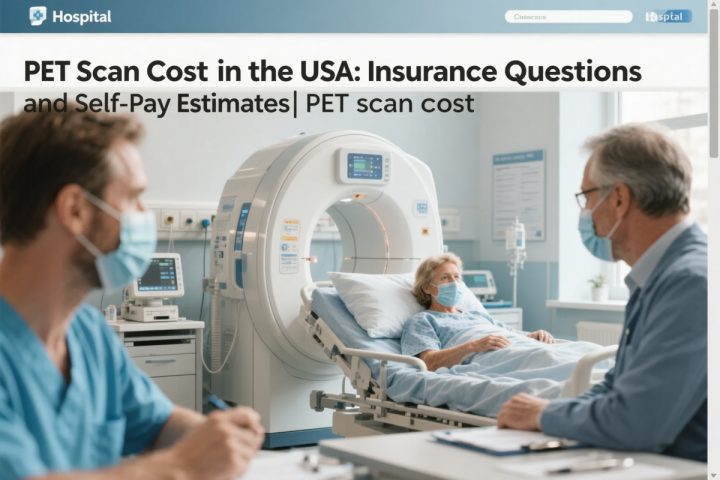
Understanding the Financial Landscape of PET Scans in American Healthcare
For patients and families navigating the complex terrain of oncology, cardiology, or neurology diagnostics, few questions generate as much anxiety as the financial implications of advanced imaging. When a physician recommends a Positron Emission Tomography (PET) scan to detect cancer metastasis, evaluate heart function, or assess neurological disorders, the immediate concern often shifts from medical necessity to affordability. The PET scan cost USA is not a single fixed number but rather a dynamic figure influenced by a multitude of variables including geographic location, facility type, insurance coverage tiers, and the specific radiopharmaceutical used during the procedure. Understanding these financial nuances is critical for making informed healthcare decisions without compromising on the quality of diagnostic care.
The complexity of the PET scan cost USA arises because the procedure is rarely billed as a standalone item. Instead, it is a composite service involving the administration of a radioactive tracer, the actual imaging acquisition, professional interpretation by a radiologist, and the technical overhead of operating high-end equipment. For those paying out-of-pocket, the disparity between what a hospital lists as their “chargemaster” rate and what an insurance company negotiates can be staggering. This article provides a comprehensive breakdown of pricing structures, insurance interactions, and self-pay strategies to help patients navigate the economic realities of this essential medical technology.
Breaking Down the Components of PET Scan Pricing
To truly understand the PET scan cost USA, one must first dissect the procedure into its constituent parts. A standard PET scan involves two primary elements: the injection of a radiotracer, typically Fluorodeoxyglucose (FDG), and the scanning process itself using a PET or PET/CT machine. The radiotracer is expensive due to the short half-life of the isotopes involved, requiring specialized production facilities and rapid logistics to deliver the drug to the imaging center before it decays. This biological component alone can account for a significant portion of the total bill, often ranging from several hundred to over a thousand dollars depending on the dosage and local pharmacy costs.
The second major component is the technical service fee for the scan. This covers the use of the sophisticated PET scanner, which combines metabolic imaging with anatomical detail when paired with a CT component. Facilities charge for the time the machine is occupied, the expertise of the technologists operating the equipment, and the maintenance of the high-cost hardware. In many cases, the final PET scan cost USA is actually a bundle of these services, billed under different codes. For instance, the CPT code for the PET scan might be separate from the code for the CT component or the radiopharmaceutical administration, leading to multiple line items on a single statement that can confuse patients unfamiliar with medical billing terminology.
The Role of Facility Type in Determining Costs
The setting in which the scan takes place plays a pivotal role in determining the final price tag. Academic medical centers and large hospital systems often have higher base rates due to their overhead costs, 24-hour staffing requirements, and the complexity of cases they handle. These institutions are equipped to manage rare complications and offer multidisciplinary teams, but this premium is reflected in the PET scan cost USA. Conversely, freestanding imaging centers may offer lower rates to compete for volume. However, patients must weigh the potential savings against the convenience of having the scan performed at a hospital where their treating physicians are located and where emergency support is immediately available if needed.
Another variable is whether the facility is considered “in-network” or “out-of-network” by the patient’s insurance provider. An in-network facility has negotiated a discounted rate with the insurance company, which significantly lowers the patient’s responsibility. If a patient receives a PET scan at an out-of-network facility, even within the same city, the PET scan cost USA could be substantially higher, and the insurance plan might cover a smaller percentage of the expense. Patients should always verify the network status of both the imaging center and the interpreting radiologist to avoid surprise bills that can derail the financial planning for their treatment.
Navigating Insurance Coverage and Reimbursement Models
Insurance coverage is the most significant factor influencing the out-of-pocket expense for a PET scan. Most major health insurance plans, including Medicare and Medicaid, provide coverage for PET scans when they are deemed medically necessary. However, the definition of “medically necessary” is strict. Insurers require documented evidence that the scan will change the management of the patient’s condition, such as confirming a diagnosis, staging cancer, or monitoring response to therapy. Without proper pre-authorization and supporting clinical notes, a claim for a PET scan cost USA may be denied, leaving the patient responsible for the full amount.
The reimbursement model also dictates how much the insurance company pays versus what the patient owes. Under traditional fee-for-service models, insurers negotiate a specific allowed amount with providers. If the provider charges more than this allowed amount, the difference is written off, provided the provider is in-network. However, if the provider is out-of-network, they may balance bill the patient for the difference between their charged rate and the insurer’s payment. This practice, known as balance billing, can result in unexpected and substantial costs for the patient, making it crucial to understand the terms of one’s specific insurance policy regarding out-of-network imaging services.
Medicare and Medicaid Specific Considerations
For seniors and individuals with disabilities, Medicare Part B typically covers PET scans for specific conditions like lung cancer, lymphoma, and melanoma, provided certain criteria are met. The patient is generally responsible for 20% of the Medicare-approved amount after meeting their annual deductible. While this seems straightforward, the PET scan cost USA under Medicare can vary based on the geographic adjustment factors applied to the reimbursement rate. Additionally, some supplemental Medigap policies may cover this 20% coinsurance, effectively reducing the patient’s liability to zero.
Medicaid coverage varies significantly by state, as each state administers its own program within federal guidelines. Some states cover PET scans broadly for cancer staging, while others restrict coverage to specific cancer types or require prior authorization for every scan. Patients relying on Medicaid must consult their state-specific benefits handbook or speak directly with the imaging center’s billing department to confirm eligibility. Failure to secure approval beforehand can lead to claims being rejected, forcing the patient to pay the full PET scan cost USA out of pocket.
Self-Pay Estimates and Negotiation Strategies
For the uninsured or those facing high deductibles, the sticker price of a PET scan can be daunting. The list price for a PET/CT scan in the United States can range widely, often exceeding $5,000 to $10,000 at hospital outpatient departments. However, this list price is rarely what anyone actually pays. Self-pay patients have the unique opportunity to negotiate the PET scan cost USA down to a fraction of the listed amount. Many imaging centers offer cash discounts ranging from 30% to 70% off their standard rates, recognizing that immediate payment reduces their administrative burden and collection risks.
To secure the best possible rate, patients should adopt a proactive approach. This involves calling multiple facilities in their area to request a “cash price” quote for the entire package, including the tracer, the scan, and the radiologist’s interpretation. It is important to ask specifically about the PET scan cost USA for self-pay patients and to inquire if there are any hidden fees, such as facility fees or consultation charges. By comparing quotes from hospitals, freestanding centers, and university-affiliated clinics, patients can identify the most affordable option that still meets their medical needs.
Financial Assistance Programs and Payment Plans
Many hospitals and imaging centers operate financial assistance programs designed to help low-income or uninsured patients afford necessary care. These programs, sometimes referred to as charity care, can reduce or eliminate the PET scan cost USA entirely based on income level and family size. Eligibility criteria vary, but patients are encouraged to apply early in the scheduling process. Documentation of income, tax returns, and proof of residency is typically required to determine the level of assistance available.
In addition to outright financial aid, most providers offer payment plans that allow patients to spread the cost of the scan over several months. These plans usually carry little to no interest, making them a viable option for managing the PET scan cost USA without taking on high-interest credit card debt. Before committing to a payment plan, patients should ensure the agreement is in writing and clearly outlines the monthly payment amount, the duration of the plan, and any penalties for missed payments. Transparency in these agreements is key to avoiding future financial stress.
| Facility Type | Average Self-Pay Range (USD) | Typical Insurance Copay/Coinsurance | Key Considerations |
|---|---|---|---|
| Hospital Outpatient Department | $4,000 – $10,000+ | $500 – $2,000+ (High Deductible) | Higher facility fees; integrated care; emergency support available. |
| Freestanding Imaging Center | $1,500 – $4,000 | $100 – $500 (Standard Plan) | Lower overhead; often cheaper cash prices; limited emergency resources. |
| Affiliate University Centers | $2,500 – $6,000 | Varies by research protocols | May offer reduced rates for research trials; highly specialized staff. |
| Mobile PET Units | $1,000 – $3,000 | Variable | Convenience; often lower rates; limited availability in rural areas. |
Factors Influencing Geographic and Regional Price Variance
Geography plays a massive role in the PET scan cost USA. Prices tend to be higher in major metropolitan areas like New York City, Los Angeles, and Boston compared to rural regions or smaller cities. This variance is driven by the cost of living, real estate expenses, and the concentration of specialized medical talent in urban centers. Additionally, regional differences in insurance market competition can affect negotiated rates. In areas with fewer imaging centers, providers may have more leverage to set higher prices, whereas competitive markets often drive prices down.
Patients traveling for care should be aware that the PET scan cost USA in their home state may differ significantly from the cost in the state where they are seeking treatment. While travel costs add to the overall expense, the savings from a lower-priced scan in another state might offset these costs. However, patients must consider logistical challenges, such as the need for follow-up appointments or the coordination of care with local physicians. It is often advisable to consult with a primary care physician or oncologist before deciding to travel for a scan to ensure continuity of care.
The Impact of Supply Chain and Radiotracer Availability
The availability of the radiotracer, particularly FDG, can fluctuate based on supply chain issues and regulatory changes. Since the isotope has a very short half-life, it must be produced nearby and delivered quickly. In regions where the nearest production facility is far away, the cost of transportation and the risk of spoilage can increase the price of the tracer component of the PET scan cost USA. Furthermore, shortages of isotopes, which have occurred periodically, can force facilities to raise prices or limit the number of scans they perform, impacting both availability and cost.
Emerging technologies and alternative tracers also influence pricing. While FDG is the standard, newer tracers like PSMA for prostate cancer or DOTATATE for neuroendocrine tumors are becoming more common. These specialized tracers are often more expensive to produce and administer, potentially increasing the PET scan cost USA for specific indications. Patients should discuss with their doctor whether a standard scan or a specialized tracer is necessary for their case, as the choice can have a significant financial impact.
Step-by-Step Guide to Verifying Your Coverage
Before scheduling a PET scan, taking the time to verify coverage can prevent financial surprises. The process begins with contacting your insurance provider to confirm that the specific CPT codes for the scan are covered under your plan. You should also ask about any prior authorization requirements, as many insurers mandate approval before the scan is performed. Without this approval, the claim is likely to be denied, resulting in the patient being billed for the full PET scan cost USA.
- Contact your insurance carrier to verify your current benefits and deductible status.
- Ask specifically about coverage for CPT codes 78811, 78812, and 78813, which correspond to different PET scan variations.
- Inquire about the requirement for prior authorization and the specific documentation needed from your physician.
- Verify that both the imaging facility and the radiologist are in-network to avoid balance billing.
- Request a written estimate of your out-of-pocket costs based on your plan’s details.
Once you have confirmed coverage with your insurer, the next step is to communicate with the imaging center. Provide them with your insurance information and ask for a detailed cost estimate that includes all components of the scan. Many centers have financial counselors who can help you navigate the billing process and explain your responsibilities. They can also inform you of any additional fees that might not be covered by insurance, such as contrast dye or biopsy services if they are performed concurrently.
Common Pitfalls to Avoid During Billing
Even with proper verification, billing errors can occur. One common pitfall is receiving a bill for a service that was already covered or for a duplicate charge. Patients should carefully review all Explanation of Benefits (EOB) statements sent by their insurance company to ensure accuracy. If discrepancies are found, they should contact the imaging center’s billing department immediately to resolve the issue. Ignoring these errors can lead to collections actions and damage to credit scores.
Another pitfall is assuming that a “pre-estimate” is a guaranteed price. Insurance estimates are based on the information provided at the time of the call and may change if the scope of the procedure changes or if the patient’s insurance status updates. Patients should maintain open communication with both their provider and insurer throughout the process. If new symptoms arise or additional tests are ordered during the visit, the PET scan cost USA may increase, and new authorizations might be required.
Comparing PET/CT vs. Standalone PET Scans
When discussing the PET scan cost USA, it is essential to distinguish between standalone PET scans and combined PET/CT scans. A standalone PET scan provides functional information about metabolic activity but lacks the detailed anatomical context provided by a CT scan. In modern practice, PET/CT is the gold standard because it allows physicians to pinpoint abnormalities with greater precision. Consequently, the PET scan cost USA for a PET/CT is generally higher than for a standalone PET due to the added cost of the CT component and the increased radiation exposure management.
However, the clinical value of the PET/CT often justifies the additional cost. The ability to correlate metabolic hotspots with anatomical structures reduces the need for repeat scans or invasive biopsies, ultimately saving money in the long run. Patients should discuss with their physician whether a standalone PET is sufficient for their specific condition or if the enhanced diagnostic capability of a PET/CT is warranted. In some cases, insurance plans may deny coverage for a standalone PET if a PET/CT is deemed the medically appropriate standard of care.
- Diagnostic Accuracy: PET/CT offers superior localization of lesions compared to standalone PET.
- Radiation Dose: PET/CT exposes patients to slightly higher radiation, though the benefit usually outweighs the risk.
- Coding Differences: Different CPT codes apply to PET/CT, affecting reimbursement rates.
- Cost Variance: Expect the PET scan cost USA for PET/CT to be 20-40% higher than standalone PET.
- Insurance Preference: Most insurers prefer or require PET/CT for initial cancer staging.
The Future of Pricing and Transparency Initiatives
The healthcare industry is increasingly moving towards greater transparency in pricing. Recent federal regulations, such as the No Surprises Act, aim to protect patients from unexpected out-of-network bills. While these laws primarily address emergency services and certain non-emergency scenarios, they are part of a broader trend toward clearer cost disclosure. As a result, more facilities are beginning to publish their cash prices for procedures like PET scans, allowing patients to make more informed comparisons of the PET scan cost USA.
Technology is also playing a role in cost reduction. Artificial intelligence and automated image analysis tools are streamlining the workflow for radiologists, potentially lowering the professional interpretation fees associated with the scan. Additionally, advancements in tracer production and distribution networks may stabilize the cost of radiopharmaceuticals, preventing sudden spikes in the PET scan cost USA. Patients should stay informed about these developments and look for facilities that embrace transparent pricing models.
Frequently Asked Questions
What is the average self-pay cost for a PET scan in the USA?
The average self-pay cost for a PET scan in the USA typically ranges from $1,500 to $4,000 at freestanding imaging centers, while hospital outpatient departments may charge between $4,000 and $10,000 or more. These figures represent the cash price and can often be negotiated down further. The final amount depends heavily on the facility, the region, and whether the scan includes a CT component.
Does Medicare cover the full cost of a PET scan?
Medicare Part B covers PET scans for medically necessary conditions, but it does not cover the full cost. After the annual deductible is met, Medicare typically pays 80% of the approved amount, leaving the patient responsible for the remaining 20% coinsurance. Supplemental Medigap policies can help cover this 20% gap, effectively reducing the patient’s out-of-pocket expense to zero.
Can I get a discount if I pay cash for my PET scan?
Yes, many imaging centers offer significant discounts for cash-paying patients, often ranging from 30% to 70% off their standard list prices. Because cash payments eliminate the administrative costs of billing insurance and the risk of non-payment, facilities are frequently willing to negotiate a lower rate. Patients should explicitly ask for a “cash price” quote before scheduling the appointment.
Why is the PET scan cost so high compared to other imaging tests?
The high cost of a PET scan is driven by the expensive radiopharmaceuticals used, which have short half-lives and require specialized production and delivery. Additionally, the PET scanners themselves are among the most costly medical devices, requiring significant maintenance and specialized personnel to operate. The combination of these factors, along with the professional fees for interpretation, results in a higher price point compared to standard X-rays or MRIs.
How do I know if my insurance requires prior authorization for a PET scan?
Most major insurance plans, including Medicare Advantage and commercial carriers, require prior authorization for PET scans to ensure they meet medical necessity criteria. To confirm this, patients should call their insurance provider’s member services line or check their online portal. The imaging center’s scheduling staff can also assist by verifying coverage and obtaining the necessary authorization on the patient’s behalf before the procedure is scheduled.