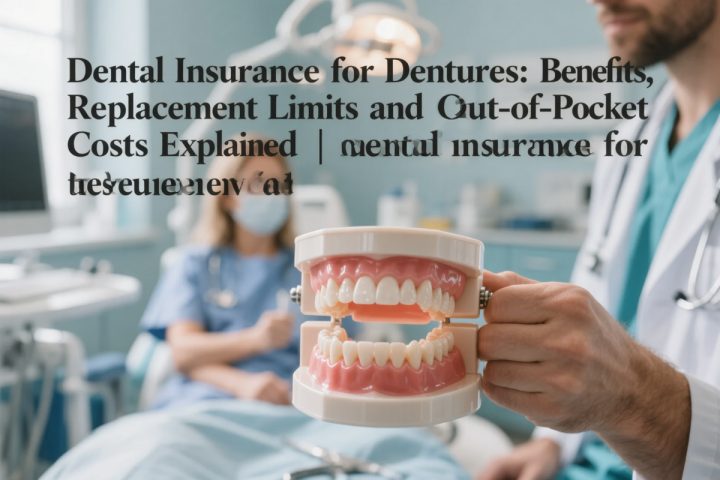
Understanding the Financial Landscape of Dental Insurance for Dentures
For many individuals facing tooth loss, the journey toward restoring oral function and aesthetics begins with a critical question: how much will it cost? While modern dentistry offers advanced solutions like dental implants, complete or partial dentures remain the most accessible and widely utilized treatment option for replacing missing teeth. However, the price tag associated with these prosthetics can be substantial, often ranging from thousands to tens of thousands of dollars depending on the complexity of the case and the materials used. This is where dental insurance for dentures becomes an essential component of healthcare planning. Unlike general health insurance, which typically excludes routine dental care, specialized dental plans are designed to mitigate these specific financial burdens.
The concept of dental insurance for dentures is not merely about covering a percentage of the bill; it involves navigating a complex web of coverage tiers, waiting periods, annual maximums, and replacement schedules. Patients often find themselves confused by terms like “deductibles,” “coinsurance,” and “missing tooth clauses.” Understanding these mechanics is vital before committing to a plan or undergoing a procedure. Without proper coverage, the out-of-pocket expenses for a full set of upper and lower dentures can quickly deplete savings, forcing patients to delay necessary treatment or opt for lower-quality alternatives that may compromise their long-term oral health.
In the context of hospital-based dental departments and outpatient surgical centers, the coordination between medical and dental insurance is increasingly important. While standard dental plans focus on restorative work, certain medical conditions or trauma-related tooth losses might fall under medical insurance, creating a unique intersection in coverage. Furthermore, the distinction between basic, major, and cosmetic procedures plays a pivotal role in determining how much a patient pays. A comprehensive understanding of dental insurance for dentures empowers patients to make informed decisions, ensuring they receive the quality care they need without facing unexpected financial ruin. This guide aims to demystify the process, breaking down benefits, limits, and costs to provide clarity for those seeking restoration.
How Dental Insurance Classifies Denture Coverage
To effectively utilize dental insurance for dentures, one must first understand how dental plans categorize treatments. Most dental insurance policies operate on a tiered system known as the 100-80-50 rule, which divides services into preventive, basic, and major categories. Preventive care, such as cleanings and exams, is usually covered at 100%. Basic procedures, including fillings and simple extractions, typically see 80% coverage. However, dentures almost universally fall under the “Major” category, which generally offers the lowest reimbursement rate, often capped at 50% of the allowable fee.
This classification has significant implications for the final cost. If a patient requires a full set of upper and lower dentures, the insurance company will only pay half of the negotiated rate, leaving the patient responsible for the remaining 50%, plus any applicable deductible. It is crucial to note that not all plans treat dentures identically. Some high-end premium plans may offer slightly higher percentages for major services, while others might exclude them entirely if the patient has not met specific tenure requirements. The definition of what constitutes a “denture” also varies; some plans distinguish between immediate dentures placed right after extraction and conventional dentures made weeks later, potentially affecting the timing of when coverage kicks in.
Another critical factor is the “missing tooth clause.” Many traditional dental insurance policies contain provisions that deny coverage for replacing teeth that were already missing before the policy’s effective date. This means that if a patient loses teeth due to periodontal disease years before purchasing a new plan, they may find that dental insurance for dentures does not cover the replacement of those specific teeth. This limitation underscores the importance of reading the fine print and understanding that proactive management of oral health is often more cost-effective than relying solely on insurance for retroactive fixes. Patients must verify whether their specific plan includes exceptions for trauma or congenital defects, as these scenarios sometimes bypass the standard missing tooth restrictions.
Navigating Annual Maximums and Waiting Periods
One of the most common pitfalls for patients seeking dental insurance for dentures is the misunderstanding of annual maximums. Dental insurance plans typically have a cap on the total amount the insurer will pay within a calendar year, commonly ranging from $1,000 to $2,000, though some premium plans may go up to $3,000 or more. Since the cost of a full set of dentures can easily exceed $4,000 to $6,000, the annual maximum acts as a hard ceiling on coverage. Even if a plan covers 50% of the cost, if the calculated benefit exceeds the annual limit, the patient must pay the difference immediately.
This creates a scenario where a patient might use their entire annual allowance for the initial denture placement, leaving no funds available for relining, repairs, or adjustments later in the same year. To mitigate this, savvy patients often strategize by scheduling non-emergency procedures early in the calendar year to maximize the use of their current annual maximum, then utilizing the reset maximum in January for subsequent needs. However, this strategy requires precise coordination with the dentist and the insurance provider to ensure claims are processed correctly and timely.
Equally important are waiting periods, which are timeframes during which a newly enrolled member cannot access certain benefits. For major restorative services like dentures, waiting periods often range from six months to twelve months. This is particularly relevant for individuals who lose teeth suddenly and need immediate coverage. If a patient enrolls in a plan today, they may have to wait nearly a year before the dental insurance for dentures benefit becomes active. Some plans offer shorter waiting periods for members switching from another carrier or those who have had continuous coverage elsewhere, but these are exceptions rather than the rule. Understanding these timelines is essential for budgeting and managing expectations regarding when treatment can actually begin.
Comparing Plan Types: PPO, HMO, and Discount Plans
Selecting the right type of dental plan significantly influences the effectiveness of dental insurance for dentures. The three primary models available in the market are Preferred Provider Organizations (PPO), Health Maintenance Organizations (HMO), and Dental Discount Plans. Each operates differently and presents unique advantages and disadvantages for patients requiring major restorative work.
- PPO Plans: These offer the greatest flexibility. Patients can visit any licensed dentist, though they pay less when using providers within the network. PPO plans typically reimburse based on a “Usual, Customary, and Reasonable” (UCR) fee schedule. For dentures, this means the insurance company determines a fair market value for the procedure. If the dentist charges more than this UCR rate, the patient pays the difference. PPOs are generally preferred for complex cases because they allow patients to choose specialists or labs that offer higher quality materials without being restricted to a narrow list of providers.
- HMO Plans: Also known as Delta Dental Premier or similar managed care plans, HMOs require patients to select a primary dentist from a designated network. All care must be coordinated through this provider, and referrals are often needed for specialists. The upside is lower premiums and predictable costs, as the network negotiates fixed fees. However, HMOs often have stricter limitations on which types of dentures are covered and may not cover the cost of upgrading materials beyond a basic acrylic standard. They are excellent for budget-conscious patients who do not mind limited provider choice.
- Dental Discount Plans: These are not insurance but membership programs. By paying an annual fee, members gain access to reduced rates at participating dentists. There are no annual maximums, no waiting periods, and no claim forms. For dental insurance for dentures, discount plans can be highly attractive because they offer immediate savings on the full cost of the procedure. However, the discounts vary by provider, and there is no guarantee of a specific percentage off. They are best suited for patients who have exhausted their insurance options or need immediate treatment without waiting periods.
When evaluating these options, patients must consider the trade-off between monthly premiums and potential out-of-pocket costs. A PPO plan with a high premium might offer better coverage for high-quality implant-supported dentures, whereas an HMO might only cover basic removable dentures. The decision ultimately depends on the patient’s specific clinical needs, financial situation, and preference for provider autonomy.
Breaking Down Out-of-Pocket Costs and Hidden Fees
Even with robust dental insurance for dentures coverage, patients should anticipate significant out-of-pocket expenses. The “50% coverage” figure often cited by insurers rarely translates to a 50% reduction in the total bill due to several compounding factors. First, the deductible must be met before any benefits apply. A typical deductible ranges from $50 to $250 per year. Second, the coinsurance applies to the remaining balance after the deductible. Third, and perhaps most importantly, the insurance company uses a fee schedule that may be lower than the dentist’s actual charge.
Consider a scenario where a dentist charges $5,000 for a full set of dentures. The insurance company’s UCR fee might only recognize $3,500 as the allowable amount. If the plan covers 50% of the allowable fee, the insurance pays $1,750. The patient is then responsible for the $1,500 difference between the dentist’s charge and the allowed amount, plus the remaining 50% of the allowed amount ($1,750), totaling $3,250 out of pocket. This discrepancy highlights why understanding the “allowable fee” is crucial. Patients should always request a pre-treatment estimate from their dentist and submit it to the insurance company to get a definitive projection of their liability.
Beyond the base cost of the dentures, there are ancillary fees that often fall outside the scope of standard coverage. These include the cost of impressions, digital scanning fees, try-in appointments, and follow-up adjustments. While some plans bundle these into the major service fee, others treat them as separate line items. Additionally, the initial fitting of dentures is often followed by a series of relines or rebases over the years as the jawbone resorbs. If these maintenance procedures occur in a different calendar year, they count against a new annual maximum, potentially leaving the patient with zero coverage for future adjustments. Patients must also consider the cost of adhesives, cleaning solutions, and storage containers, which are almost never covered by insurance but are essential for daily function.
The Role of Hospital-Based Dental Departments and Medical Insurance
In many cases, the need for dentures arises from complex medical situations involving trauma, oral cancer, or severe congenital defects. In these instances, the treatment often takes place within a hospital setting, specifically within Oral and Maxillofacial Surgery departments. When dentures are part of a broader medical treatment plan, the dynamics of dental insurance for dentures can shift dramatically. Standard dental insurance often excludes coverage for procedures deemed “medically necessary” rather than “dental,” yet these same procedures might be covered by medical insurance.
For example, if a patient undergoes a maxillectomy (removal of part of the upper jaw) due to oral cancer, the resulting reconstruction often requires a specialized obturator or denture. Because this is a direct result of a life-threatening condition and surgery, medical insurance is frequently the primary payer. Hospitals and medical groups are well-versed in coordinating these claims, ensuring that the prosthetic device is billed correctly under the medical diagnosis code rather than a dental CDT code. This distinction is vital because medical insurance plans typically have much higher annual maximums or no caps at all, making them far more beneficial for extensive reconstructive work.
However, this transition from dental to medical coverage is not automatic and requires meticulous documentation. The treating physician and surgeon must clearly articulate the medical necessity of the denture in the patient’s record. Without this justification, the claim may be denied, leaving the patient to navigate the dental insurance route. Furthermore, some hospital dental departments offer sliding scale fees or charity care programs for uninsured patients, providing a safety net for those who cannot afford even the co-pays associated with dental insurance for dentures. Patients should always inquire about these financial assistance programs during their initial consultation, especially if they are facing a crisis situation involving oral health.
Strategies for Maximizing Your Dental Benefits
Optimizing the return on investment for dental insurance for dentures requires strategic planning and proactive communication with both the dental provider and the insurance carrier. One of the most effective strategies is to conduct a thorough review of the policy’s “benefits summary” before any treatment begins. Patients should look specifically for exclusions related to “implant-supported dentures” versus “conventional dentures,” as the latter is often the only fully covered option. Understanding the specific CDT codes (Current Dental Terminology) used for billing can also help in anticipating how the claim will be processed.
- Utilize Pre-Treatment Estimates: Always request a formal pre-treatment estimate (also known as a predetermination of benefits) from your dentist. This document details the proposed procedures, the estimated cost, and the expected insurance payment. It serves as a binding agreement between the dentist and the insurer, preventing surprises later.
- Time Your Procedures: As mentioned earlier, aligning the start of your treatment with the beginning of the calendar year can maximize your annual maximum. If possible, schedule extractions and initial impressions in January to allow the full year of benefits to apply to the major restorative phase.
- Check Network Status: Verify that your dentist is in-network for your specific plan. Out-of-network providers often charge higher fees that are not recognized by the insurance company, leading to higher out-of-pocket costs. Additionally, confirm that the dental laboratory used to fabricate the dentures is approved by the insurer.
- Explore Alternative Funding: If the out-of-pocket cost remains prohibitive, investigate Flexible Spending Accounts (FSA) or Health Savings Accounts (HSA). These tax-advantaged accounts allow you to set aside pre-tax dollars specifically for medical and dental expenses, effectively reducing the real cost of the dentures by your marginal tax rate.
- Consider Financing Options: Many dental offices partner with third-party financing companies like CareCredit or LendingClub. These programs often offer promotional periods with no interest if paid in full within a specified timeframe, which can be a viable alternative if insurance coverage is insufficient.
By combining these strategies, patients can significantly reduce the financial burden of obtaining dentures. It is also worth noting that some employers offer supplemental dental riders or wellness stipends that can be applied toward major procedures. Taking a holistic approach to financial planning ensures that the path to restored oral health is as smooth and affordable as possible.
Understanding Replacement Limits and Frequency Restrictions
A critical aspect of dental insurance for dentures that is often overlooked is the replacement limit. Dentures are durable medical devices, but they are subject to wear and tear, and the human mouth changes over time. Consequently, insurance companies do not cover the replacement of dentures annually. Instead, they enforce strict frequency limits, typically allowing a new set of dentures every five to seven years. This policy is based on the assumption that properly maintained dentures should last for a decade, although individual experiences may vary.
If a patient needs to replace their dentures sooner than the allowed interval—perhaps due to damage, breakage, or significant bone loss—the insurance company will likely deny the claim for a new set. In such cases, the patient may only be eligible for coverage for a “repair” or “reline” rather than a full replacement. This distinction is financially significant because a reline is a fraction of the cost of a new set, but it may not address underlying structural issues. Patients must carefully weigh the longevity of their current appliances against the risk of needing premature replacement.
| Scenario | Typical Insurance Policy | Patient Responsibility |
|---|---|---|
| First-time denture placement | Covered (50% after deductible) | 50% of allowable fee + deductible |
| Denture repair (minor crack) | Often covered as “Basic” (80%) | 20% of allowable fee + deductible |
| Denture reline (within 5 years) | Usually covered as “Basic” (80%) | 20% of allowable fee + deductible |
| New denture (within 5 years) | Not covered (Frequency Limit) | 100% of cost |
| New denture (after 5+ years) | Covered (50% after deductible) | 50% of allowable fee + deductible |
The table above illustrates the stark difference in coverage based on the timing of the procedure. Patients who experience premature failure of their dentures due to manufacturing defects may need to appeal to the manufacturer’s warranty rather than their insurance provider. It is also important to note that some plans have a “lifetime maximum” for dentures, capping the total payout for this service over the patient’s entire life, though this is rare in modern commercial plans. Understanding these limits helps patients manage their expectations and plan for the eventual need to invest in new prosthetics when the insurance window closes.
Frequently Asked Questions
Does dental insurance cover the cost of getting dentures?
Yes, most comprehensive dental insurance plans cover a portion of the cost for dentures, typically classifying them as a “major” restorative service. However, coverage is rarely 100%. Standard plans often cover 50% of the allowable fee after the annual deductible is met. It is crucial to check your specific policy for the exact percentage, as some basic plans may exclude dentures entirely or impose strict waiting periods before this benefit becomes active.
How often can I get new dentures covered by insurance?
Insurance policies generally enforce a replacement limit, allowing for a new set of dentures once every five to seven years. If you need replacements more frequently due to damage or fit issues, the insurance will likely only cover minor repairs or relines, leaving you to pay the full cost for a completely new set. Always verify the specific interval listed in your plan’s summary of benefits.
What is the difference between a PPO and an HMO for dentures?
A PPO plan offers greater flexibility, allowing you to see any dentist, though you save money by staying in-network. PPOs reimburse based on a fee schedule, which can lead to variable out-of-pocket costs. An HMO requires you to use a specific network of dentists and usually offers lower premiums and fixed copays, but it may restrict the types of dentures or materials covered compared to a PPO.
Can medical insurance cover dentures if they are medically necessary?
Yes, in cases where dentures are required due to trauma, oral cancer surgery, or congenital defects, medical insurance may cover the cost instead of dental insurance. This is particularly common in hospital settings where the procedure is part of a larger surgical treatment. You must provide documentation proving medical necessity to qualify for this coverage.
Are there hidden costs with dental insurance for dentures?
Absolutely. Beyond the main procedure, you may face costs for preliminary extractions, digital scans, temporary dentures, and follow-up adjustments. Additionally, if the dentist’s fee exceeds the insurance company’s “allowable fee,” you are responsible for the difference. Always request a pre-treatment estimate to understand the total financial commitment.
Sources
- American Dental Association – Dental Insurance Resources
- Centers for Medicare & Medicaid Services – Durable Medical Equipment Coverage
- National Institute of Dental and Craniofacial Research – Dental Coverage Information
- HealthCare.gov – Finding Dental Coverage
- Delta Dental – Understanding Your Dental Benefits