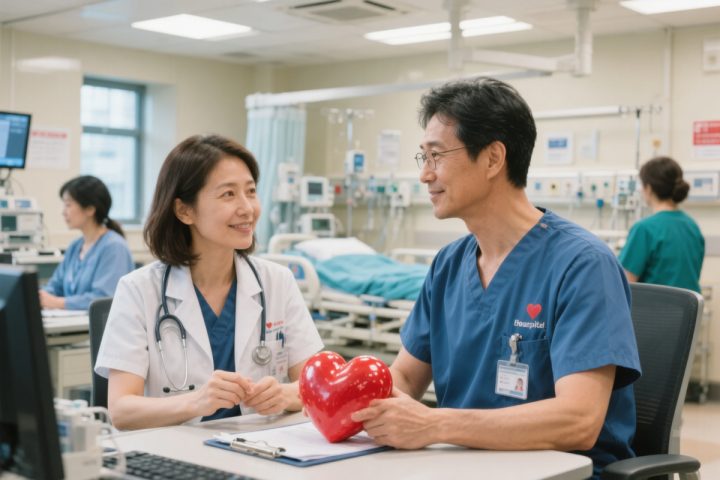
Understanding the Landscape of Heart Hospitals in Osaka
When considering advanced cardiac care, selecting the right medical facility is a decision that requires meticulous research and careful consideration. For international patients or those relocating to Japan, the prospect of navigating heart hospitals in Osaka can initially seem daunting due to language barriers and complex healthcare protocols. However, Osaka stands as a premier destination for cardiovascular medicine, boasting world-class facilities that combine cutting-edge technology with highly specialized medical teams. The city’s reputation for excellence in cardiology is built on decades of innovation, rigorous training standards, and a patient-centric approach that prioritizes both clinical outcomes and comfort.
The landscape of cardiac care in Osaka is diverse, ranging from massive university-affiliated teaching hospitals to specialized private clinics dedicated exclusively to heart health. Each institution offers a unique blend of expertise, ranging from interventional cardiology and electrophysiology to complex open-heart surgery and heart transplantation. Understanding the distinctions between these facilities is crucial for making an informed decision. Whether you are seeking routine diagnostics, minimally invasive procedures, or comprehensive post-operative rehabilitation, the specific needs of your condition will dictate which hospital is the most appropriate choice.
Focusing on heart hospitals in Osaka involves more than just looking at success rates; it requires evaluating the entire ecosystem of care. This includes the accessibility of appointment services, the availability of English-speaking staff, the transparency of pricing structures, and the integration of traditional Japanese hospitality with modern medical practices. Patients often find that the top-tier institutions in Osaka provide a seamless experience that addresses not only the physiological aspects of heart disease but also the logistical and emotional challenges associated with receiving treatment abroad or away from one’s home base.
Comparing Leading Cardiac Teams and Medical Expertise
The cornerstone of any successful cardiac treatment plan is the expertise of the medical team. In Osaka, the cardiologists and cardiac surgeons leading the field are often graduates of prestigious Japanese universities who have undergone years of specialized fellowship training. Many of these professionals hold dual certifications in domestic and international boards, ensuring they adhere to global standards of practice while maintaining deep roots in local medical traditions. When researching heart hospitals in Osaka, it is essential to look for physicians who specialize in specific subspecialties relevant to your condition, such as structural heart disease, heart failure, or arrhythmia management.
One of the distinguishing features of cardiac teams in this region is their collaborative approach. Complex cases are frequently discussed in multidisciplinary tumor boards or heart teams, where surgeons, interventionalists, radiologists, and anesthesiologists convene to formulate a unified treatment strategy. This consensus-based model ensures that every patient receives a tailored plan rather than a generic protocol. For international patients, the presence of experienced medical coordinators within these teams is vital. These coordinators act as the bridge between the technical medical jargon and the patient’s understanding, ensuring that consent forms, procedure details, and recovery expectations are clearly communicated.
The depth of experience among cardiac specialists in Osaka is particularly notable in high-volume procedures. Hospitals that perform a significant number of coronary artery bypass grafts (CABG), valve replacements, and transcatheter aortic valve implantations (TAVI) annually tend to demonstrate superior outcomes. This volume creates a learning environment where surgical techniques are continuously refined and new technologies are adopted rapidly. Furthermore, many of these experts actively participate in clinical trials and research, contributing to the global advancement of cardiovascular science. By choosing a hospital with a robust research division, patients gain access to the latest therapeutic options before they become widely available elsewhere.
Subspecialty Focus: Interventional vs. Surgical Excellence
Not all cardiac centers prioritize the same areas of expertise. Some hospitals in Osaka are renowned for their interventional cardiology departments, specializing in catheter-based treatments like angioplasty and stenting. These facilities are equipped with state-of-the-art imaging suites that allow for precise navigation within the coronary arteries, minimizing trauma and recovery time. Conversely, other institutions may focus heavily on surgical interventions, offering advanced robotic-assisted heart surgery and complex congenital heart repairs. When evaluating heart hospitals in Osaka, patients should identify whether their specific condition aligns better with a center known for non-invasive interventions or one celebrated for its surgical prowess.
The balance between these two disciplines varies by institution. A comprehensive cardiac center will excel in both, allowing for a smooth transition from diagnostic catheterization to surgical intervention if necessary. This integrated capability is a significant advantage for patients with evolving conditions or those requiring complex, multi-stage treatments. Additionally, the presence of a dedicated heart failure program is becoming increasingly common, providing specialized care for patients with advanced heart failure, including mechanical circulatory support and transplant evaluation. Identifying a hospital with a strong heart failure unit is critical for patients managing chronic cardiac conditions.
Facilities and Technological Infrastructure in Modern Cardiac Centers
The physical infrastructure of a hospital plays a pivotal role in the quality of care provided. Leading heart hospitals in Osaka invest heavily in modernizing their facilities to ensure a safe, sterile, and comfortable environment for patients. Operating rooms are designed with advanced laminar flow systems to minimize infection risks, and they are equipped with the latest intraoperative monitoring devices. Beyond the operating theater, the diagnostic capabilities of these hospitals are equally impressive. High-field MRI machines, 64-slice and higher CT scanners, and hybrid catheterization labs are standard in top-tier institutions, enabling accurate diagnosis and precise planning for complex procedures.
Patient comfort is another critical aspect of facility design. Recognizing the stress that a cardiac diagnosis can induce, many hospitals in Osaka have incorporated healing environments into their architecture. Private rooms with natural lighting, soundproofing, and easy access to family members are common features. Recovery wards are often designed to resemble hotel suites, providing a calming atmosphere that supports the psychological well-being of the patient during their stay. The attention to detail extends to the amenities offered, such as nutritional counseling, physiotherapy gyms specifically designed for cardiac rehabilitation, and quiet meditation spaces.
Technology integration is also a key differentiator among cardiac facilities in Osaka. Electronic health records are seamlessly connected across departments, allowing for real-time data sharing between doctors, nurses, and pharmacists. This connectivity reduces the risk of errors and ensures continuity of care. Furthermore, telemedicine capabilities are increasingly being utilized to facilitate follow-up consultations for international patients who must return to their home countries after discharge. Some hospitals even offer remote monitoring devices that transmit heart rhythm data directly to the medical team, allowing for early detection of potential complications without the need for immediate travel back to Japan.
Navigating Appointment Services and International Patient Support
For many patients, especially those traveling from abroad, the process of securing an appointment is the first major hurdle. Heart hospitals in Osaka have developed sophisticated international patient departments to streamline this process. These departments typically include multilingual staff fluent in English, Chinese, Korean, and other languages, ensuring clear communication from the initial inquiry through to discharge. The goal of these services is to remove administrative friction, allowing patients to focus entirely on their health and recovery.
The appointment scheduling process generally begins with a preliminary consultation, which can often be conducted via video call. During this session, medical records are reviewed, and a tentative treatment plan is discussed. If the hospital deems the case suitable for treatment in Japan, a formal appointment is scheduled. This pre-arrival planning is crucial as it helps manage expectations regarding wait times, required documentation, and insurance coverage. Many hospitals also assist with visa applications, accommodation arrangements, and airport transfers, creating a comprehensive support system for international visitors.
Transparency in pricing and financial coordination is a hallmark of reputable appointment services in Osaka. Before any procedure begins, patients receive a detailed cost estimate that outlines fees for surgery, anesthesia, hospital stays, medications, and post-operative care. While costs can vary significantly depending on the complexity of the procedure and the specific hospital chosen, having a clear breakdown upfront prevents unexpected financial burdens. Some hospitals work directly with international insurance providers, handling billing and claims processing on behalf of the patient, while others operate on a self-pay basis with flexible payment plans available.
A Comparative Overview of Top Cardiac Facilities
To help prospective patients make an informed decision, it is useful to compare the key attributes of several prominent institutions known for their cardiac programs. The following table highlights the distinct strengths, specializations, and service levels of leading heart hospitals in Osaka. Please note that specific offerings and staffing levels may change over time, so verifying current details with the hospital directly is always recommended.
| Hospital Name | Primary Specialization | International Support | Key Technology | Best For |
|---|---|---|---|---|
| Osaka University Hospital | Complex Surgery, Transplant, Research | Dedicated International Center, Full Translation | Hybrid OR, Robotic Surgery, ECMO | Advanced cases requiring multidisciplinary teams |
| Kansai Rosai Hospital | Interventional Cardiology, Heart Failure | English-speaking Coordinators, Visa Assistance | 3D Imaging, TAVI Programs, Cath Labs | Minimally invasive procedures and heart failure management |
| Shin-Osaka Central Hospital | General Cardiology, Rehabilitation | Comprehensive Concierge Services | Advanced Echocardiography, Rehab Gyms | Routine diagnostics and post-op recovery |
| National Cerebral and Cardiovascular Center (Branch) | Specialized Arrhythmia, Electrophysiology | Specialized Interpreter Services | Electrophysiology Mapping Systems | Complex rhythm disorders and ablation therapy |
This comparison illustrates that while all these institutions offer high-quality care, they cater to slightly different patient needs. For instance, those requiring heart transplants or highly complex reconstructive surgeries might find the academic rigor of Osaka University Hospital more suitable. On the other hand, patients seeking efficient, minimally invasive treatments for valve diseases may prefer the interventional focus of Kansai Rosai Hospital. The choice ultimately depends on the specific medical requirements and the level of personalized support desired.
Cost Considerations and Insurance Coverage for Treatment
Financial planning is an integral part of the decision-making process when seeking treatment at heart hospitals in Osaka. While Japan’s national health insurance system provides extensive coverage for residents, international patients typically pay out-of-pocket unless they possess specific international insurance policies that cover treatment in Japan. Costs can vary widely based on the type of procedure, the length of hospital stay, and the room category selected. It is important to understand that “all-inclusive” packages are not always standard, and additional fees for medications, consumables, or extended ICU stays may apply.
Generally, a minor cardiac procedure such as a cardiac catheterization or angiogram might range from $5,000 to $10,000 USD, whereas major surgeries like CABG or valve replacement can range from $30,000 to $60,000 USD or more. These figures are estimates and do not include travel expenses or accommodation for accompanying family members. However, the cost of living in Osaka is often lower than in Tokyo or Western cities, which can help offset some of the medical expenses. Many hospitals offer competitive pricing compared to US or European counterparts, making them an attractive option for medical tourism.
Insurance verification is a critical step before arrival. Patients should contact their insurance provider to determine if they have coverage for overseas treatment and what percentage of costs will be reimbursed. Some international insurance plans have direct billing agreements with major Japanese hospitals, simplifying the payment process. For those without coverage, many heart hospitals in Osaka offer installment plans or assistance in applying for medical loans. Transparency is key; reputable institutions will provide a written quote detailing every anticipated cost item to avoid surprises later.
The Patient Journey: From Admission to Discharge
Understanding the typical workflow of a patient at a heart hospital in Osaka can alleviate anxiety and prepare individuals for what to expect. The journey usually begins with a thorough pre-admission assessment, where blood work, ECGs, and imaging studies are repeated to ensure the hospital has the most current data. Upon admission, patients are assigned a primary nurse and a medical coordinator who serve as their main points of contact throughout the stay. The culture of care in Japan places a high value on respect and politeness, and staff are trained to treat patients with exceptional courtesy and patience.
During the hospital stay, the schedule is tightly coordinated. Pre-operative days involve final consultations with the surgeon, discussions about anesthesia, and preparation of the surgical site. Post-operative care is intensive, with close monitoring in the ICU or a specialized ward. Nurses in Japanese hospitals are known for their diligence and frequent check-ins, ensuring that pain is managed effectively and that any changes in condition are addressed immediately. Family members are often encouraged to participate in care routines, such as assisting with feeding or walking, under the guidance of the nursing staff.
Discharge planning begins well before the actual departure date. This phase includes a comprehensive review of the treatment outcomes, prescription of medications, and instructions for wound care. For international patients, the discharge process is particularly streamlined. The hospital coordinates with airlines to ensure the patient is fit to fly, provides a summary of the treatment in English (and other languages if needed), and schedules follow-up appointments with local doctors in the patient’s home country. This holistic approach ensures that the transition from hospital care to home recovery is as smooth as possible.
Rehabilitation and Long-Term Care Options
The journey does not end at discharge. Long-term recovery and rehabilitation are critical components of cardiac care, and heart hospitals in Osaka place a strong emphasis on structured rehabilitation programs. Cardiac rehab typically begins in the hospital and continues in outpatient settings, involving supervised exercise training, nutritional counseling, and psychological support. These programs are designed to improve cardiovascular fitness, reduce the risk of future events, and help patients regain confidence in their daily activities.
In addition to physical rehabilitation, mental health support is increasingly recognized as a vital part of recovery. Stress and anxiety are common after a heart event, and many hospitals in Osaka offer counseling services and support groups. The integration of lifestyle modification education is also a priority, teaching patients how to manage diet, exercise, and medication adherence. For those returning to their home countries, many hospitals provide digital tools or mobile apps that allow patients to track their progress and communicate with their care team remotely.
The availability of long-term care facilities is another consideration for patients with chronic conditions. While acute care hospitals focus on immediate treatment, there are affiliated rehabilitation centers and nursing homes in the Osaka area that specialize in ongoing cardiac care. These facilities offer a continuum of care that can be beneficial for elderly patients or those requiring extended recovery periods. By choosing a hospital with a robust network of partner facilities, patients can ensure they have access to the necessary support systems throughout their recovery journey.
Factors Influencing the Choice of Hospital
Selecting the right facility involves weighing multiple factors beyond just medical reputation. Language proficiency is often the first filter for international patients, followed by the proximity of the hospital to accommodations and airports. The availability of cultural amenities, such as dietary options that accommodate specific religious or personal preferences, can also influence the decision. Additionally, the hospital’s reputation for safety and infection control is paramount, especially in the post-pandemic era.
Patients should also consider the hospital’s location within Osaka. While central locations offer convenience, some of the best cardiac centers are located in quieter suburban areas, providing a more peaceful environment for recovery. The ease of transportation from the airport and the availability of private transport services are practical considerations that can significantly impact the overall experience. Finally, the responsiveness of the hospital’s administration to inquiries and the clarity of their communication channels are strong indicators of the quality of service a patient can expect.
- Medical Reputation: Look for hospitals with high success rates in specific procedures and positive patient reviews.
- Language Support: Ensure the hospital has dedicated English-speaking staff and translation services.
- Location and Accessibility: Consider proximity to the airport and availability of transport options.
- Cost and Insurance: Verify cost estimates and insurance acceptance policies before committing.
- Facility Amenities: Evaluate the comfort of rooms, dining options, and recreational facilities.
Frequently Asked Questions
What is the average cost of heart surgery in Osaka?
The cost of heart surgery in Osaka varies significantly depending on the type of procedure, the hospital’s tier, and the patient’s specific medical needs. Generally, major surgeries like coronary artery bypass grafting (CABG) can range from $30,000 to $60,000 USD, while less invasive procedures like angioplasty may cost between $5,000 and $15,000 USD. These estimates typically include surgeon fees, anesthesia, hospital stay, and basic medications, but patients should request a detailed breakdown to account for potential additional costs such as ICU stays or specialized implants.
Do heart hospitals in Osaka offer English-speaking medical staff?
Yes, most leading heart hospitals in Osaka have dedicated international patient departments with English-speaking coordinators, doctors, and nurses. These professionals are trained to handle medical consultations, explain procedures, and assist with administrative tasks such as visa applications and accommodation booking. It is advisable to confirm the availability of English-speaking staff for your specific doctor when making an appointment to ensure seamless communication throughout your treatment.
How long does the recovery process take after heart surgery in Japan?
Recovery times depend on the specific procedure performed. For minimally invasive surgeries, patients may be discharged within 5 to 7 days, with full recovery taking a few weeks. For open-heart surgeries like CABG, the hospital stay is typically 10 to 14 days, followed by a rehabilitation period of 4 to 6 weeks before resuming normal activities. Comprehensive cardiac rehabilitation programs are available to guide patients through this recovery phase, ensuring optimal healing and functional restoration.
Can I bring my own medical records to the hospital in Osaka?
Absolutely. Bringing your own medical records, including recent ECGs, echocardiograms, blood test results, and previous surgical reports, is highly recommended. This allows the medical team to review your history thoroughly before your arrival and develop a precise treatment plan. Most hospitals accept digital copies or physical documents, and international coordinators can often assist in translating these records into Japanese if necessary.
Are there specific visa requirements for medical treatment in Osaka?
Yes, patients traveling to Japan for medical treatment typically need to apply for a “Short-Term Stay” visa for medical purposes. To obtain this visa, you generally need a letter of invitation or certification from the hospital in Osaka confirming your appointment and estimated treatment duration. The hospital’s international department can often provide this documentation and guide you through the application process at the nearest Japanese consulate or embassy.
Sources
- Osaka University Hospital – Official International Patient Website
- Kansai Rosai Hospital – International Service Information
- Japan Medicine – Guide to Medical Tourism in Japan
- Ministry of Health, Labour and Welfare (MHLW) – Healthcare System Overview
- Japanese Association for Thoracic Surgery – Professional Standards