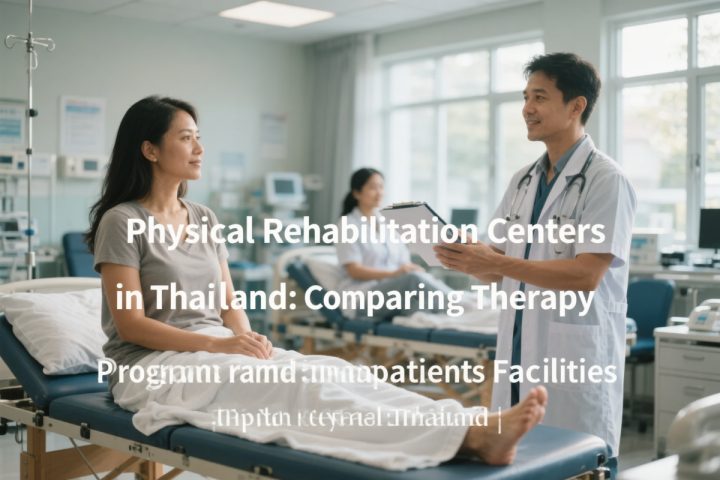
Understanding the Landscape of Physical Rehabilitation Centers in Thailand
For individuals seeking high-quality recovery after surgery, stroke, or trauma, the global search for effective medical care has increasingly turned toward Southeast Asia. Among these destinations, physical rehabilitation centers in Thailand have emerged as a premier choice for international patients. The nation’s healthcare infrastructure has undergone a significant transformation over the last two decades, evolving from a basic service provider to a world-class destination that combines advanced medical technology with exceptional hospitality. This unique blend makes Thailand an attractive option for those who require extended periods of intensive therapy while recovering from major health events.
The decision to undergo rehabilitation abroad is often driven by the need for specialized programs that may be unavailable or have long waiting lists in a patient’s home country. In Thailand, facilities are designed to offer comprehensive care that addresses not only the physical limitations but also the psychological and social aspects of recovery. These institutions typically house multidisciplinary teams comprising physiatrists, physical therapists, occupational therapists, speech-language pathologists, and psychologists. The integration of these specialists ensures that every aspect of a patient’s condition is managed holistically, leading to better long-term outcomes compared to fragmented care models.
Furthermore, the cost-effectiveness of treatment in Thailand remains a compelling factor without compromising on quality. Many top-tier hospitals offering inpatient rehabilitation services operate under JCI (Joint Commission International) accreditation standards, ensuring that their protocols meet rigorous international benchmarks. Patients can access state-of-the-art equipment, such as robotic gait trainers, underwater treadmills, and virtual reality therapy systems, at a fraction of the cost found in North America or Western Europe. This accessibility allows families to invest in longer, more intensive therapy schedules that are crucial for maximizing functional independence.
Distinguishing Between Inpatient Facilities and Outpatient Therapy Programs
When evaluating options for recovery, it is essential to understand the fundamental differences between inpatient rehabilitation facilities and outpatient therapy programs. Inpatient centers provide 24-hour medical supervision and accommodation within the hospital or a dedicated rehabilitation campus. This model is ideal for patients who require complex medical management, frequent monitoring of vital signs, or assistance with activities of daily living due to severe mobility restrictions. The intensity of therapy in these settings is typically much higher, often involving three hours or more of structured therapy per day, five to six days a week.
In contrast, outpatient programs allow patients to live at home or in a private residence while traveling to the facility for scheduled therapy sessions. While this option offers greater flexibility and comfort, it requires the patient to have a stable home environment and the ability to travel independently or with minimal assistance. Outpatient care is generally reserved for patients who have completed a significant portion of their acute recovery and are transitioning back to normal life, or for those with less severe conditions that do not require constant medical oversight. The choice between these two models depends heavily on the specific diagnosis, the stage of recovery, and the support system available to the patient.
Many leading physical rehabilitation centers in Thailand offer hybrid models that bridge the gap between these two extremes. For instance, a patient might start with a few weeks of intensive inpatient care to stabilize their condition and learn foundational movement patterns, then transition to a shorter stay in a convalescent hotel or a residential rehab unit before moving to an outpatient schedule. This phased approach ensures continuity of care while gradually increasing the patient’s autonomy. It is crucial for prospective patients to consult with medical directors to determine which level of care aligns best with their clinical needs and insurance coverage.
Specialized Therapy Programs: Neurological, Orthopedic, and Sports Recovery
The diversity of therapy programs available in Thai rehabilitation centers is one of their strongest assets. Unlike general hospitals where rehabilitation might be a secondary department, many facilities in Thailand specialize in specific areas of medicine. Neurological rehabilitation is a particularly strong suit, with centers equipped to treat survivors of strokes, traumatic brain injuries, spinal cord injuries, and neurodegenerative diseases like Parkinson’s. These programs utilize cutting-edge technologies such as body-weight supported treadmill training, functional electrical stimulation, and mirror therapy to rewire neural pathways and restore motor function.
Orthopedic rehabilitation focuses on restoring mobility and strength following joint replacements, fracture repairs, and ligament reconstructions. Given Thailand’s reputation as a hub for orthopedic tourism, these centers have extensive experience managing post-surgical recovery for knee and hip replacements. The therapy regimens are highly personalized, incorporating manual therapy, therapeutic exercise, and hydrotherapy to reduce pain and improve range of motion. The goal is to return patients to their pre-injury activity levels as quickly and safely as possible, minimizing the risk of complications like blood clots or muscle atrophy.
- Sports Medicine Rehabilitation: Tailored programs for athletes returning to competitive play, focusing on biomechanics, proprioception, and sport-specific drills.
- Pediatric Rehabilitation: Specialized care for children with cerebral palsy, developmental delays, or congenital disorders, using play-based therapy techniques.
- Geriatric Rehabilitation: Focused on fall prevention, balance training, and maintaining independence for elderly patients recovering from fractures or chronic conditions.
Sports medicine rehabilitation represents another growing sector, catering to both professional athletes and active individuals who have suffered injuries during recreational activities. These programs emphasize a return-to-play protocol that is scientifically validated to prevent re-injury. Therapists work closely with sports physicians to ensure that the healing process is monitored meticulously. The use of advanced diagnostic tools, including motion analysis labs and isokinetic testing, allows for precise tracking of progress. This data-driven approach ensures that patients do not return to high-impact activities until they have fully regained the necessary strength and stability.
Comparing Top Inpatient Facilities and Their Unique Offerings
Selecting the right facility is a critical step in the recovery journey. Thailand hosts several renowned hospitals and dedicated rehabilitation institutes that cater to international patients. Bangkok Hospital, Bumrungrad International Hospital, and Samitivej Sukhumvit are among the most prominent names, each offering distinct advantages. These institutions are known for their English-speaking staff, cultural sensitivity, and luxury amenities that make the recovery process more comfortable. They often partner with international insurance providers, simplifying the financial logistics for foreign visitors.
Bangkok Hospital, part of the BNH Group, is famous for its comprehensive stroke center and spinal cord injury unit. Their inpatient facilities are designed with accessibility in mind, featuring wide corridors, accessible bathrooms, and specialized nursing stations. The hospital employs a team of internationally trained physiatrists who coordinate care across multiple disciplines. Similarly, Bumrungrad International Hospital offers a vast array of rehabilitation services, including a dedicated rehabilitation wing that provides a holistic approach to recovery. Their focus on patient education ensures that families are well-equipped to continue therapy at home after discharge.
Samitivej Sukhumvit is another key player, particularly noted for its pediatric rehabilitation services and sports medicine programs. The hospital’s commitment to research and innovation means that patients often have access to the latest clinical trials and experimental therapies. When comparing these physical rehabilitation centers in Thailand, it is important to look beyond the marketing and examine the specific expertise of the medical team, the ratio of therapists to patients, and the availability of specialized equipment. A facility might be luxurious, but if it lacks the specific technology required for a complex neurological condition, it may not be the right fit.
| Feature | Inpatient Rehabilitation Facility | Outpatient Therapy Program |
|---|---|---|
| Medical Supervision | 24/7 nursing and physician presence | Intermittent visits; self-management |
| Therapy Intensity | High (3+ hours/day) | Moderate (1–2 hours/session) |
| Accommodation | Hospital room or rehab suite included | Patient arranges own housing |
| Best For | Severe injuries, post-stroke, complex surgeries | Mild injuries, maintenance, follow-up care |
| Cost Structure | Higher upfront cost, all-inclusive packages | Pay-per-session or monthly retainers |
| Family Support | Comprehensive family training included | Limited or scheduled family sessions |
The comparison table above highlights the structural differences between inpatient and outpatient models. While inpatient care is more expensive due to the round-the-clock nature of the service, the intensity of therapy often leads to faster functional gains. For patients traveling from abroad, the convenience of having accommodation and meals included can significantly reduce the stress associated with logistical planning. However, for those who prefer a more independent lifestyle or have mild conditions, outpatient care offers a cost-effective alternative that still provides access to world-class therapy.
Cost Considerations and Insurance Coverage for International Patients
One of the primary motivations for choosing physical rehabilitation centers in Thailand is the significant cost advantage compared to Western countries. While prices vary depending on the hospital, the type of room, and the complexity of the therapy program, the overall expense is often 50% to 70% lower than in the United States or the United Kingdom. An inpatient rehabilitation stay that might cost tens of thousands of dollars in the US could be achieved for a fraction of that price in Thailand, even when factoring in airfare and accommodation for family members. This affordability allows patients to extend their therapy duration, which is often the key determinant of successful recovery.
Insurance coverage for international patients can be complex. Many private international insurance plans recognize Thai hospitals, especially those with JCI accreditation. It is advisable for patients to contact their insurance provider before traveling to verify coverage limits, pre-authorization requirements, and whether direct billing is available. Some hospitals in Thailand have dedicated international patient departments that assist with insurance paperwork and claims processing. However, patients should be prepared for potential out-of-pocket expenses, particularly for non-covered services or upgrades to private rooms.
For those without international insurance, many facilities offer transparent package deals that bundle accommodation, medical consultations, and therapy sessions. These packages can be tailored to specific durations, such as a four-week or eight-week program. It is crucial to clarify what is included in the quoted price. Some packages cover all therapy sessions, while others charge per session. Additionally, costs for medications, diagnostic tests, and auxiliary services like massage or acupuncture may be billed separately. Understanding the full scope of costs helps patients budget effectively and avoid unexpected financial burdens during their recovery.
The Admission Process and Patient Eligibility Criteria
Navigating the admission process for inpatient rehabilitation facilities in Thailand requires careful planning and coordination. The first step usually involves submitting medical records, imaging reports, and a referral letter from the patient’s current physician. This documentation allows the Thai medical team to assess the patient’s condition and determine eligibility for admission. Most reputable centers will review these documents remotely and provide a preliminary treatment plan and cost estimate before the patient travels. This proactive approach ensures that there are no surprises upon arrival and that the patient is admitted into the appropriate level of care.
- Initial Consultation: Submit medical history and imaging via email or through a medical concierge service.
- Eligibility Assessment: Medical directors review the case to confirm that the patient meets the criteria for intensive rehabilitation.
- Treatment Plan Proposal: A customized plan outlining therapy goals, estimated duration, and cost breakdown is provided.
- Visa and Travel Arrangements: Assistance with medical visas and flight bookings is often coordinated by the hospital’s international desk.
- Pre-Admission Testing: Upon arrival, patients undergo initial assessments to finalize the therapy regimen.
Eligibility criteria generally depend on the patient’s medical stability. For inpatient admission, patients must be medically stable enough to participate in therapy but require 24-hour nursing care or assistance with daily activities. Patients who are too unstable or require acute surgical intervention may need to be treated in an intensive care unit first before transferring to rehabilitation. Conversely, patients who are too independent and do not require constant supervision may be directed to outpatient care. The medical team plays a pivotal role in making this determination, ensuring that the chosen setting maximizes the patient’s safety and recovery potential.
Integrating Technology and Holistic Approaches in Modern Rehab
The landscape of rehabilitation in Thailand is rapidly evolving with the integration of advanced technology and holistic healing practices. Modern physical rehabilitation centers in Thailand are not just about repetitive exercises; they leverage robotics, virtual reality, and artificial intelligence to enhance patient engagement and outcomes. Robotic exoskeletons, for example, help patients with paralysis practice walking movements with precision and consistency. Virtual reality environments create immersive scenarios that motivate patients to perform difficult tasks, making the therapy process more enjoyable and effective.
Beyond technology, many facilities incorporate traditional Thai healing methods into their rehabilitation programs. Practices such as Thai massage, herbal compresses, and acupressure are used to manage pain, reduce inflammation, and improve circulation. These complementary therapies are often delivered by certified practitioners who work alongside Western-trained therapists. This integrative approach respects the patient’s cultural background and provides a more comprehensive healing experience. The combination of evidence-based Western medicine and time-honored Eastern traditions creates a unique therapeutic environment that appeals to a global clientele.
Furthermore, the emphasis on mental health and emotional well-being is becoming increasingly prominent. Rehabilitation is not solely a physical process; it is also a psychological journey. Many centers now include counseling services, mindfulness workshops, and group therapy sessions to help patients cope with the emotional challenges of recovery. Addressing anxiety, depression, and adjustment disorders is seen as integral to achieving functional independence. By treating the whole person rather than just the injury, these facilities foster a supportive atmosphere that encourages resilience and hope.
Factors Influencing Treatment Success and Long-Term Outcomes
The success of rehabilitation in Thailand, as anywhere else, depends on a multitude of factors. Patient motivation and adherence to the therapy regimen are perhaps the most critical elements. The intensive nature of inpatient programs requires a high level of commitment from the patient, who must push through discomfort and fatigue to achieve progress. Family involvement also plays a significant role, as loved ones provide emotional support and help reinforce therapeutic exercises at home. The hospital’s ability to educate and involve the family in the care process is a key differentiator among top facilities.
Another crucial factor is the continuity of care. Recovery does not end when the patient leaves the hospital. Successful outcomes are often linked to the existence of a robust follow-up plan. Many Thai rehabilitation centers offer telemedicine services, allowing patients to maintain contact with their therapists via video calls after returning home. This remote monitoring ensures that the patient continues to progress and can address any setbacks immediately. Additionally, some facilities provide detailed discharge summaries and home exercise programs to guide the patient’s ongoing recovery.
Finally, the timing of the intervention matters. Early initiation of rehabilitation, ideally as soon as the patient is medically stable, yields better results. Delaying therapy can lead to complications such as contractures, muscle atrophy, and joint stiffness, which are harder to reverse later. Therefore, selecting a facility that can admit patients quickly and begin therapy promptly is essential. The combination of early intervention, high-intensity therapy, technological support, and continuous follow-up creates the optimal conditions for a successful recovery journey.
Frequently Asked Questions
How long does a typical inpatient rehabilitation stay last in Thailand?
The duration of an inpatient stay varies significantly based on the severity of the injury and the patient’s response to therapy. For minor orthopedic recoveries, a stay might last two to three weeks, whereas complex neurological cases like stroke or spinal cord injury often require stays ranging from four to twelve weeks or longer. The medical team regularly reassesses the patient’s progress and adjusts the discharge plan accordingly to ensure the best possible outcome.
Do I need to speak Thai to receive treatment at these centers?
No, language is rarely a barrier in top-tier physical rehabilitation centers in Thailand. Major hospitals employ large teams of English-speaking doctors, nurses, and therapists specifically trained to serve international patients. Many facilities also offer interpretation services for other languages, ensuring clear communication throughout the entire treatment process.
Are the therapy sessions in Thailand as intensive as in the United States?
Yes, inpatient rehabilitation programs in Thailand are designed to match or exceed the intensity of programs in the US. Patients typically receive three to six hours of therapy per day, five to six days a week. The high therapist-to-patient ratio and the use of advanced equipment allow for focused, one-on-one attention that is comparable to the best facilities globally.
Can my family stay with me during my rehabilitation treatment?
Absolutely. Most inpatient facilities in Thailand accommodate family members either within the hospital or in nearby affiliated hotels. Some hospitals even offer family apartments or suites. This policy recognizes the importance of family support in the recovery process and aims to minimize the stress of being away from home.
What happens if I need emergency medical care during my rehab stay?
Rehabilitation centers in Thailand are equipped to handle emergencies. They have 24-hour emergency departments and close ties with acute care hospitals. If a patient experiences a medical complication, the rehabilitation team coordinates immediate transfer to an ICU or emergency ward within the same hospital network, ensuring seamless and rapid care.
Sources
- Joint Commission International (JCI) – Healthcare Accreditation Standards
- Ministry of Public Health Thailand – Official Government Health Portal
- Bangkok Hospital – International Patient Services
- Bumrungrad International Hospital – Rehabilitation Services
- Samitivej Hospitals – Rehabilitation and Sports Medicine
- World Tourism Organization – Medical Tourism Statistics