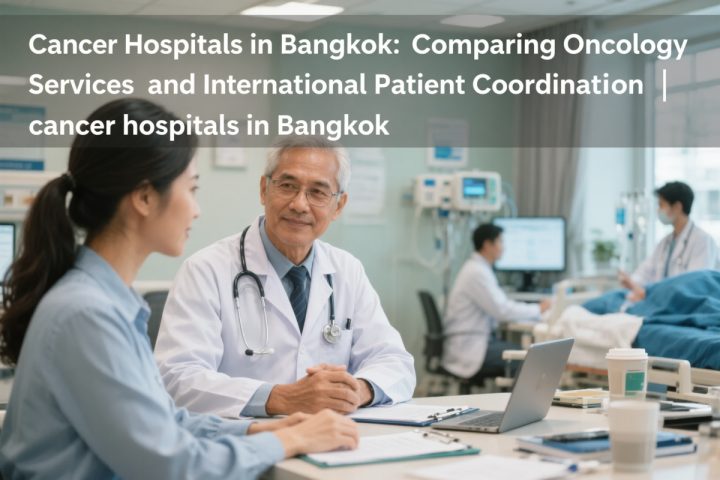
Understanding the Landscape of Cancer Hospitals in Bangkok
When facing a diagnosis of cancer, the immediate priority is finding a medical facility that combines world-class oncology expertise with compassionate, coordinated care. For international patients seeking alternatives to domestic treatment options or second opinions, cancer hospitals in Bangkok have emerged as a premier destination in Southeast Asia. These institutions are not merely local clinics but comprehensive medical centers equipped with state-of-the-art technology and staffed by physicians who often hold dual training in Thailand and Western nations. The decision to seek treatment abroad involves complex considerations regarding the quality of care, cost-effectiveness, language accessibility, and the logistical support provided to navigate a foreign healthcare system.
The reputation of cancer hospitals in Bangkok has grown significantly over the past two decades, driven by a strategic push from the Thai government to develop medical tourism as a key economic sector. This initiative has resulted in rigorous accreditation standards for private healthcare providers, ensuring that facilities meet international benchmarks for safety and clinical excellence. Patients arriving in the city are met with a healthcare ecosystem designed to handle the unique needs of international travelers, including dedicated international patient departments that manage everything from visa applications to airport transfers and post-treatment recovery accommodations. Understanding the specific strengths of these institutions is crucial for making an informed decision about where to proceed with life-saving treatment.
Selecting the right facility requires more than just looking at brand names; it demands a deep dive into the specific oncology services offered, the technological capabilities available for diagnosis and treatment, and the level of patient coordination provided. While public hospitals in Thailand offer high-quality care at lower costs, they often lack the specialized infrastructure and English-speaking support required for international patients. Consequently, the focus for global patients typically shifts toward the leading private cancer hospitals in Bangkok, which offer a seamless blend of advanced medical procedures and hospitality-driven patient services. This article provides a comprehensive comparison of these top-tier facilities, analyzing their oncology departments, treatment modalities, and the robust international patient coordination frameworks that make them viable options for global healthcare seekers.
Comparing Leading Oncology Centers: Technology and Treatment Modalities
The core differentiator among cancer hospitals in Bangkok lies in their investment in cutting-edge medical technology and the breadth of treatment modalities they offer. Modern oncology relies heavily on precision medicine, requiring sophisticated imaging, targeted radiation therapy, and advanced surgical techniques. Top-tier facilities in the city have invested billions of baht to acquire equipment such as Proton Beam Therapy systems, CyberKnife robotic radiosurgery units, and PET-CT scanners that provide real-time metabolic imaging. These technologies allow oncologists to target tumors with extreme accuracy while minimizing damage to surrounding healthy tissue, a critical factor in preserving the quality of life during and after treatment.
Bangkok’s leading hospitals distinguish themselves by offering a multidisciplinary approach to cancer care. Unlike smaller clinics where a patient might see a surgeon one day and a radiation specialist another without integrated communication, major cancer hospitals in Bangkok operate through tumor boards. These are regular meetings where surgeons, medical oncologists, radiation oncologists, pathologists, and radiologists review every case together to formulate a unified treatment plan. This collaborative environment ensures that the patient receives a holistic strategy that considers all aspects of their condition, rather than a fragmented series of isolated interventions. The availability of immunotherapy, CAR-T cell therapy, and targeted molecular therapies further positions these hospitals at the forefront of global cancer research and application.
For international patients, the choice often comes down to comparing the specific technological advantages of each hospital. Some facilities may specialize in robotic-assisted surgery for complex gastrointestinal cancers, while others may be renowned for their pediatric oncology programs or bone marrow transplantation units. It is essential for patients to verify that the specific technology required for their diagnosis is not only present but also operated by highly experienced teams. The presence of JCI (Joint Commission International) accreditation is a standard benchmark for many of these institutions, providing assurance that the cancer hospitals in Bangkok adhere to strict protocols for patient safety, infection control, and clinical outcomes. This technological parity with top US and European centers is a primary reason why patients travel thousands of miles to receive care in Thailand.
Advanced Radiation Therapy Options
Radiation therapy remains a cornerstone of cancer treatment, and the evolution of this field in Bangkok has been remarkable. Many cancer hospitals in Bangkok now offer Intensity-Modulated Radiation Therapy (IMRT) and Image-Guided Radiation Therapy (IGRT), which allow for dose painting and precise targeting of irregularly shaped tumors. Beyond these standard modalities, several leading centers have introduced Proton Beam Therapy, a form of particle therapy that uses protons instead of X-rays. This technology is particularly beneficial for treating cancers near sensitive organs, such as brain tumors, spinal cord lesions, and pediatric cancers, as it eliminates the exit dose that can damage healthy tissue. The availability of such specialized radiation treatments within the city makes Bangkok a competitive hub for patients who require these specific, high-precision interventions.
Surgical Precision and Robotic Systems
In the realm of surgical oncology, the integration of robotic systems has revolutionized the approach to complex cancer surgeries in Bangkok. Hospitals utilizing the da Vinci Surgical System or similar platforms enable surgeons to perform minimally invasive procedures with enhanced dexterity and 3D visualization. This results in smaller incisions, reduced blood loss, shorter hospital stays, and faster recovery times compared to traditional open surgery. For conditions such as prostate cancer, gynecological cancers, and head and neck malignancies, the precision offered by these robotic systems is a significant advantage. When evaluating cancer hospitals in Bangkok, prospective patients should inquire about the volume of robotic surgeries performed annually, as high procedural volumes correlate strongly with better surgical outcomes and fewer complications.
The Role of International Patient Coordination Services
One of the most significant challenges for international patients is navigating a foreign healthcare system, managing language barriers, and coordinating logistics across time zones. This is where the dedicated International Patient Departments (IPDs) of cancer hospitals in Bangkok play a pivotal role. These departments function as a single point of contact, acting as intermediaries between the patient and the medical team. From the moment a patient inquires via email or phone, the IPD team begins working to streamline the entire journey, ensuring that no detail is overlooked and that the transition from home country to treatment center is as smooth as possible.
The coordination process typically begins with a remote consultation. Patients can submit their medical records, pathology reports, and imaging scans to the hospital’s international office. Specialized case managers then review these documents and arrange a video conference with the relevant oncologist. This initial step allows the medical team to assess the patient’s condition, propose a preliminary treatment plan, and provide a detailed cost estimate before the patient ever leaves their home country. This transparency is vital for international travelers, as it eliminates the uncertainty of “arrival pricing” and allows patients to secure necessary funding or insurance approval in advance. The efficiency of this pre-arrival coordination is a defining characteristic of the best cancer hospitals in Bangkok.
Upon arrival, the patient experience is further managed by assigned case managers who accompany the patient throughout their stay. These coordinators assist with translation during doctor consultations, schedule appointments to minimize waiting times, and coordinate with family members back home. They also handle practical matters such as arranging accommodation near the hospital, organizing meals, and facilitating transportation to and from the airport. For patients undergoing long-term treatments like chemotherapy or radiation, which may span weeks or months, having a dedicated coordinator who understands both the medical requirements and the cultural nuances of the host country is invaluable. This level of service transforms what could be a stressful ordeal into a manageable and supported journey.
Language Support and Cultural Sensitivity
Effective communication is the backbone of successful cancer treatment, yet language barriers can lead to misunderstandings that compromise patient safety. Leading cancer hospitals in Bangkok employ multilingual staff fluent in English, Chinese, Russian, Arabic, Japanese, Korean, and other major languages. However, the support goes beyond simple translation; it involves cultural sensitivity training to ensure that medical explanations are delivered in a way that respects the patient’s background and beliefs. Case managers often act as cultural liaisons, helping patients understand Thai customs and explaining Thai medical practices to families who may be unfamiliar with them. This holistic approach to communication ensures that patients feel heard, understood, and respected throughout their treatment course.
Logistical and Travel Assistance
The logistical burden of traveling for medical treatment can be overwhelming, particularly for patients who are already physically compromised. The international patient departments of top cancer hospitals in Bangkok offer comprehensive travel assistance services. This includes help with visa applications, flight bookings, and ground transportation. Many hospitals have established partnerships with nearby hotels and serviced apartments, offering discounted rates and shuttle services for patients and their companions. Some facilities even provide “medical concierge” services that extend beyond the hospital walls, assisting with local sightseeing for family members who wish to visit or helping patients find familiar foods and religious spaces. By handling these non-medical details, the hospital allows the patient to focus entirely on their health and recovery.
Cost Analysis and Value Proposition for International Patients
Cost is frequently a primary driver for international patients considering cancer hospitals in Bangkok. While prices vary depending on the complexity of the cancer, the stage of the disease, and the specific treatment plan, the overall cost in Thailand is generally 40% to 60% lower than in the United States, Europe, or Australia. This price advantage does not come at the expense of quality; rather, it reflects lower operational costs, favorable exchange rates, and a competitive market among private healthcare providers. For self-pay patients or those with limited international insurance coverage, this cost differential can make life-saving treatment accessible that might otherwise be financially out of reach.
To illustrate the potential savings, it is helpful to compare the costs of common oncology procedures. A full course of radiation therapy, which can cost upwards of $50,000 in the US, may range from $15,000 to $25,000 in Bangkok. Similarly, complex robotic surgeries for cancers such as colon or rectal cancer can be performed for a fraction of the Western price tag. However, it is crucial to note that the final bill depends on individual factors, including the length of hospital stay, the type of implants used, and any complications that may arise. Most cancer hospitals in Bangkok provide upfront cost estimates based on the patient’s medical records, though patients should always budget for a contingency fund to cover unexpected expenses.
Insurance coverage for treatment in Thailand varies widely. While some international insurance plans include worldwide coverage, others may require pre-authorization or have limitations on treatment abroad. Many hospitals in Bangkok have direct billing agreements with major international insurance carriers, simplifying the payment process. For patients without direct coverage, many facilities offer financing options or payment plans to help manage the financial burden. Additionally, the cost of living in Bangkok is relatively low, meaning that the daily expenses for a patient and their companion—such as food, lodging, and local transport—are significantly lower than in major Western cities, further enhancing the overall value proposition of seeking treatment in Thailand.
Transparency in Pricing Structures
Transparency is a key component of the trust-building process between international patients and cancer hospitals in Bangkok. Reputable institutions provide itemized quotes that break down costs for consultations, diagnostic tests, surgery, anesthesia, medication, and hospitalization. This clarity helps patients avoid hidden fees and allows them to compare offers accurately between different facilities. While the lowest price is not always the best indicator of quality, a transparent pricing structure is a hallmark of professional and ethical medical practice. Patients are encouraged to ask detailed questions about what is included in the quoted price, such as whether follow-up visits, rehabilitation, or specific medications are covered, to ensure there are no surprises later.
Key Factors in Selecting the Right Facility
Selecting the appropriate cancer hospitals in Bangkok requires a careful evaluation of multiple factors beyond just cost and location. Patients must consider the specific expertise of the medical team, the success rates of the hospital for their particular type of cancer, and the availability of clinical trials. It is advisable to research the credentials of the oncologists, including their years of experience, board certifications, and participation in international medical associations. A physician who is actively involved in research and publishes findings in peer-reviewed journals is likely to be up-to-date with the latest treatment protocols and innovations.
- Hospital Accreditation: Look for JCI (Joint Commission International) accreditation, which indicates adherence to global standards for patient safety and quality of care.
- Specialization: Ensure the hospital has a dedicated department for your specific type of cancer, such as a breast center, neuro-oncology unit, or pediatric oncology ward.
- Multidisciplinary Teams: Verify that the hospital utilizes tumor boards where specialists collaborate on treatment planning.
- Patient Reviews: Read testimonials from previous international patients to gauge the quality of service and patient satisfaction.
- Technology Availability: Confirm that the hospital possesses the specific equipment needed for your treatment, such as proton beam therapy or robotic surgery systems.
The emotional aspect of choosing a hospital cannot be overstated. Patients should feel comfortable with their medical team and confident in the hospital’s ability to support them through the physical and emotional challenges of cancer treatment. Many cancer hospitals in Bangkok offer psychological counseling and support groups as part of their holistic care package. Taking the time to schedule a video consultation with the proposed doctor can help establish a rapport and assess whether the physician’s communication style and approach align with the patient’s expectations. Ultimately, the right hospital is one that combines medical excellence with genuine compassion and a commitment to the patient’s well-being.
A Comparative Overview of Top Facilities
While there are numerous hospitals in Bangkok, a select few stand out due to their extensive oncology programs and international reputation. The following table provides a comparative overview of some of the most prominent cancer hospitals in Bangkok, highlighting their key strengths, notable technologies, and general areas of specialization. This comparison is intended to guide patients in narrowing down their options based on their specific medical needs and preferences.
| Hospital Name | Key Strengths & Specializations | Notable Technologies | International Patient Focus |
|---|---|---|---|
| Bumrungrad International Hospital | Comprehensive cancer center with high-volume cases; strong focus on preventive care and early detection. | Proton Beam Therapy, CyberKnife, da Vinci Xi Robot. | Highly developed IPD with 24/7 support and extensive insurance networks. |
| Bangkok Hospital | Largest private hospital network; specialized centers for various cancer types including pediatric oncology. | IMRT/IGRT, PET-CT, Robotic Surgery. | Dedicated international division with multilingual staff and global partner networks. |
| Siriraj Hospital (Piyavate) | Academic medical center with strong research ties; excellent for complex and rare cancers. | Advanced Imaging, Molecular Diagnostics, Clinical Trials access. | Experienced in handling complex international referrals and academic collaborations. |
| Samitivej Sukhumvit Hospital | Known for personalized care and luxury amenities; strong oncology and cardiology integration. | Proton Therapy, Stereotactic Radiosurgery. | Focus on patient comfort with VIP suites and comprehensive concierge services. |
| Bangkok Heart Hospital / BNH | Historic reputation; strong in thoracic oncology and general surgery. | Robotic Thoracic Surgery, Advanced Radiotherapy. | Long-standing experience with expatriates and international patients. |
This table serves as a starting point for research, but it is important to remember that the “best” hospital is subjective and depends on the individual patient’s diagnosis. For instance, a patient with a rare pediatric cancer might prioritize a hospital with a dedicated children’s center, while a patient seeking a second opinion on a complex lymphoma might prefer an academic institution with active clinical trials. The decision-making process should involve a thorough review of these factors in consultation with a trusted medical advisor or case manager.
The Patient Journey: From Diagnosis to Recovery
The journey of a patient seeking treatment at cancer hospitals in Bangkok follows a structured pathway designed to maximize efficiency and comfort. Upon arrival, the first step is usually a comprehensive medical assessment, which may include a review of existing records and new diagnostic tests if necessary. Once the diagnosis is confirmed, the multidisciplinary team convenes to discuss the case and finalize the treatment plan. This collaborative approach ensures that the patient receives a consensus-based recommendation rather than a single specialist’s opinion.
- Pre-Arrival Consultation: Submission of medical records and remote discussion with the oncologist.
- Visa and Travel Arrangements: Assistance with medical visas and booking flights/accommodation.
- Initial Assessment: Physical examination and confirmation of diagnosis upon arrival.
- Treatment Planning: Multidisciplinary tumor board meeting to finalize the care plan.
- Treatment Execution: Administration of surgery, chemotherapy, or radiation therapy.
- Recovery and Monitoring: Post-treatment care, wound management, and monitoring for side effects.
- Discharge Planning: Coordination of follow-up care and preparation for return home.
During the treatment phase, patients are kept informed at every step. The case manager acts as the primary liaison, ensuring that the patient understands the procedure, the expected timeline, and any potential risks. After the completion of active treatment, the focus shifts to recovery and rehabilitation. Many cancer hospitals in Bangkok offer rehabilitation services, including physiotherapy and nutritional counseling, to help patients regain strength and improve their quality of life. Long-term follow-up is also a priority, with arrangements made for remote monitoring and telemedicine consultations to ensure continuity of care once the patient returns to their home country.
Frequently Asked Questions
What is the typical cost of cancer treatment in Bangkok compared to the US?
Treatment costs for cancer in Bangkok are generally 40% to 60% lower than in the United States. For example, a full course of radiation therapy may cost between $15,000 and $25,000 in Thailand, whereas the same treatment in the US can exceed $50,000. Surgical procedures and chemotherapy regimens also follow a similar cost reduction pattern. However, exact costs depend on the specific hospital, the complexity of the case, and the duration of the stay. Most cancer hospitals in Bangkok provide detailed upfront estimates to ensure transparency.
Do I need a visa to receive cancer treatment in Thailand?
Yes, international patients typically require a Non-Immigrant O-A or O-B visa for medical treatment. Most reputable cancer hospitals in Bangkok have dedicated international patient departments that assist with the visa application process. They can provide the necessary invitation letters and medical documentation required by the Thai embassy or consulate in your home country. Some patients may also be eligible for a Medical Visa extension if their treatment requires a prolonged stay.
Are the doctors at Bangkok hospitals internationally trained?
Many oncologists practicing in leading cancer hospitals in Bangkok have received advanced training and fellowships in the United States, Europe, or other Asian countries. They are often members of international medical associations and stay updated with global treatment protocols. When contacting a hospital, you can request information about the specific credentials and training background of the oncologist who will be treating your case.
How do I choose the right hospital for my specific type of cancer?
Choosing the right facility involves researching the hospital’s specialization in your specific cancer type, the experience of the medical team, and the availability of advanced technologies. It is advisable to consult with the hospital’s international patient department, share your medical records, and request a consultation with the relevant specialist. Comparing the treatment plans and recommendations from multiple top-tier hospitals can help you make an informed decision.
Is there support for family members accompanying the patient?
Yes, most cancer hospitals in Bangkok recognize the importance of family support. International patient departments often assist in arranging accommodation for companions, providing meal vouchers, and offering guidance on local attractions. Some hospitals have dedicated guest houses or partnerships with nearby hotels specifically for patient families. Additionally, counselors are often available to support both the patient and their family through the emotional challenges of the treatment journey.
Sources
- Joint Commission International (JCI) – Healthcare Accreditation
- Ministry of Public Health, Thailand – Department of Medical Sciences
- Bumrungrad International Hospital – Official Website
- Bangkok Hospital – Official Website
- Siriraj Hospital – Mahidol University
- Samitivej Hospitals – Official Website
- Tourism Authority of Thailand – Medical Tourism
- World Health Organization – Global Cancer Observatory