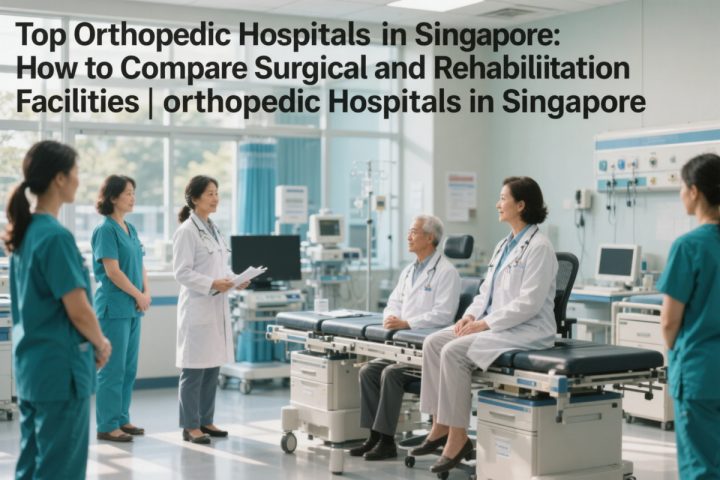
Understanding the Landscape of Orthopedic Care in Singapore
When facing a complex bone fracture, severe joint degeneration, or a sports-related injury, selecting the right medical facility is often as critical as the surgical procedure itself. For patients navigating the healthcare system, identifying the top orthopedic hospitals in Singapore requires a deep understanding of both surgical excellence and post-operative rehabilitation capabilities. The decision-making process extends beyond simple proximity to the hospital; it involves evaluating specialized departments, surgeon expertise, technological infrastructure, and the continuity of care from the operating room to full recovery.
Singapore has established itself as a premier medical hub in Asia, attracting international patients seeking high-quality orthopedic treatments at competitive costs compared to Western nations. However, this reputation also means that the local market is diverse, with a mix of public institutions offering subsidized care and private facilities renowned for luxury and cutting-edge technology. Understanding the nuances between these different types of facilities is essential for making an informed choice. Whether you are a local resident planning for elective surgery like a knee replacement or an international patient requiring spinal stabilization, the criteria for choosing the right hospital must be rigorous.
The scope of orthopedic care encompasses a wide range of conditions affecting the musculoskeletal system, including arthritis, fractures, ligament tears, and congenital deformities. In Singapore, leading orthopedic hospitals in Singapore have developed specialized centers dedicated to specific areas such as sports medicine, spine surgery, hand surgery, and joint reconstruction. These specialized units ensure that patients receive care from multidisciplinary teams comprising orthopedic surgeons, physiotherapists, radiologists, and pain management specialists who work in unison to optimize outcomes. The integration of advanced surgical robotics and minimally invasive techniques has further elevated the standard of care, reducing recovery times and improving long-term functional results.
Furthermore, the distinction between acute surgical care and long-term rehabilitation is a crucial factor when comparing facilities. A hospital may boast world-class surgeons but lack comprehensive on-site rehabilitation services, forcing patients to transfer to a separate center. This fragmentation can disrupt the recovery trajectory. Therefore, the most effective approach to selecting a facility involves looking for institutions that offer a seamless continuum of care. Patients must evaluate whether the hospital provides integrated physiotherapy, occupational therapy, and specialized rehabilitation programs designed specifically for orthopedic recovery. This holistic approach ensures that the physical gains made during surgery are preserved and enhanced through structured post-operative protocols.
Key Criteria for Evaluating Surgical Excellence and Facility Standards
When assessing potential providers among the top orthopedic hospitals in Singapore, the primary focus should be on the qualifications of the surgical team and the technological capabilities of the operating environment. Experience matters significantly in orthopedic surgery, where precision determines the longevity of implants and the success of the procedure. Patients should investigate the volume of specific surgeries performed by the attending surgeon annually. High-volume surgeons typically demonstrate better proficiency and lower complication rates due to their repetitive exposure to complex cases. Additionally, the credentials of the medical staff, including fellowships in subspecialties like arthroplasty or trauma, serve as strong indicators of expertise.
Beyond the human element, the technological infrastructure of the hospital plays a pivotal role in modern orthopedic care. Leading facilities invest heavily in state-of-the-art imaging systems, such as 3D CT scanners and intraoperative navigation systems, which allow for precise pre-surgical planning and real-time guidance during procedures. The adoption of robotic-assisted surgery is another hallmark of top-tier orthopedic hospitals in Singapore. Robotic systems enable surgeons to perform complex joint replacements with millimeter-level accuracy, ensuring optimal alignment of prosthetics and minimizing tissue damage. This level of precision can lead to faster recovery times and improved patient satisfaction scores.
Infection control and safety protocols are non-negotiable standards that must be scrutinized before committing to a facility. Orthopedic surgeries involving implants carry a risk of infection, which can be devastating if not managed effectively. Reputable hospitals maintain strict sterilization protocols, utilize advanced air filtration systems in operating theaters, and adhere to international accreditation standards such as those set by the Joint Commission International (JCI). Accreditation serves as a third-party validation of the hospital’s commitment to quality and safety, providing patients with confidence in the care they will receive. It is advisable to verify the accreditation status of any hospital under consideration.
- Surgeon Volume and Specialization: Verify the number of specific procedures performed annually and check for subspecialty certifications.
- Technological Integration: Look for facilities equipped with robotic surgery arms, intraoperative navigation, and advanced imaging modalities.
- Accreditation Status: Ensure the hospital holds recognized international accreditations like JCI or ISO certifications.
- Infection Control Protocols: Review the hospital’s history regarding surgical site infections and their adherence to sterile protocols.
Comparing Public vs. Private Healthcare Options
A significant decision point for patients considering orthopedic hospitals in Singapore is choosing between the public and private sectors. Each sector offers distinct advantages and trade-offs regarding cost, wait times, and the level of personalization in care. Public hospitals, such as Singapore General Hospital (SGH) and National University Hospital (NUH), are government-funded institutions known for their extensive experience in handling complex trauma cases and high-volume joint replacements. They often employ some of the most renowned academic surgeons in the country who are deeply involved in research and teaching.
The primary advantage of public hospitals lies in their cost-effectiveness, particularly for Singapore citizens and permanent residents who benefit from substantial government subsidies. These facilities are well-equipped to handle emergencies and complex multi-system injuries, making them ideal for trauma cases. However, the trade-off often involves longer waiting lists for elective procedures and less flexibility in scheduling. Patient rooms may be shared, and the overall experience might feel more institutional compared to private settings. Despite these factors, the clinical expertise available in public hospitals remains world-class, and many patients choose them for the assurance of expert care at a subsidized rate.
In contrast, private hospitals like Mount Elizabeth, Gleneagles, and Parkway Pantai offer a premium experience characterized by shorter wait times, private accommodation, and greater flexibility in choosing your surgeon. These facilities are often preferred by international patients and locals seeking convenience and comfort. The private sector frequently leads in adopting the latest commercial technologies and offering personalized care plans. While the out-of-pocket costs are higher, many patients find the value proposition justified by the reduced anxiety associated with shorter waits and the ability to tailor the treatment timeline to their needs. Insurance coverage also plays a larger role in private care, with many policies designed specifically to cover private hospital stays.
Another dimension to consider is the continuity of care within the private sector. Many private hospitals have established partnerships with rehabilitation centers or operate their own dedicated rehab wings. This integration allows for a smoother transition from surgery to recovery, which is critical for orthopedic patients. Public hospitals, while excellent, sometimes require patients to navigate external community rehabilitation centers after discharge. When evaluating orthopedic hospitals in Singapore, patients must weigh their financial situation, urgency of the condition, and preference for privacy against the benefits of public funding and academic rigor.
The Critical Role of Rehabilitation and Recovery Programs
One of the most overlooked yet vital aspects of orthopedic care is the rehabilitation phase. Successful surgery is only half the battle; the restoration of function relies heavily on the quality of the post-operative rehabilitation program. Top orthopedic hospitals in Singapore recognize this and increasingly integrate comprehensive rehabilitation services directly into their facilities. This integration ensures that therapy begins immediately after surgery, often within 24 hours, under the direct supervision of the surgical team. Early mobilization is key to preventing complications such as blood clots, muscle atrophy, and joint stiffness.
Comprehensive rehabilitation programs go beyond basic physiotherapy exercises. They encompass a multidisciplinary approach involving physiotherapists, occupational therapists, and sometimes psychologists to address the emotional impact of injury and surgery. For patients undergoing major joint replacements or spinal surgeries, customized protocols are designed to restore range of motion, build strength, and retrain gait patterns. Advanced facilities may utilize hydrotherapy pools, robotic gait trainers, and virtual reality tools to enhance the therapeutic experience and accelerate recovery. The availability of these specialized resources is a strong differentiator among leading hospitals.
The structure of the rehabilitation program is another factor to consider. Some hospitals offer inpatient rehabilitation, where patients stay in a specialized ward for several weeks focusing solely on recovery. This model is beneficial for elderly patients or those with complex comorbidities who require intensive monitoring and support. Other facilities emphasize outpatient rehabilitation, allowing patients to return home sooner while attending scheduled therapy sessions. The best approach depends on the individual patient’s age, home support system, and the nature of the surgery. Patients should inquire about the ratio of therapists to patients and the specific qualifications of the rehabilitation staff.
- Immediate Post-Op Mobilization: Check if the hospital initiates physical therapy within the first day after surgery.
- Multidisciplinary Team: Ensure access to physiotherapists, occupational therapists, and pain management specialists.
- Specialized Equipment: Look for facilities with hydrotherapy, robotic gait training, and advanced modalities.
- Program Customization: Verify that rehabilitation plans are tailored to the specific surgery and patient goals.
- Long-Term Support: Assess the availability of follow-up care and community-based rehabilitation options.
Cost Structures and Insurance Coverage Considerations
Financial planning is an integral part of the decision-making process for anyone seeking treatment at orthopedic hospitals in Singapore. Costs can vary significantly depending on the type of surgery, the choice of implant, the length of hospital stay, and whether the patient chooses a public or private facility. In the private sector, a total knee replacement can range widely based on the surgeon’s fee and the complexity of the case. It is essential for patients to obtain a detailed breakdown of costs, including surgeon fees, anesthesia, hospital charges, and implant costs, before proceeding.
Insurance coverage is a major determinant of affordability for private hospital care. Most comprehensive health insurance plans in Singapore provide coverage for orthopedic surgeries, but the extent of coverage varies. Policyholders need to understand their deductible limits, co-insurance percentages, and annual caps. Some plans may exclude certain high-cost implants or limit the number of days covered for rehabilitation. Pre-authorization is typically required, and patients should work closely with their insurance provider to ensure all anticipated expenses are covered. Without proper verification, patients may face unexpected out-of-pocket expenses that can be financially burdensome.
For those without comprehensive insurance or those opting for public hospitals, government subsidies play a crucial role in managing costs. Singapore citizens and permanent residents are eligible for subsidies that can reduce the bill by a significant percentage. However, these subsidies are tiered based on the class of ward chosen (A, B1, B2, C), with higher classes receiving lower subsidies. International patients generally do not qualify for these subsidies and must pay full rates, although some hospitals offer package deals for medical tourism. Understanding the subsidy framework helps patients make realistic budget projections.
Additionally, the cost of rehabilitation should not be overlooked. While some hospitals include initial physiotherapy in their surgical package, extended outpatient therapy or inpatient rehabilitation can incur additional daily charges. Patients should clarify what is included in the initial quote and what constitutes extra billing. Transparency in pricing is a hallmark of reputable orthopedic hospitals in Singapore. A trustworthy institution will provide a clear estimate upfront and explain any variables that could alter the final cost, ensuring there are no financial surprises during the recovery period.
Facility Comparison: Key Features and Capabilities
To assist in the selection process, it is helpful to compare the core features of leading facilities. The following table outlines key differentiators across major public and private institutions, focusing on areas relevant to orthopedic care. This comparison highlights the strengths of each category, helping patients align their needs with the appropriate facility type.
| Feature | Public Hospitals (e.g., SGH, NUH) | Private Hospitals (e.g., Mount Elizabeth, Gleneagles) |
|---|---|---|
| Primary Focus | High-volume trauma, complex academic cases, research-driven care. | Elective surgeries, premium patient experience, rapid access. |
| Wait Times (Elective) | Longer (weeks to months). | Short (days to weeks). |
| Cost & Subsidies | Subsidized for citizens/PRs; lower out-of-pocket. | Full cost; dependent on insurance coverage. |
| Room Accommodation | Shared wards (B2/C) or limited private options. | Dedicated private suites available. |
| Technology & Robotics | Advanced, often used in research trials. | Latest commercial tech, immediate availability. |
| Rehabilitation Integration | Strong internal programs; may refer externally for long-term. | Frequently fully integrated in-house or partner networks. |
| Surgeon Choice | Assigned based on department; some flexibility. | High flexibility to choose specific consultant. |
Navigating the Admissions and Treatment Process
Once a patient has selected a suitable orthopedic hospital in Singapore, understanding the admission and treatment workflow is essential for a smooth journey. The process typically begins with a consultation where the surgeon reviews medical history, imaging scans, and discusses treatment options. During this stage, patients should ask detailed questions about the proposed procedure, alternative treatments, and expected outcomes. If surgery is recommended, the hospital will schedule a pre-admission assessment to evaluate overall health and optimize any underlying conditions to minimize surgical risks.
Pre-operative preparation is a collaborative effort between the patient and the medical team. This may involve blood tests, ECGs, and consultations with anesthetists. Patients are often advised to stop certain medications, such as blood thinners, prior to surgery. The hospital will also provide instructions on fasting and hygiene. On the day of admission, the patient is checked in, and the surgical team confirms the procedure details. Modern hospitals strive to make this process efficient, with dedicated case managers guiding patients through the administrative and logistical steps.
Post-surgery, the focus shifts to recovery and discharge planning. The medical team monitors vital signs, manages pain, and initiates early mobilization. Discharge planning begins early in the hospital stay to ensure that the patient has a safe environment to recover at home. This includes arranging for home nursing if necessary, coordinating equipment delivery like wheelchairs or walkers, and scheduling follow-up appointments. For patients traveling from abroad, hospitals often provide assistance with travel arrangements and post-discharge care coordination, ensuring a seamless transition back to their home location.
Frequently Asked Questions
What is the typical waiting time for orthopedic surgery in Singapore?
Waiting times vary significantly between public and private sectors. In public hospitals, elective procedures like knee or hip replacements may have waiting periods ranging from several weeks to a few months, depending on the urgency and bed availability. Private hospitals generally offer much shorter wait times, often scheduling surgeries within a few days to two weeks. Trauma cases in both sectors are prioritized and treated immediately regardless of the facility type.
Are orthopedic implants covered by insurance in Singapore?
Most comprehensive health insurance plans in Singapore cover the cost of orthopedic implants, but policy limits and exclusions apply. Some plans may cap the reimbursement amount for specific implants or require the use of approved brands. It is crucial to review your policy documents and obtain pre-authorization from your insurer before the procedure to avoid unexpected out-of-pocket expenses.
Can I choose my surgeon in a public hospital?
In public hospitals, patients usually cannot freely choose a specific surgeon for elective procedures unless they opt for a private wing within the public hospital. Surgeons are assigned based on departmental allocation and availability. However, for private hospitals, patients have the freedom to select their preferred consultant surgeon, provided the surgeon is affiliated with that facility.
How long does rehabilitation typically last after joint replacement?
Rehabilitation duration depends on the individual and the type of surgery. Generally, patients undergo intensive physiotherapy for the first six weeks post-surgery. Full recovery and return to normal activities can take anywhere from three to six months for joint replacements. Some patients may require ongoing maintenance therapy for up to a year to achieve optimal function.
Do top orthopedic hospitals in Singapore offer medical tourism packages?
Yes, many leading private hospitals in Singapore cater to international patients with specialized medical tourism packages. These packages often include airport transfers, accommodation assistance, visa support, interpreters, and coordinated care from consultation to discharge. They are designed to simplify the logistics for international travelers seeking high-quality orthopedic care.
Sources
- Ministry of Health Singapore – Healthcare Facilities
- Singapore General Hospital – Orthopaedic Surgery
- National University Hospital – Department of Orthopaedic Surgery
- Mount Elizabeth Hospital – Orthopaedic Centre
- Joint Commission International – Accredited Hospitals
- SingHealth – Orthopaedic Services
- Caregivers Alliance Singapore – Rehabilitation Resources